

Audio By Carbonatix
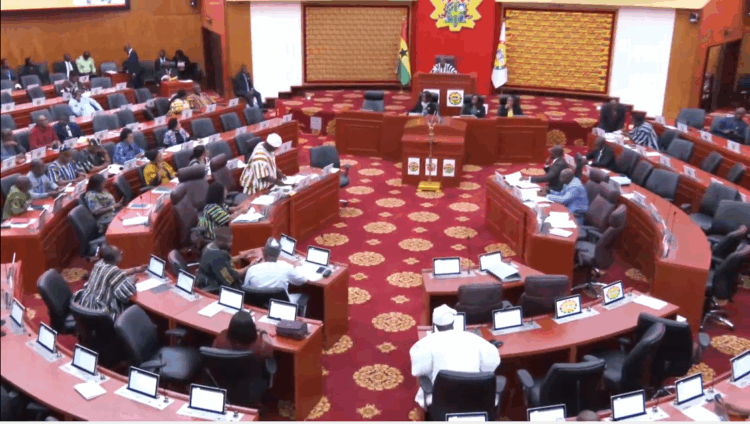
A proposed Security and Intelligence Agencies Bill triggered heated exchanges in Parliament, as the government moves to restructure Ghana’s national security architecture and change the name of the National Investigations Bureau (NIB) back to Bureau of National Intelligence (BNI).
The bill, laid before Parliament by the Minister for the Interior, Muntaka Mohammed-Mubarak, on Thursday, February 19, seeks to address what the government describes as public confusion between the National Investigations Bureau (NIB) and the National Investment Bank, which share the same acronym.
Under the proposed law, the intelligence agency will revert to the name Bureau of National Intelligence (BNI), distinct from its former historical title, Bureau of National Investigation.
The bill also proposes a major restructuring of national security governance by scrapping the Ministry for National Security, with oversight functions to be exercised through the Presidency.
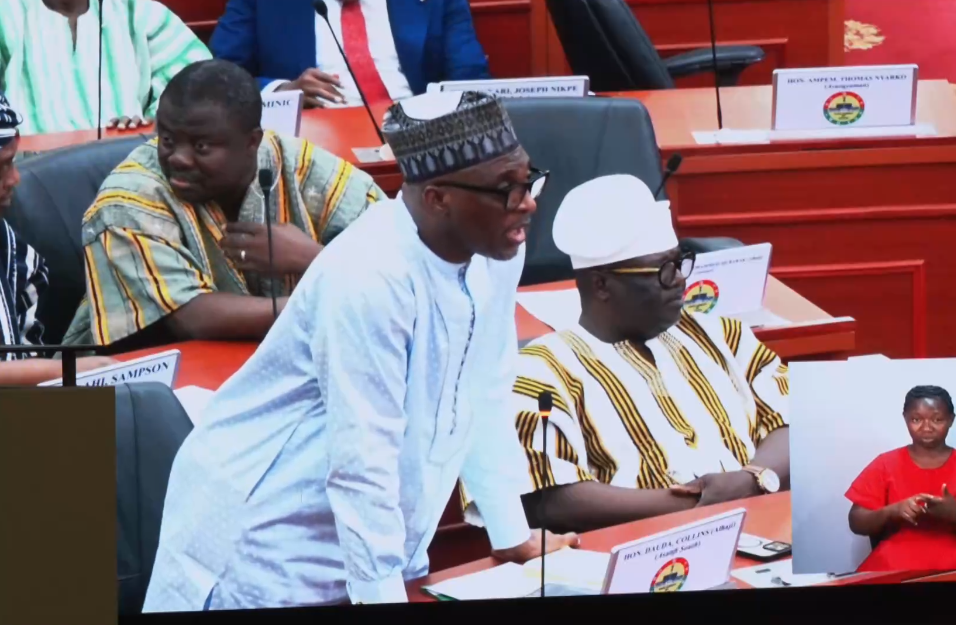
Presenting the bill, Mr. Mohammed-Mubarak argued that the reforms are necessary to streamline coordination and avoid institutional conflicts.
“Unfortunately, we have a situation where you say NIB, people are wondering whether you are talking about the bank or the security agency. So one of the significant things we are trying to do is to reintroduce the name BNI… Bureau of National Intelligence,” he said.
He added that the new structure is intended to prevent conflict between a Minister for National Security and the National Security Coordinator, stressing that coordination should be firmly anchored under the President with ministerial oversight rather than a standalone ministry.
However, the proposals immediately drew strong opposition from the Minority, who described the bill as flawed, overly centralising power, and lacking safeguards.
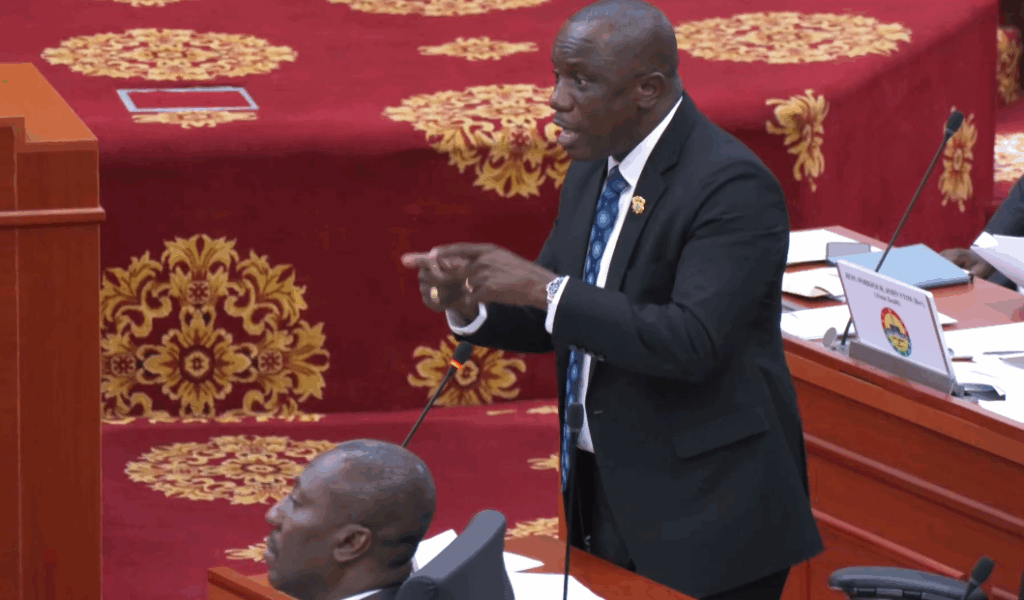
Former Defence Minister, Dominic Nitiwul, questioned the policy rationale behind the reforms, warning that the changes could create instability and weaken accountability.
“If in four years you are no more in power, are we expecting a new government to also bring a new Act to reflect their direction?” he asked.
“It will be dangerous for this nation to make that office and agency so powerful without proper accountability. It’s a misplaced priority, and if you do that, you’ll suffer.”
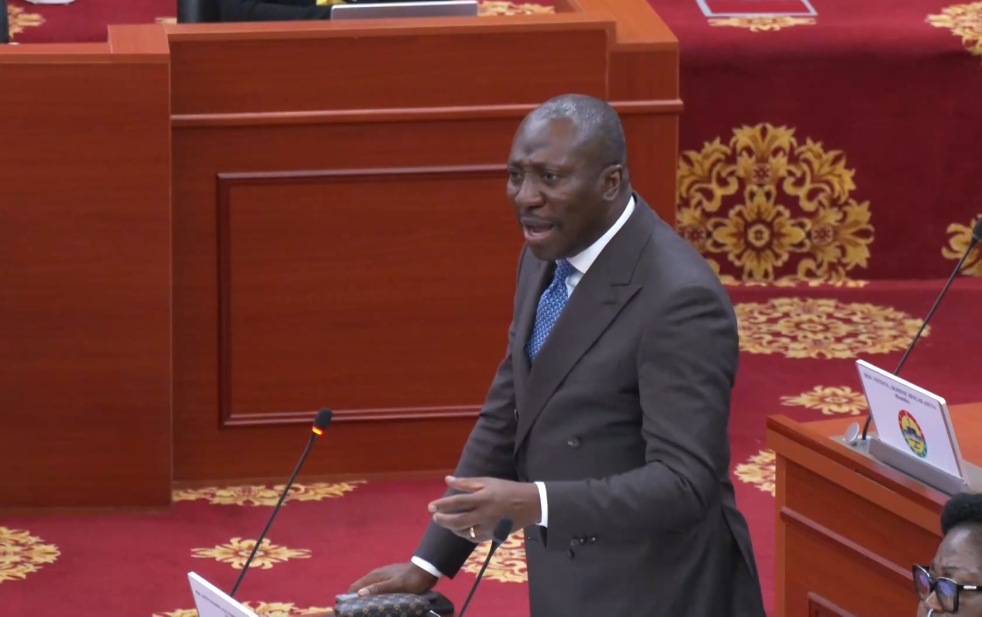
Minority Leader Alexander Afenyo-Markin also rejected the bill, arguing that it is politically motivated rather than driven by evidence-based governance.
“The memorandum before us does not provide any empirical evidence to suggest that Act 1030 has failed,” he said.
“So much power is being given to the coordinator, and it is not clear how his powers are going to be fettered.
"Without clear responsibility, accountability and oversight, this becomes problematic. When citizens’ rights are abused, it will be justified in the name of national security.”
He called for further consultations and amendments to incorporate concerns raised by the Minority.
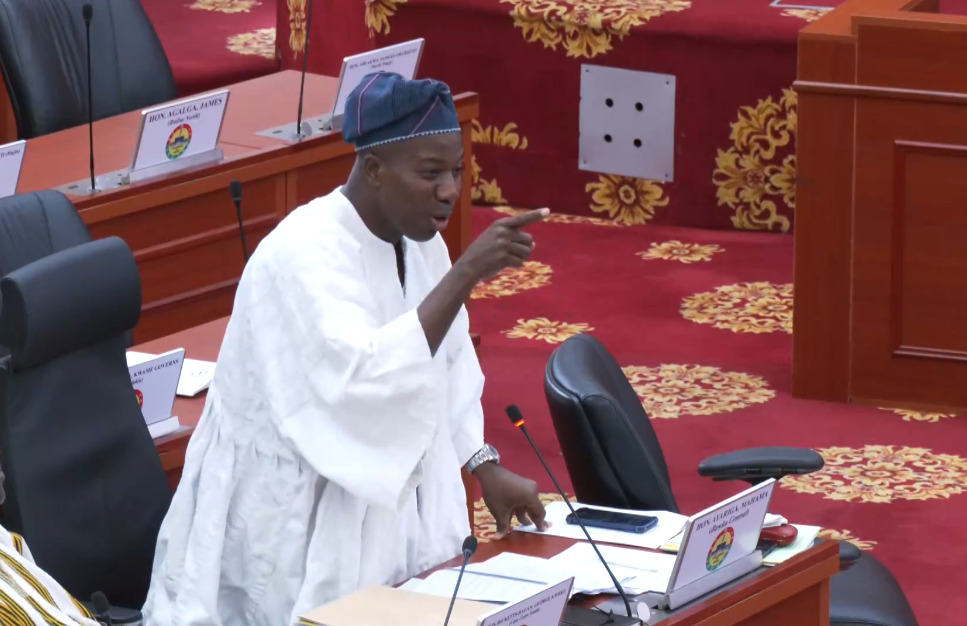
Responding to the criticism, the Majority Leader, Mahama Ayariga, defended the bill, describing it as a correction of what he termed a “historical wrong” created by the previous administration.
“We decided to cut down the number of ministers, and among the ministries we guillotined was the Ministry for National Security,” he said.
“What you [NPP] did was to force the hand of a President to appoint a Minister for National Security. It was a wrong thing for us to have done as a Parliament, and this historical wrong has to be corrected.”
Latest Stories
-
Ecobank Junior Saver Big Pitch to reward 10 winners with GH¢2,000 each
13 seconds -
AMA demolishes unauthorised pigsty obstructing Agbogbloshie waste evacuation exercise
30 seconds -
I was filled with disbelief – Akosua Achia Sarpong Esq. shares her first reaction
1 minute -
Snake Village: A look at Volta Region’s hidden snake village and its tourism potential (Video)
8 minutes -
Election Watch Ghana calls for constitutional reforms to strengthen Electoral Commission independence
11 minutes -
NACOC, Postal and Courier Services Regulatory Commission intensify efforts to curb drug trafficking
12 minutes -
Ga Mantse chairs committee to drive Accra Green and Clean City Initiative
14 minutes -
Drivers threaten to remove traders from lorry stations over TrafficTech concerns
17 minutes -
AI could create 10 to 20 times more jobs despite current recruitment slowdown – Hubtel CEO
19 minutes -
Sexual abuse in schools persists because perpetrators are not held accountable – Dr Nyarkoa
27 minutes -
Chief Justice has designated Achimota Court to handle petroleum diversion cases – NPA CEO
30 minutes -
Philip Nai and friends gear up for bigger seventh Christmas outreach
31 minutes -
GSA strengthens electricity meter testing to protect consumers and improve energy reliability
32 minutes -
‘Dismissed or suspended? Ghanaians deserve clarity’ – NPP demands clarity on Ampofo Ankrah’s fate
36 minutes -
Teach consent and sexual boundaries from pre-school to prevent abuse – Gender advocate
41 minutes