

Audio By Carbonatix
STAR-Ghana Foundation has renewed calls for volunteerism to be placed at the centre of Ghana’s national development agenda, describing it as a sustainable tool for strengthening governance, community development, and citizen participation.
The national non-profit organisation, which promotes inclusive development through active citizenship and local philanthropy, believes informed, engaged, and empowered citizens can drive meaningful change in governance and public service delivery.
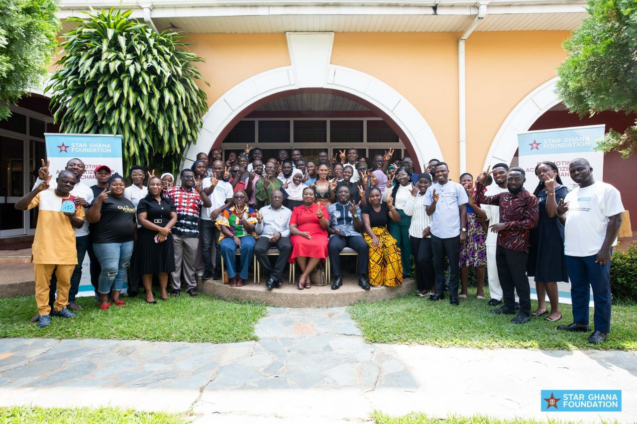
The appeal was made during a two-day programme that brought together Civil Society Organisations (CSOs), volunteers, and other stakeholders to deliberate on volunteerism and strategies to ensure that all voices, particularly those of marginalised groups and communities, are reflected in decisions affecting their lives.
Currently, STAR-Ghana Foundation works directly with 18 CSO partners across 10 regions, who in turn collaborate with community-based organisations. The Foundation says it intends to expand its partnerships beyond the current number while deepening grassroots participation.
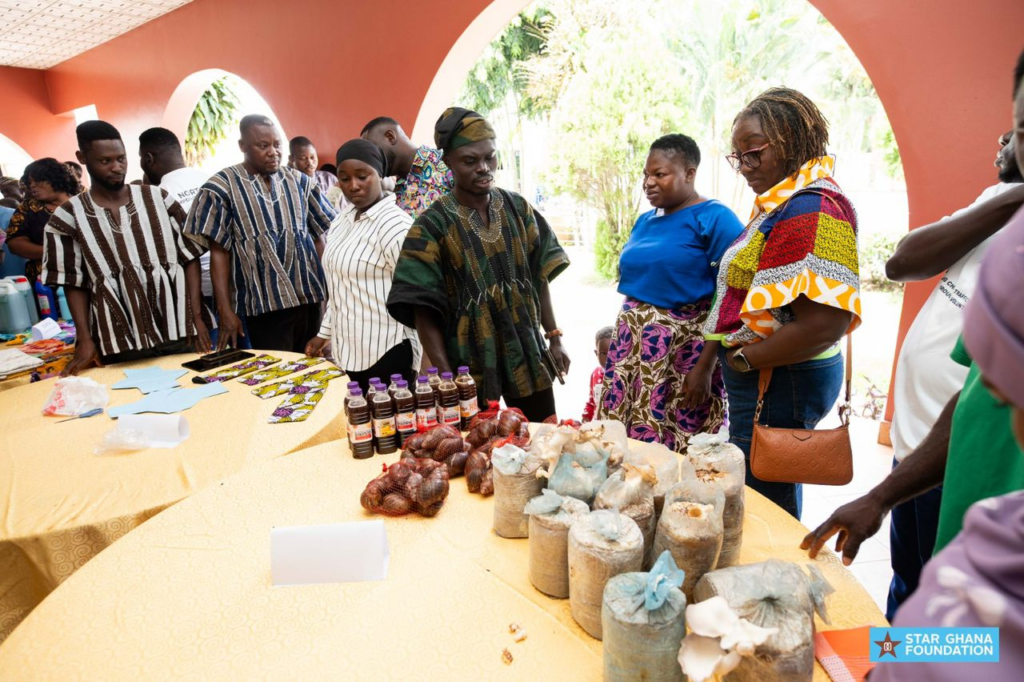
The programme also marked the culmination of an 18-month volunteerism project implemented in 91 communities across the country.
Executive Director of STAR-Ghana Foundation, Ibrahim Tanko-Amidu, said volunteerism presents a sustainable path for Ghana’s development and should be integrated into the country’s workforce planning.
“Volunteerism offers a sustainable way forward for this country, and we need to make efforts to make it the center of national development. Workforce: they provide a resource, whether we’re talking of young people or retired people, they’re there, and we need to mobilise them,” he said.
Mr. Tanko noted that volunteerism has long been embedded in Ghanaian culture and community development, adding that the project was designed to mobilise local resources rather than depend solely on external donors.
According to him, funding community initiatives should also involve district assemblies, private sector institutions, and community members through local philanthropy.
Touching on youth participation, he observed that many young people have become disengaged from volunteerism due to unemployment and dissatisfaction with democratic outcomes.
“There are a lot of things around youth disengagement; most of them are not seeing the dividends from democracy and decentralisation. We have voted over and over; we’re not seeing anything better to quote them, so they really don’t see the point in getting involved or even in voting. And a high level of youth employment, because they’re spending their time looking for employment and job opportunities and setting up livelihoods,” he said.
“Our culture does not empower young people. And also we’re not creating opportunities for young people to get involved in the past,” he added.
Despite the project’s relatively short implementation period and limited funding, Mr. Tanko said it has delivered significant impact by mobilising communities, renewing interest in community participation, and deploying volunteers to address challenges in health, education, social accountability, and local governance.
Project Officer of the Volunteer Project, Allswell Hooper-Garbrah, encouraged especially young people to embrace volunteerism and recognize the resources available within their own communities.
“Throughout the implementation period, we have realised that our support has enabled communities to identify resources, and it's not just about physical cash; there are resources in various forms, in groups, communities, and individual capacity. So for them to be able to know that this is a resource I can be able to leverage to help my community, that alone is enough,” she said.
Program Advisor at NORSAAC, Mohammed Sumaila, also highlighted the positive outcomes of the volunteerism initiative and urged stakeholders to support efforts aimed at reviving the culture across the country.
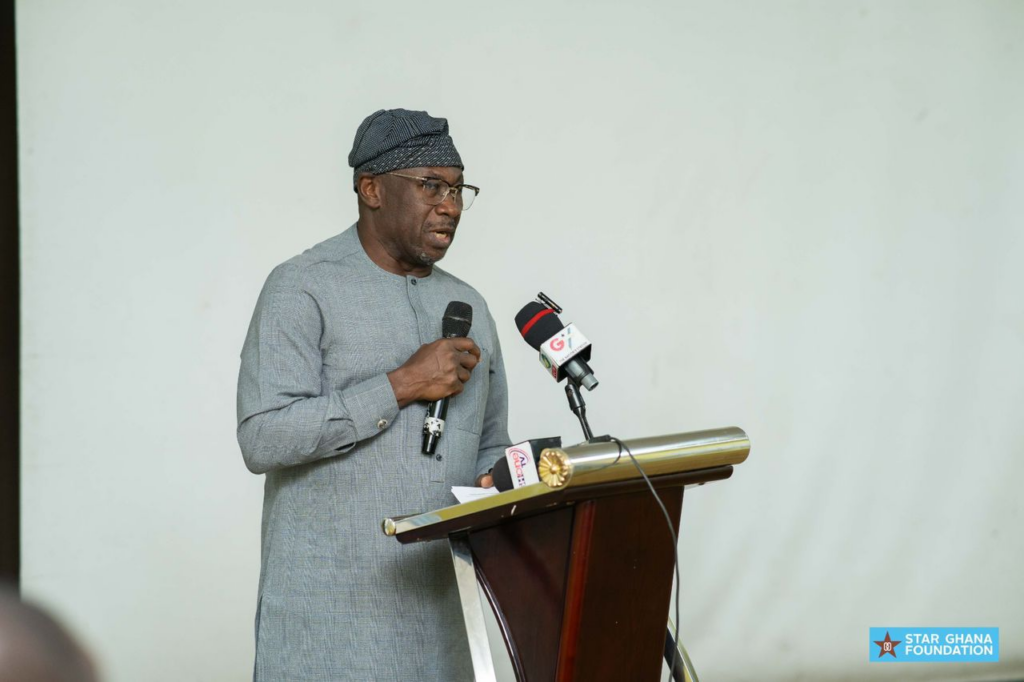
“With this particular opportunity, I call on stakeholders to come on deck to be able to support the culture of volunteerism so that our communities can come out in their numbers to ensure that the spirit is being brought back to our communities. Volunteerism is not limited to people who are unskilled but also skilled people, too,” he said.
The Foundation says the volunteerism initiative has so far reached 91 communities within 18 months, demonstrating the potential of citizen-led action in advancing inclusive and sustainable community development.
Latest Stories
-
Ghana’s BRICS move requires clear strategy to manage risks – Godfred Bokpin
29 minutes -
Pay teachers realistic income – Duncan Amoah to gov’t
45 minutes -
Bechem to become chicken capital of Ghana – Mahama projects
47 minutes -
Gov’t targets recruitment of 16,500 health professionals in 2026
1 hour -
Two-week strike will not derail academic calendar – GNAT President
1 hour -
Headmaster detained after BBC investigation into alleged sexual abuse of students
2 hours -
GNAT pushes for clear implementation procedures of teachers’ conditions of service
2 hours -
Recurrent strikes threaten quality of education and academic calendars – Prof Bokpin
2 hours -
‘Cockroach’ group leaders among hundreds detained in Delhi protest
2 hours -
Don’t let speed of information become your judgement – CJ tells new lawyers
3 hours -
World Cup visa scandal: People have leveraged public office to facilitate fraud – Senyo Hosi
3 hours -
Glut! Farmers count losses as prices crash, customers happy
3 hours -
GSA postpones auction of unserviceable vehicles
3 hours -
Man charged with attempted murder after stabbing
3 hours -
World Cup visa scandal: Senyo Hosi says issue goes beyond calls for Sports Minister’s resignation
3 hours