

Audio By Carbonatix
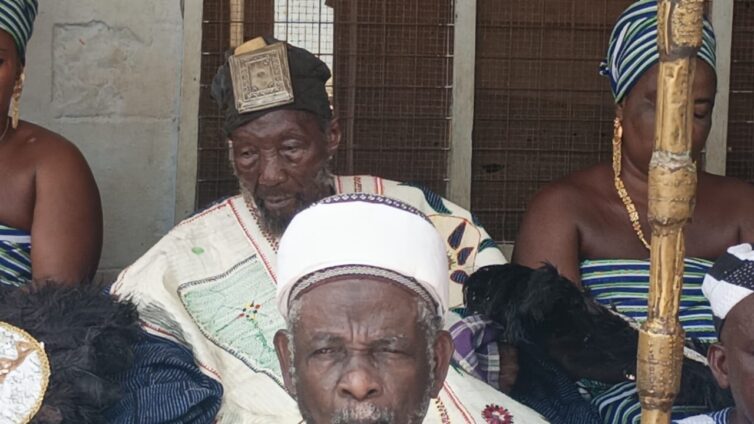
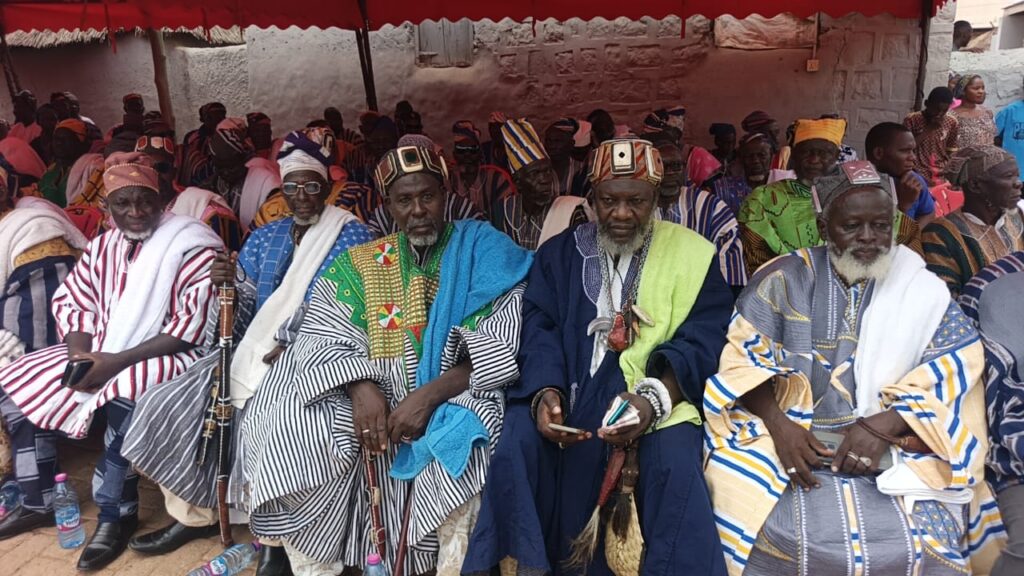
The Overlord of Mamprugu, Naa Bohagu Mahami Abdulai Sheriga, has accused state security agencies of abuse of power and called for urgent investigations into the alleged killings and mistreatment of Mamprusi youth linked to the ongoing Bawku conflict.
Addressing a press conference in Nalerigu, the Nayiri expressed deep concern over what he described as arbitrary arrests, unlawful detentions, torture, abductions, and alleged extrajudicial killings involving Mamprusi persons in the wake of the Bawku chieftaincy crisis.
The Mamprugu King said recent developments surrounding the conflict and the handling of the mediation process have deepened mistrust and heightened insecurity in the area.
According to him, the situation in Bawku has continued to deteriorate despite mediation efforts led by Otumfuo Osei Tutu II. He claimed the mediation outcome had failed to restore peace and instead worsened tensions within the traditional area.
“Rather than ushering in calm and reconciliation, the area continues to witness killings, arson, abductions, persistent gunfire, and widespread insecurity,” the Nayiri stated.
The Nayiri further alleged that dissenting voices from Mamprugu regarding the mediation process were being suppressed through intimidation and restrictions on media platforms.
He specifically raised concerns over the conduct of security agencies following a visit to Bawku by the Inspector-General of Police, Christian Tetteh Yohuno.
According to the Nayiri, assurances were allegedly made to armed Kusasi youth regarding recruitment into the Ghana Police Service after the IGP’s convoy was reportedly attacked during the visit.
He claimed that since then, there had been a disturbing pattern of arrests and deaths involving Mamprusi individuals in state custody.
The Nayiri cited the case of Abdul-Aziz Iddrisu, who he alleged was abducted by persons believed to be police officers and later pronounced dead under suspicious circumstances.
He also mentioned Seidu Safianu and Shamsudeen Mohammed, who were reportedly arrested and later killed after being removed from custody.
He rejected official explanations linking the deaths to robbery-related operations, insisting that evidence available to Mamprugu authorities contradicted those claims.
The Mamprugu King disclosed that more than 40 Mamprusi individuals had reportedly been arrested and transferred to Accra on what he described as questionable charges since December 16, while others allegedly remain unaccounted for.
He also accused armed Kusasi groups of continuing attacks on civilians and travellers along the Bawku–Bolgatanga highway despite the presence of military escorts.
The Nayiri questioned what he described as unequal security arrangements for travellers, alleging that Kusasi travellers were frequently provided armed escorts while Mamprusi travellers often waited for weeks without protection.
He further condemned the arrest and detention of Bawku Naa Sheriga, arguing that no citizen should be forcibly displaced from his ancestral home under political pressure.
The Nayiri also criticised curfews, alleged military brutality, and what he described as intimidation and selective arrests in Nalerigu, Walewale, and surrounding communities.
He maintained that the Constitution of Ghana prohibits state interference in chieftaincy matters and accused the state of taking sides in the dispute by challenging the legitimacy of a chief installed through traditional authority.
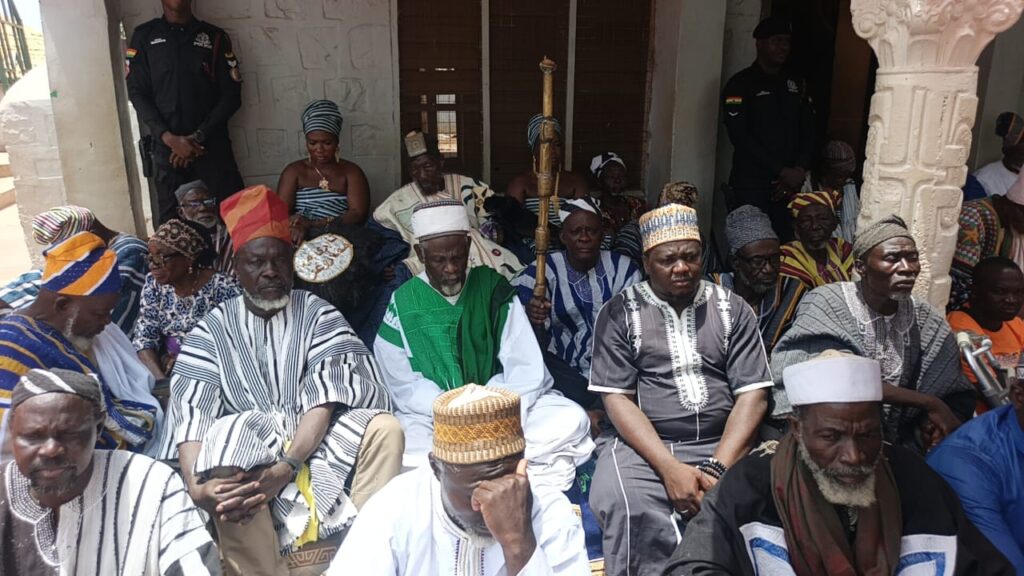
Despite the tensions, the Nayiri said Mamprugu had consistently exercised restraint to prevent the conflict from escalating into a wider ethnic confrontation.
He called on the Government of Ghana, civil society organisations, religious leaders, human rights bodies, and the international community to intervene and ensure justice, fairness, and constitutional order.
“Lasting peace in Bawku cannot be achieved through coercion, intimidation, selective justice, or the imposition of outcomes that lack legitimacy and consensus,” he said.
The Bawku conflict, rooted in a long-standing chieftaincy dispute between Mamprusi and Kusasi factions, has led to recurring violence and insecurity in parts of the Upper East and North East Regions over the years.
Latest Stories
-
Power restoration fault suspected in Kumasi Central Market fire
2 hours -
The 7-foot giant of Ngleshie Amanfro: Seven-foot Ghanaian Ephraim Saawa dreams of joining the national basketball team
2 hours -
Government promises support for Kumasi Central Market fire victims
2 hours -
Vibes The Movie: Big Ghun’s Ghanaian film earns five nominations at 2026 REFFA
3 hours -
MamaCare CEO warns unresolved conflicts among health workers could undermine maternal and neonatal care
3 hours -
Health professionals urged to translate medical knowledge into practice to save mothers
3 hours -
Conflicts among care providers linked to maternal, neonatal deaths – Expert
5 hours -
GIS marks 10th TIME conference, champions improved teaching practices
5 hours -
BRICS Or Balance? What Ghana’s bid really means
5 hours -
GPRTU wants full TRAFFITECH-GH implementation to start in 2027
6 hours -
Mahama announces plans to import electric wheelchairs for PWDs
6 hours -
KGL U17 Colts 2026: Western beat Prempeh Elite Academy to set up final final with Greater Accra Region
6 hours -
Late Solanke strike salvages 10-man Spurs draw at Man United
6 hours -
Gender Ministry to monitor welfare of Nana Akua Addo’s children amid domestic violence case
6 hours -
Benedict Okyere Yeboah: Ghana’s football problem goes beyond sacking a coach
7 hours