

Audio By Carbonatix
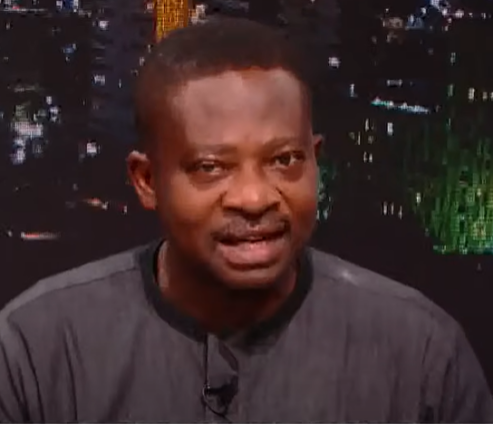
Global conflicts and supply chain disruptions could soon affect Ghana’s manufacturing sector if tensions persist, President of the Association of Ghana Industries (AGI), Seth Twum Akwaboah, has warned.
Speaking on Joy News’ PM Express on Wednesday, he said factories in Ghana may not immediately feel the effects of global disruptions because of the typical production cycle used by most manufacturers.
“Normally, companies talk, and for typical manufacturing, there’s a cycle of at least three months to a six-month cycle.”
He explained that companies usually secure inputs and process goods over several months before they reach the market. Because of this cycle, the impact of disruptions is not immediately visible, he said.
“During that period, if there are major disruptions, it may not affect you much, because we have bought the goods at a particular price.”
“We have stopped them at a particular cost and processing them at a particular so you wouldn’t see the disruptions affecting you so much at the very beginning.”
For now, he said, manufacturers remain calm, stating, "We don’t need to panic. Companies are reasonably stable in their minds.”
However, he warned that prolonged global disruptions could create serious challenges for local industries once existing stocks run out.
“However, when it drags, that is where it comes because no matter the amount of stock you have, it will get finished at some point, then you need to import. When you import, the question will be, Will the imports be the same cost as they were before?”
Mr Twum Akwaboah said Ghana’s manufacturing sector relies heavily on imported inputs.
“Remember that a lot of the inputs we process, or the manufacturing we do in the country, we import quite a lot of our inputs.”
“The machinery and raw materials are coming from abroad, apart from the agri business-related ones.”
He said many of these inputs are sourced from regions already affected by global tensions.
“A lot of the light manufacturing, we import the inputs, and it’s coming from the various parts of the world, especially Southeast Asia. And they are having challenges as a result of this war that is going on.”
If the situation persists, he said, production costs in Ghana will inevitably rise.
“So, eventually, if the situation drags on, there will definitely be an impact in a negative way. Because your cost of production will go up as a result of the input costs going up.”
He explained that higher shipping and logistics costs will also contribute to rising prices.
“And why would the input costs go up? They will go up because your landed cost will go up. Fuel prices may be affected, the supply chain is getting disrupted, and the volumes you may need may not be available at the time you need.”
“It is taking much longer before you get your goods.”
He also pointed to new shipping charges linked to global conflicts.
“And then once it’s on a longer route, the shipping lines are going to add more. There are charges, they call the war risk charges that have been imposed.”
“And it’s as high as 1500 to $2,000 per container.”
He said such unexpected costs could significantly affect manufacturers.
“So if this is added to your cost and unplanned, you can imagine the impact.”
Mr Twum Akwaboah said the global community must work to resolve the tensions quickly to avoid long-term disruption.
“That’s why we are all hoping that Uncle Trump would sit down with the people and quickly iron out their differences. And let’s move on as a world and as a nation.”
“So that we don’t get too long a disruption. Because it lasts, any drug is definitely going to have an effect.”
“For now, we are not panicking. We are just hoping and waiting to see how things progress.”
Latest Stories
-
Petrol, diesel prices set to fall from Oct. 16 as LPG faces 18.5% hike
2 minutes -
Bank of Ghana engages stakeholders in Techiman
8 minutes -
PIAC unable to verify GH¢21m petroleum-funded projects in Ayawaso West
15 minutes -
Ketu North MP led delegation petitions government over deteriorating Weta Irrigation Scheme
19 minutes -
Unpaid contractor delays KATH Mother and Baby Unit as materials deteriorate
24 minutes -
Kofi Adams says Ghanaians ignored warnings over World Cup visa payments
29 minutes -
Banks to apply 20% VAT on cross-border digital payments with Ghana-issued cards
34 minutes -
Education Minister appeals to GAUA to call off strike, resume work on October 19
39 minutes -
Mahama assures Assemblies of God of support for World Congress
44 minutes -
Ghana must prioritise home-grown AI solutions to meet national needs – UNDP
48 minutes -
Mahama truly cares – Obuobia Darko-Opoku
52 minutes -
Fire at GRIDCo Mallam substation disrupts power in parts of Accra
1 hour -
Your client is Parliament, not a party; remain honest even when unwelcome – Speaker
1 hour -
Mahama urges chiefs to help tackle galamsey, protect water bodies
1 hour -
Bank of Ghana pilots digital cross-border payments with Rwanda, Nigeria
1 hour