

Audio By Carbonatix
New Zealanders have voted to legalise euthanasia in the preliminary results of a referendum held in mid-October after years of emotional debate.
Friday's results showed 65.2% of voters supported the End of Life Choice Act 2019 coming into force as a new law.
It will allow terminally ill people, with less than six months to live, the opportunity to choose assisted dying if approved by two doctors.
The referendum is binding and the law will come into effect in November 2021.
The results do not include an estimated 480,000 special votes, including postal and overseas ballots, so the full outcome will not be confirmed until next Friday. But with such strong support, the final outcome is not expected to change.
The result will see New Zealand join a small group of countries, including the Netherlands and Canada that allow euthanasia.
The referendum was held alongside the general election earlier this month. In a separate non-binding referendum held at the same time, New Zealanders narrowly rejected a proposal to legalise recreational cannabis.
The preliminary results on the cannabis vote was 53.1% no and 46.1% yes - though this result may be subject to change when the special votes are counted.
A long road to reform
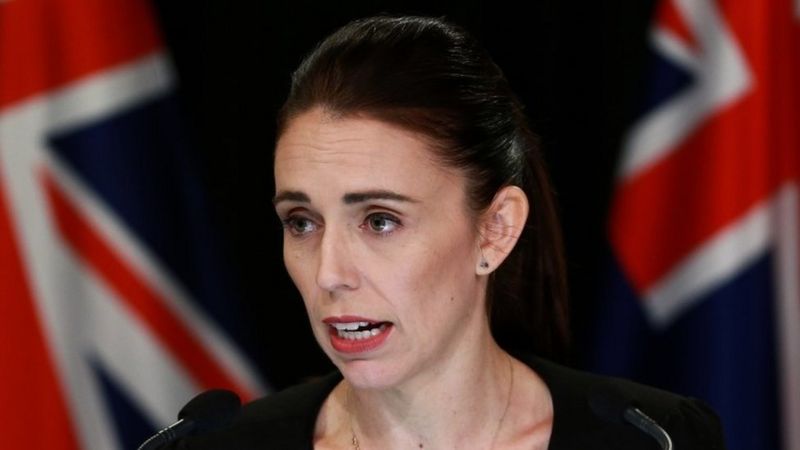
The "yes" verdict had been anticipated after multiple polls suggested strong public support for the law, which was also backed by Prime Minister Jacinda Ardern and the opposition leader, Judith Collins.
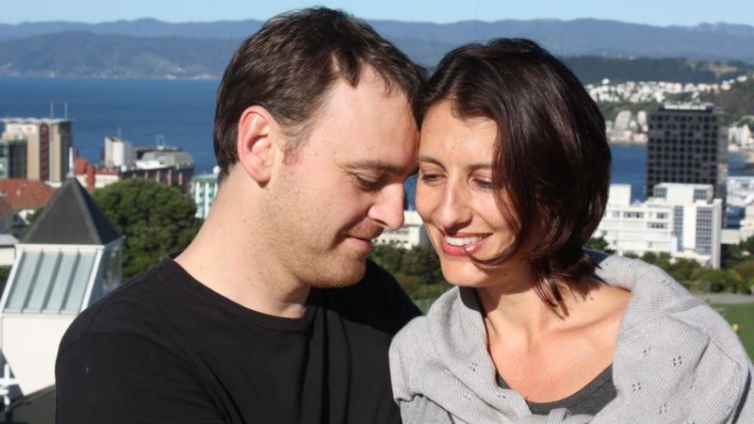
For Matt Vickers, who took on his late wife Lecretia Seales' fight to legalise assisted dying in New Zealand, the law is one the nation "can be proud of".
Ms Seales was a lawyer who launched a legal challenge for the right to end her life with medical assistance after she was diagnosed with a brain tumour. But her case was unsuccessful and she died of her illness five years ago, aged 42.
Mr Vickers pressed on with her campaign and in 2016 his book, "Lecretia's Choice: A Story of Love, Death and the Law", was published.

Speaking to the BBC ahead of the result, he said ultimately his late wife's goal was for terminally ill people "to have a choice".
"She didn't want to die. No one does. That's a popular misconception. The problem was the choice to live had been taken away," he said. "She wanted a choice on how death happens so if things got bad she could end the suffering at the time she wanted."
What is the new law?
The End of Life Choice Act was passed by parliament in 2019 after years of heated parliamentary debate and a record number of public submissions.
It was passed on the proviso that it would first be put to a referendum, only coming into force if more than 50% of voters ticked "yes".
There are a number of criteria a person must meet to ask for assisted dying. These include:
- suffering from a terminal illness that's likely to end their life within six months
- showing a significant decline in physical capability
- being able to make an informed decision about assisted dying
The legislation authorises a doctor or nurse to administer or prescribe a lethal dose of medication to be taken under their supervision if all the conditions are met.
The law also says a person cannot be eligible for assisted dying on the basis of advanced age, mental illness, or disability alone.
What do opponents say?
While there is widespread support for euthanasia reform, there has also been vocal opposition.
As MPs voted on the bill last year, protesters had carried placards stating "assist us to live not die" and "euthanasia is not the solution" outside parliament.
Euthanasia-Free NZ, a group that advocated against the law, has said that euthanasia poses a threat to the well-being of society. Among its concerns are that the legalisation of assisted dying would contradict and undermine suicide prevention.
Others have voiced worries about people with chronic conditions potentially feeling obliged to use euthanasia to avoid being a burden on their families.
Which countries allow euthanasia?
The referendum result in New Zealand will be closely watched by advocates for and against assisted dying throughout the world.
By voting "yes" the country is joining a small group of nations and territories that have passed similar legislation.
Euthanasia is legal in Belgium, Canada, Colombia, Luxembourg, the Australian state of Victoria and the Netherlands, while assisted suicide is permitted in Switzerland.
A number of states in the United States have also made assisted dying legal.
Euthanasia is the act of deliberately ending a person's life to relieve suffering, while assisted suicide is the act of deliberately assisting another person to kill themselves. In contrast to euthanasia and assisted suicide, assisted dying would apply to terminally ill people only.
Latest Stories
-
Church of Pentecost supports over 2,000 BECE candidates in Obuasi with career guidance seminar
60 minutes -
Brandon Asante and Coventry all but promoted to Premier League despite Sheffield Wednesday draw
1 hour -
GPL 2025/26: Late Kwartemaa strike downs Hearts in Tema
1 hour -
Ghana Faces Sierra Leone Moment as Prosecutorial Powers come under strain
2 hours -
Don’t consume fish or seafood from Tema Shipyard until further notice – FDA warns
2 hours -
Why volunteering might be Africa’s most underrated career accelerator
2 hours -
ActionAid Ghana raises concern over gender gaps in Feed Ghana Programme
2 hours -
Windstorm wreaks havoc in Gushegu, displacing nearly 2,000 residents and damaging schools
2 hours -
Friends of Bridget Bonnie Marks her 35th birthday with donation to Kasseh Model Health Centre
3 hours -
From Ekumfi Kokodo to the Pulpit Stage: Essi Donkor’s gospel journey takes shape
3 hours -
Landfilling waste management creates no value, it’s an economic waste
3 hours -
Photos: Speaker Bagbin Commissions MPs constituency office under parliamentary decentralisation programme
3 hours -
Black Stars technical advisor Winfried Schäfer sacked as GFA shakes up backroom staff
3 hours -
Wenchi water project almost complete, critical to gov’t agenda – GWL MD
4 hours -
Anti-LGBTQ+ bill not part of government’s legislative agenda – Inusah Fuseini
4 hours