

Audio By Carbonatix
The National Health Insurance Authority (NHIA) has announced an ambitious plan to expand the National Health Insurance Scheme (NHIS) to cover every illness in Ghana by 2030.
With the scheme currently providing coverage for about 95% of illnesses, the establishment of the Medical Trust Fund, dubbed Mahama Cares, and the planned introduction of free primary healthcare, the Authority believes total coverage is within reach.
Speaking at a stakeholder engagement with private health insurers, acting Chief Executive of NHIA, Dr Victor Bampoe, expressed confidence that the reforms underway will make the vision of full coverage achievable.
“Every Ghanaian everywhere can actually access healthcare without financial hardship, and by 2030, we want to ensure that we have universal health coverage across Ghana. Starting with the NHIS as it exists now, we already take care of about 95% of all disease conditions.

"So, there is the Mahama Cares initiative, the regular NHIS, and the upcoming free primary healthcare, which will help diagnose diseases quicker, screen people earlier, and provide preventive medicines,” he said.
Also speaking at the stakeholder engagement, the acting Director of the Private Health Insurance Industry, Dr William Omane-Adjeikum, raised concerns about the role of telecommunication companies in offering health insurance packages.
According to him, their activities remain largely unregulated and pose risks to the growth and sustainability of the private health insurance sector.
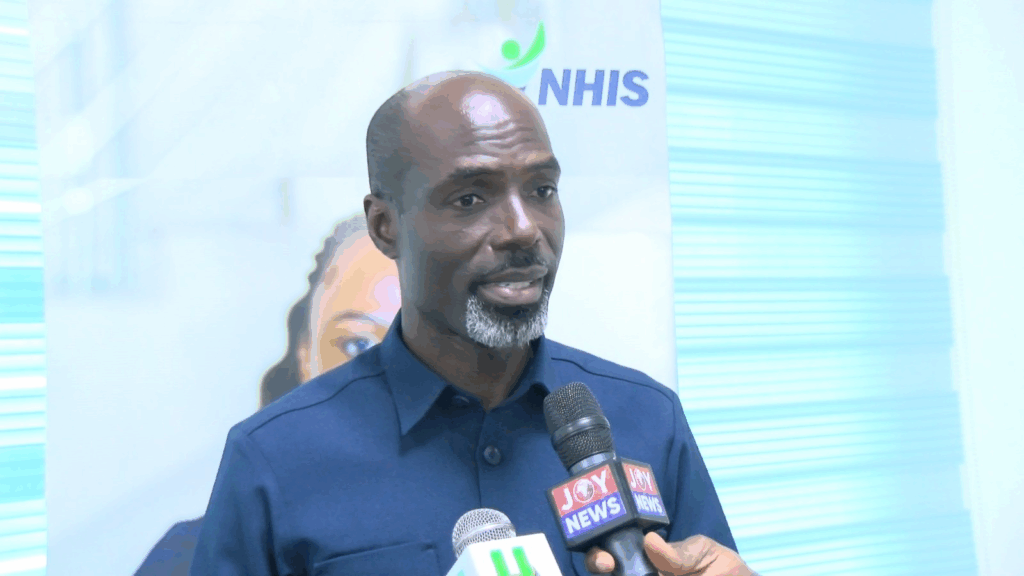
“There is a growing menace of some telecommunication companies partnering with certain insurance companies to roll out products that also include health insurance. These products are not known to the National Health Insurance Authority.
"The Authority is therefore sounding a caution to companies in partnership with telecom operators to desist from offering products that have any component or semblance of health insurance,” he said.
While the Authority insists it is on course to deliver universal health coverage by 2030, private sector players caution that tighter regulation and oversight will be crucial to safeguard the industry and ensure the ambitious target is met.
Latest Stories
-
Mahama highlights role of technology in driving agricultural transformation
3 minutes -
Achimota School Senior Housemaster threatens legal action over ‘false sextortion’ allegations
11 minutes -
Dust, potholes and danger: Awoshie Last Stop–Gbawe road worsens
11 minutes -
Security recruitment expansion ‘not well thought through’ – Nitiwul
18 minutes -
Patric Pfeiffer: Four things to know about Black Stars newbie
18 minutes -
2026 Joy Ghana Fest starts from Friday March 20
22 minutes -
CLOGSAG warns of fresh strike if gov’t fails to act in 14 days
23 minutes -
We want to make World Cup final – GFA Comms Director
23 minutes -
First batch of Ghana Armed Forces recruits to begin training
24 minutes -
McDan aviation dispute must be resolved to protect Ghanaian investors – Industrialist
31 minutes -
Mahama launches nationwide ‘Resetting Ghana Tour’ to monitor projects
38 minutes -
Manage spending expectations to protect economic stability – PFM expert
42 minutes -
Tema: Wrecked aircraft had no black box—Aircraft Accident Investigation Bureau
48 minutes -
Chief Imam commends Mahama, prays for peace and unity ahead of Eid al-Fitr
49 minutes -
Trump seeks to delay meeting with Xi in China
49 minutes