

Audio By Carbonatix
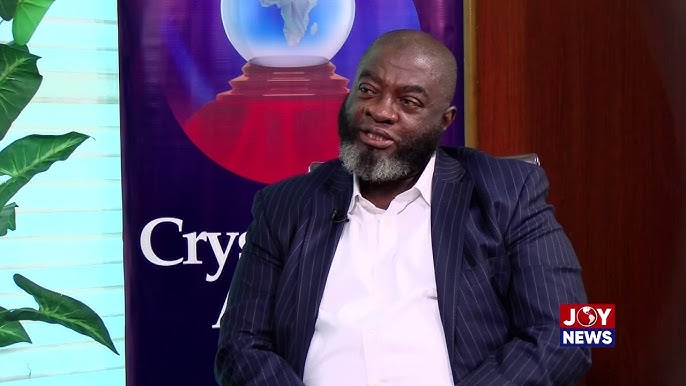
Executive Chairman of AB & David Law, David Ofosu-Dorte, has raised concerns about the potential for large-scale dollar dumping in Ghana's financial markets as the cedi continues its recent appreciation against the US currency.
The warning comes amid mixed reactions to the pace of economic adjustments following the cedi's recovery.
Speaking during an analysis segment on the Joy FM Super Morning Show on Tuesday, May 27, Mr Ofosu-Dorte noted:
"I have a certain fear – if the dollar goes below a certain point, it may lead to a dumping of the dollar by financial institutions who hold large dollar reserves. We need to identify a stabilisation point to prevent market disruption."
The cedi has recorded a remarkable performance against major international trading currencies, particularly a 22% appreciation since January 2024.
Inflation, on the other hand, remains sticky at 23% despite the currency gains, with a growing disparity between exchange rate improvement and commodity prices.
At the moment, most commercial banks are maintaining adequate dollar buffers, with a reported 40% drop in dollar demand since March.
Importers are also cautiously optimistic but maintaining dollar positions.
Economists advise gradual dollar conversion rather than panic selling, warning that abrupt moves could undermine recent gains.
Meanwhile, Mr Ofosu-Dorte is proposing structural reforms for deeper economic transformation.
"We always talk about the fundamental changes we need in our economy. Our dependence on imports remains problematic. While boosting exports and manufacturing may reduce import dependency, I didn't hear specific details on how this will be achieved," he commented on President John Dramani Mahama’s eight-point reset agenda shared at a summit the previous day.
The analyst identified three critical gaps in current economic discussions, outlining a mindset change, policy consistency, and stabilisation framework.
"What are we doing to change our attitudes as a people? When the dollar rises, we immediately adjust prices upward, but when it falls, we resist downward adjustments. This is an attitudinal issue in how we buy and sell," he said.
He added,” I prefer policy approaches over compulsion, but we need strategies that instil discipline without IMF intervention every seven years."
"The Governor mentioned the need for stability, which is good. But we need clear parameters to prevent volatile market reactions."
Latest Stories
-
GPRTU in Savannah Region to protest alleged eviction in Damongo
21 minutes -
Re: Reinsurance does not replace process — A response to the SIGA–SIC defence
35 minutes -
Gender Ministry supports Harriet Amuzu in ongoing abuse case
48 minutes -
AG joins plaintiff to scrap OSP ?: We should be mindful of the mischief in this – Bobby Banson
54 minutes -
Samson Lardy Anyenini questions willingness of Attorneys-General to prosecute political colleagues
57 minutes -
It is only fair the OSP is heard in Supreme Court case – Bobby Banson
1 hour -
Asiedu Nketia resumes Ashanti tour, second leg kicks off on Sunday
1 hour -
NLA denies salary cut claims, threatens legal action over reports
1 hour -
BoG Governor honoured for stabilising cedi, improve inflation
1 hour -
Kyebi Easter Homecoming 2026: A resounding success!
2 hours -
Trade Minister applauds GUTA as a pillar of economic growth; Prez Mahama honoured
2 hours -
President’s brother’s takeover of Damang Mines is ‘untidy’ – Alhassan Tampuli
2 hours -
It’s not true that gov’t decided not to renew the lease for Gold Fields – Bobby Banson
2 hours -
Ghana to boost tomato production with 60-hectare irrigated farms and processing initiatives
3 hours -
E&P’s takeover process of Damang Mines was very clean – Inusah Fuseini
3 hours