


Audio By Carbonatix
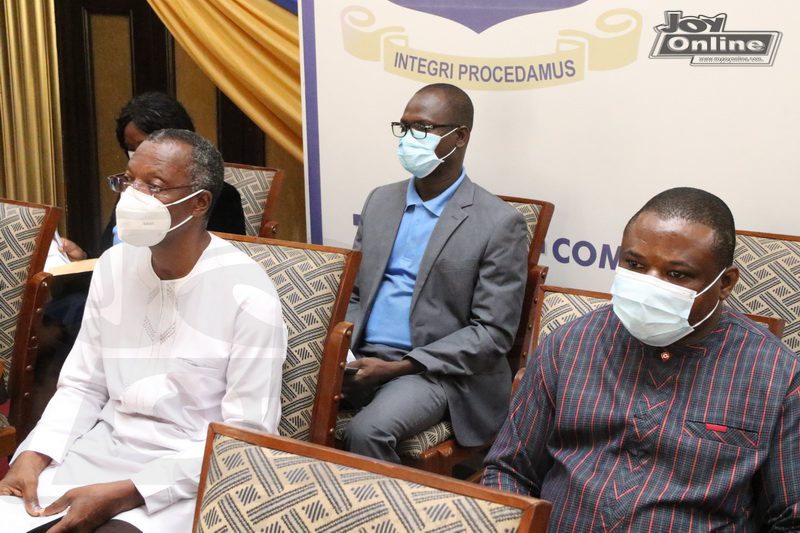
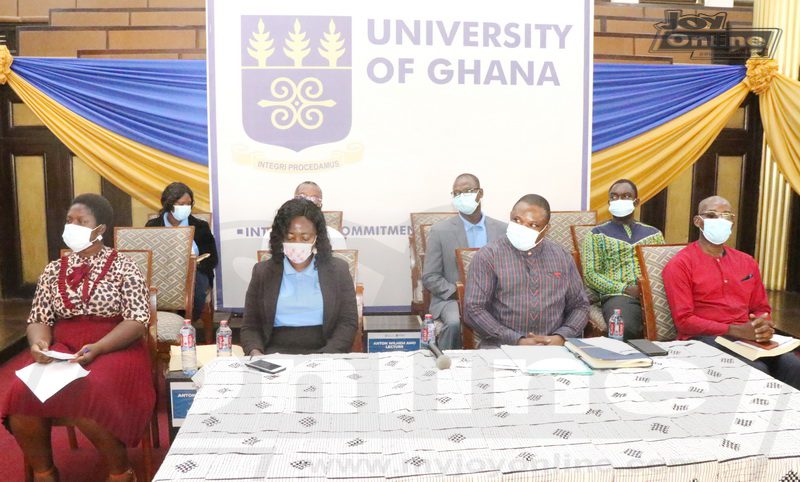
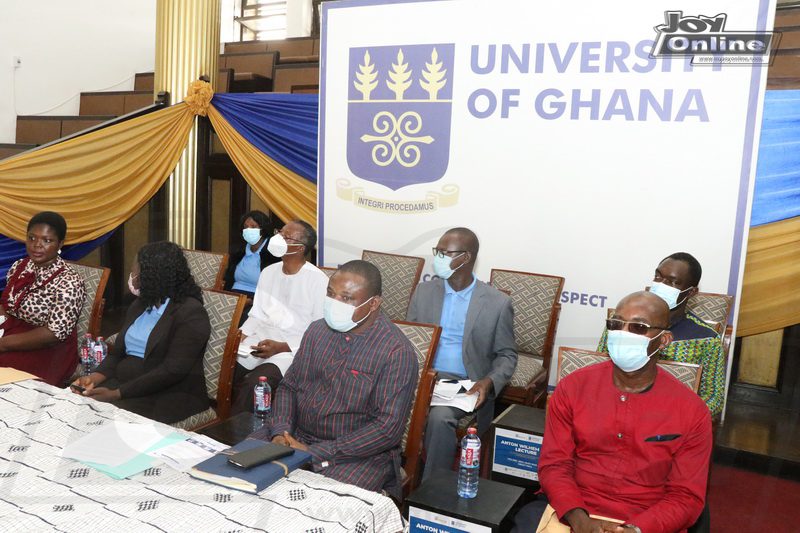
University of Ghana Laboratory Technologists and Technicians Association has been inaugurated at a ceremony in Accra.
The Association is aimed at contributing to building the capacities of the numerous laboratories in the country as well foster effective teaching, learning and research in the discipline.
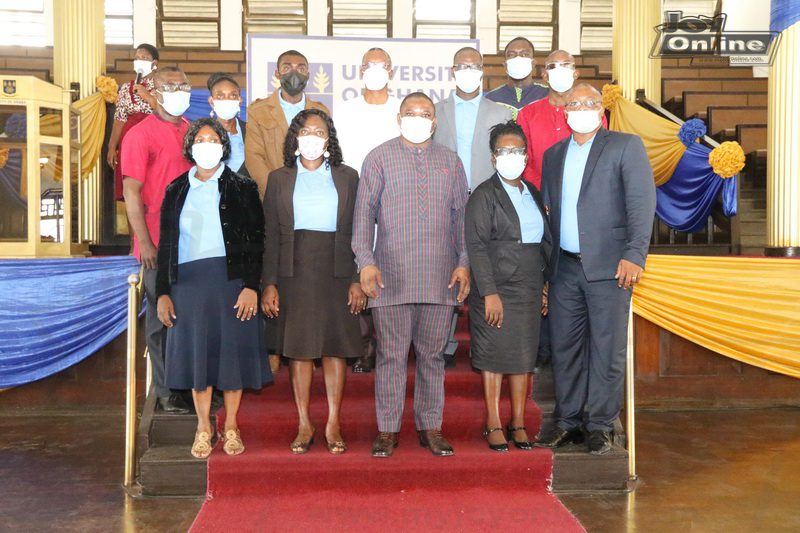
To achieve this noble objective, the leadership of the Association, since its establishment in 2019, has made efforts to help build the capacity of its members in the College of Health Sciences and College of Basic and Applied Sciences through workshops and seminars on laboratory quality management, ISO standards, the use and maintenance of various modern equipment, among others.
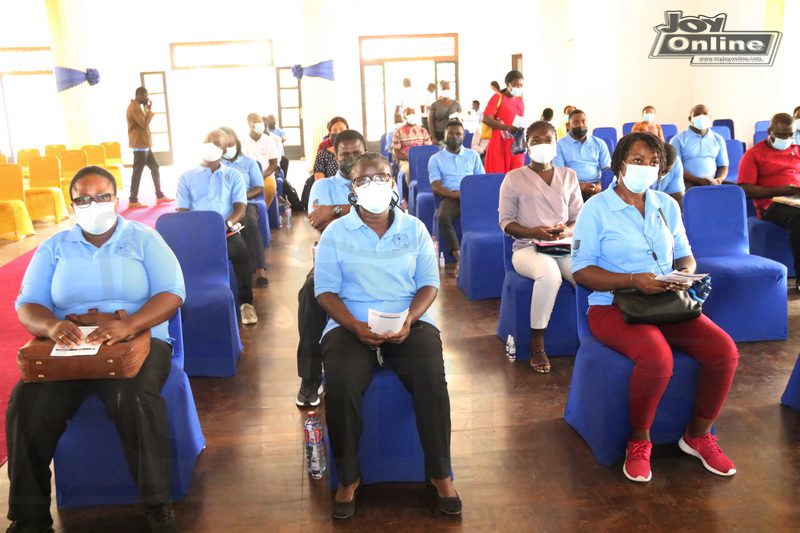
These trainings are the Association’s initial efforts towards strengthening the capacity of members in terms of providing laboratory services to the University and the public at large.
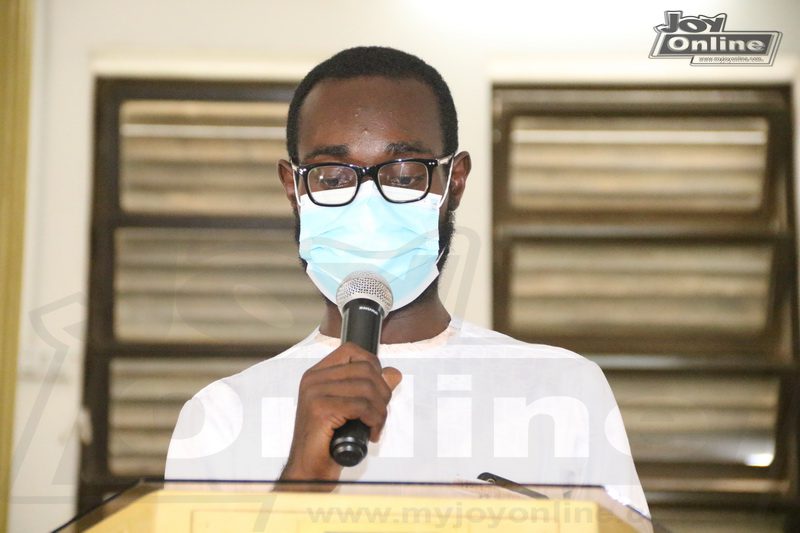
In her speech, the Chairperson of the Association, Mrs. Joyce Duah said it is an accepted fact that to progress and contribute significantly to the growth of institutions and nation as a whole, there is the need for collaboration among laboratorians of the departments within the University and beyond.
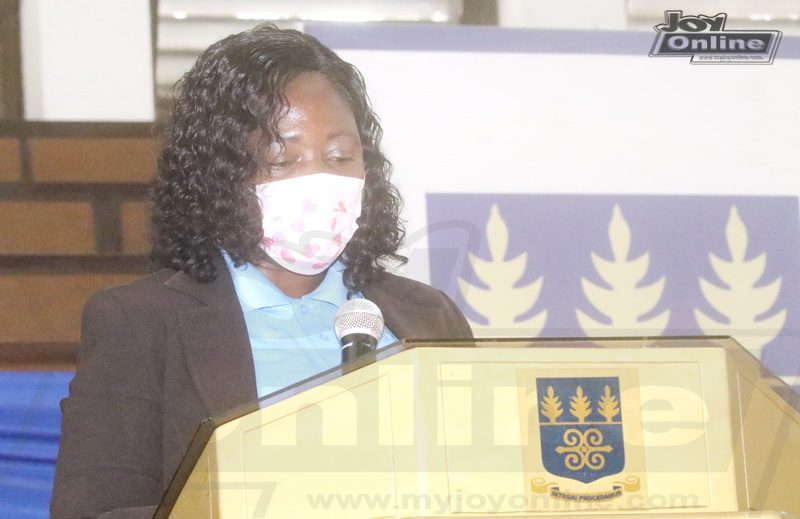
She said in today’s hi-tech world, coupled with the emergence of newer varieties of state-of-the-art equipment that become sophisticated by the day, a conscious effort should be made to train and upgrade this category of staff in the University to be abreast with best practices and to sharpen their skills and competencies.
“It is therefore important for the University to make a paradigm shift in its current handling of the careers and terms of reference for its technical staff," Mrs. Joyce Duah stated.
Mrs. Duah stressed the need for members to be paid hazard allowance, which according to her is being pursued at the Fair Wages and Salaries Commission.
"We all know that there are some chemical, biological and physical sources of hazards that pose a wide range of health challenges for those who are exposed to these sources on a daily basis.
For instance, long-term exposure to chemical hazards such as silica dust (commonly used in desiccators found in every laboratory) has been shown to increase risk of heart disease, stroke and high blood pressure. Therefore, it is in order for personnel in the laboratory to be compensated for this risk.
We therefore urge management and the unions to work hard for government to accept to implement the excessive exposure to health hazard allowance," she noted.




Latest Stories
-
White vs traditional marriage: Aesthetics above culture?
34 minutes -
Tumu Municipal Hospital receives new delivery bed to boost maternity care
42 minutes -
Telecel Ghana unveils Project X with Black Sherif partnership
51 minutes -
Rev. Kwadwo Bempah defies restriction on preaching on buses; warns it won’t succeed
1 hour -
French Embassy to partner Kobby Kyei Media for bloggers’ training
1 hour -
Nestlé and NBA announce multi-year international marketing partnership
1 hour -
Mahama sends condolences to Nigeria over plane crash that killed 25
1 hour -
Our lifestyles may be killing us but our spatial planning is too
2 hours -
12 arrested as police seize firearms, suspected drugs in Tamale
2 hours -
Chamber of Mines challenges Reuters report on proposed mining law
2 hours -
LA 2028: Black Queens take first leg advantage with 3-0 win over Mauritius
2 hours -
UG academic calendar could collapse if GAUA strike extends into next week – Awandare
2 hours -
Black Sherif partners with Telecel Ghana to promote Telecel Cash
2 hours -
Nestlé Ghana expands Tema factory, raises evaporated milk production capacity
2 hours -
Telecel Ghana launches CARE Month with customer rewards and community outreach
2 hours