

Audio By Carbonatix
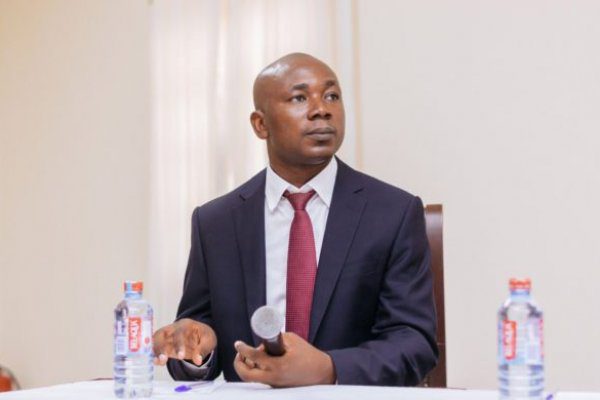
Economist and professor of finance at the University of Ghana, Godfred Bokpin, has backed the newly introduced GH¢1 levy on petroleum products, describing it as a necessary but temporary step to help stabilise Ghana’s struggling energy sector.
Speaking on Joy FM’s Super Morning Show, Prof. Bokpin explained that while the levy may not be popular, it is a practical move given the country’s current economic conditions and the ongoing reforms under the IMF-supported programme.
“I think I have said it before that there are painful decisions ahead of us, especially in the energy sector,” he said. “If you look at the 2025 budget and the strict expenditure cuts, and then again the many reforms under the IMF-supported programme, we face a considerable challenge navigating a path towards progressive spending without undermining the stability we are seeing right now.”
He noted that the recent appreciation of the cedi has allowed the government to introduce the levy without significantly affecting fuel prices.
“Under the circumstance, I have a soft side towards this imposition, largely also because of the gains that have been conferred especially in the ex-pump pricing formula given the strengthening of the local currency. So to that extent, we can make a case for this levy,” he said.
However, he stressed that the levy should not be permanent. “My considered view is that it is not supposed to be a permanent levy. It should be possible for the government to come back to the people of Ghana, to Parliament, and say that we’ve seen the currency weakening, we have done the analysis. The pass-through will be felt by consumers and therefore we want to take this out.”
Prof. Bokpin also warned that the recent currency gains are not rooted in long-term structural changes. “Once the strengthening of the currency is not based on structural and productivity transformation, we will always have to be very careful how the future looks like,” he said.
He added that some reforms are already in motion under the IMF programme but may take time to show results. In the meantime, the levy could help assure investors of Ghana’s ability to meet its obligations.
“We needed something urgently to also assure our investors that we have a repayment capacity,” he said. “Even if you are asking for private sector participation in the restructuring of the energy sector, we have to be able to assure investors that our repayment capacity is strong for them to be able to take on that risk on their balance sheet.”
Read also: Parliament approves new GH¢1 fuel levy after minority walkout
Latest Stories
-
How Sporting hero Gyokeres could end European run
6 minutes -
The attack on Ghanaian traders in Burkina Faso and the blame game: Why Hybrid Security Governance Holds the Key (II)
6 minutes -
Bayern face waiting game on ‘very special’ Kane
15 minutes -
The Problem with Nutrition Advice on Social Media – Lessons from a study among University Students
23 minutes -
Arteta calls for perspective as Arsenal look to avoid slump
31 minutes -
Kasoa Old Market traders given final eviction notice ahead of redevelopment
35 minutes -
GH¢15 sachet water price is a ceiling, not fixed – Producers clarify
39 minutes -
Morocco reports 7% rise in first-quarter tourist arrivals
41 minutes -
Calm returns to Adjen Kotoku Market following onion traders’ clash
42 minutes -
One dead, six in critical condition in Gomoa Fetteh accident
44 minutes -
GNFS responds to multi-vehicle crash at Ayi Mensah, urges caution
48 minutes -
Kaneshie footbridge closure raises safety concerns as pedestrians demand urgent repairs
51 minutes -
Clock ticks on Trump’s Iran ultimatum with little sign of breakthrough
52 minutes -
Be value creators for national development – KGL boss challenges private sector
59 minutes -
Bishop Asuamah urges hope, peace amid global and local conflicts
1 hour