

Audio By Carbonatix
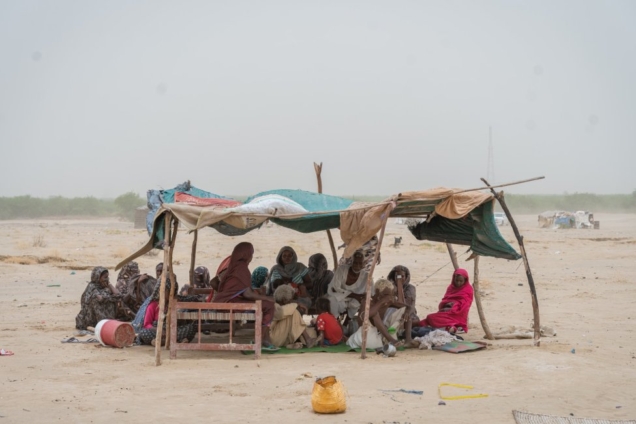
A new report shows that a record 83.4 million people were living in internal displacement by the end of 2024. This means they were forced to leave their homes but stayed within their own countries.
The Global Report on Internal Displacement 2025 (GRID), released by the Internal Displacement Monitoring Centre (IDMC), says the number has increased by 7.5 million from 2023, which was also a record year. The report points to conflict and disasters as the main causes.

In 2024 alone, 20.1 million people were newly displaced due to conflict and more than 9 million of these came from just two countries: Sudan and the Democratic Republic of Congo (DRC).
“These figures are a clear warning: without bold and coordinated action, the number of people displaced within their own countries will continue to grow rapidly,” said IOM Director General Amy Pope.
The IDMC report is also a call for preventive action, to use data and other tools to anticipate displacement before it happens, and for the humanitarian and development sectors to work together with governments to develop longer-term solutions to prevent displacement.
Disasters displaced more people in 2024 than ever before. A record 45.8 million new disaster displacements were recorded—nearly double the average over the past 10 years. While most people returned home during the year, about 9.8 million people remained displaced by disasters at the end of 2024.

29 countries and territories reported their highest numbers of disaster displacements ever. Cyclones alone caused 54% of all disaster displacements last year.
As climate change continues to cause more severe weather, experts warn the numbers could get even worse. The report highlights the importance of using good data to prepare for and reduce displacement.
The International Organization for Migration (IOM) is a key partner in the GRID report. It provides much of the data through its Displacement Tracking Matrix (DTM)—the world’s largest data source on internal displacement. In fact, more than half of the numbers in this year’s report come from IOM’s work.
The GRID report is used by governments and aid organizations to plan how to help displaced people and find lasting solutions.
Latest Stories
-
Church of Pentecost supports over 2,000 BECE candidates in Obuasi with career guidance seminar
1 hour -
Brandon Asante and Coventry all but promoted to Premier League despite Sheffield Wednesday draw
1 hour -
GPL 2025/26: Late Kwartemaa strike downs Hearts in Tema
1 hour -
Ghana Faces Sierra Leone Moment as Prosecutorial Powers come under strain
2 hours -
Don’t consume fish or seafood from Tema Shipyard until further notice – FDA warns
2 hours -
Why volunteering might be Africa’s most underrated career accelerator
2 hours -
ActionAid Ghana raises concern over gender gaps in Feed Ghana Programme
2 hours -
Windstorm wreaks havoc in Gushegu, displacing nearly 2,000 residents and damaging schools
2 hours -
Friends of Bridget Bonnie Marks her 35th birthday with donation to Kasseh Model Health Centre
3 hours -
From Ekumfi Kokodo to the Pulpit Stage: Essi Donkor’s gospel journey takes shape
3 hours -
Landfilling waste management creates no value, it’s an economic waste
3 hours -
Photos: Speaker Bagbin Commissions MPs constituency office under parliamentary decentralisation programme
3 hours -
Black Stars technical advisor Winfried Schäfer sacked as GFA shakes up backroom staff
3 hours -
Wenchi water project almost complete, critical to gov’t agenda – GWL MD
4 hours -
Anti-LGBTQ+ bill not part of government’s legislative agenda – Inusah Fuseini
4 hours