

Audio By Carbonatix
Sri Lanka will need about $3 billion in external assistance within the next six months to help restore supplies of essential items, including fuel and medicines, to manage a severe economic crisis, its finance minister said on Saturday.
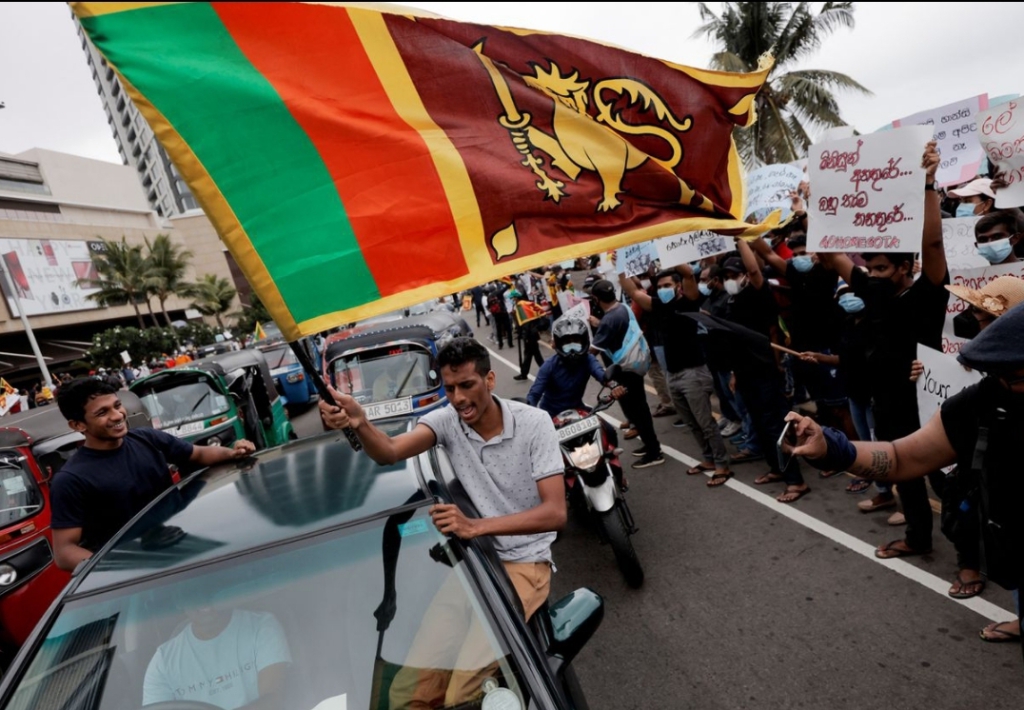
The island nation of 22 million people has been hit by prolonged power cuts, with drugs, fuel and other items running short, bringing angry protesters out on the streets and putting President Gotabaya Rajapaksa under mounting pressure.
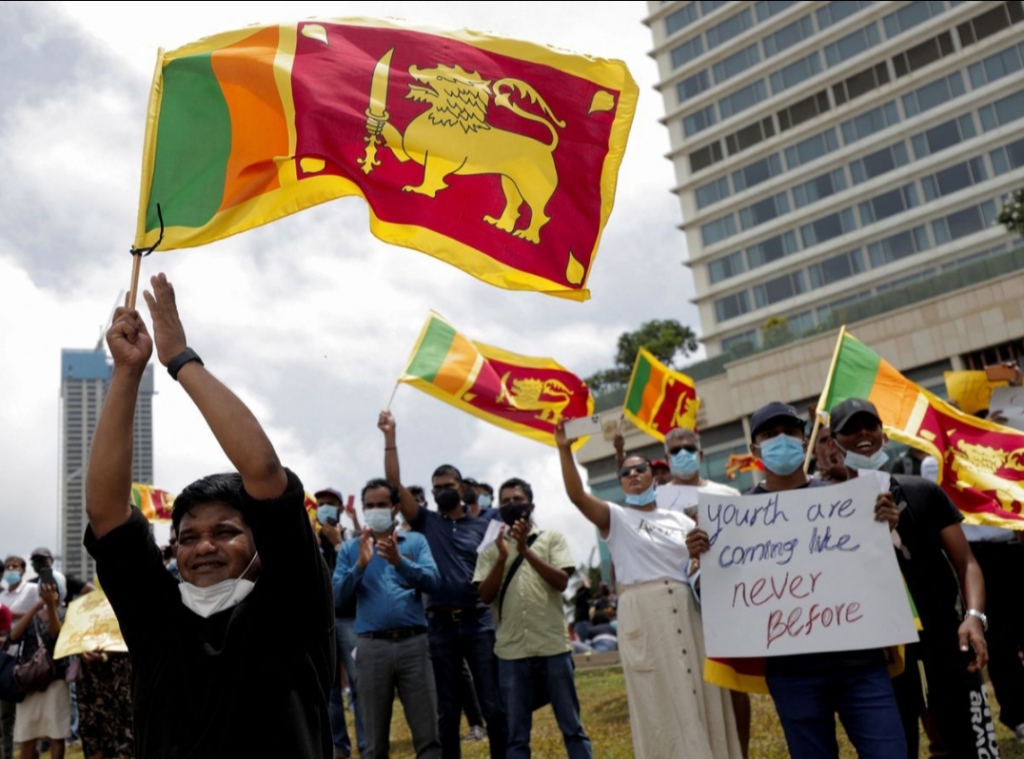
"It's a Herculean task," Finance Minister Ali Sabry told Reuters in his first interview since taking office this week, referring to finding $3 billion in bridge financing as the country readied for negotiations with the International Monetary Fund (IMF) this month.
Sri Lanka will look to restructure international sovereign bonds and seek a moratorium on payments, and is confident of negotiating with bondholders for an upcoming $1 billion payment in July.
"The entire effort is not to go for a hard default," Sabry said. "We understand the consequences of a hard default."
J.P. Morgan analysts estimated this week that Sri Lanka's gross debt servicing would amount to $7 billion this year, with the current account deficit coming in around $3 billion.
Sri Lanka will seek another $500 million credit line from India for fuel, which would suffice for about five weeks of requirements, Sabry said.
The government would also seek support from the Asian Development Bank, the World Bank and bilateral partners including China, the United States, Britain and countries in the Middle East.
"The entire effort is not to go for a hard default," Sabry said. "We understand the consequences of a hard default."
J.P. Morgan analysts estimated this week that Sri Lanka's gross debt servicing would amount to $7 billion this year, with the current account deficit coming in around $3 billion.
Sri Lanka will seek another $500 million credit line from India for fuel, which would suffice for about five weeks of requirements, Sabry said.
The government would also seek support from the Asian Development Bank, the World Bank and bilateral partners including China, the United States, Britain and countries in the Middle East.
"We know where we are, and the only thing is to fight back," Sabry said, looking relaxed in a blue T-shirt and jeans.
"We have no choice."
Sri Lanka's foreign reserves stood at about $1.93 billion at the end of March.
On Friday, a new central bank governor raised interest rates by an unprecedented 700 basis points in a bid to tame rocketing inflation and stabilise the economy.
In a effort to fix government finances, Sabry said the country will have to raise tax rates and further increase fuel prices within the next six months.
"These are very unpopular measures but these are things we need to do for the country to come out of this," he said. "But the choice is do you do that, or do you go down the drain permanently?"
Latest Stories
-
At least 30 feared dead in crush at Haitian tourist site
1 hour -
Four arrested over murder of Scottish businessman in Kenya
1 hour -
New Mainoo deal closer, says Man Utd boss Carrick
1 hour -
Sinner beats Alcaraz to return to world top spot
2 hours -
An inappropriate joke nearly ended his career. Now he’s back with more humour
2 hours -
GPL 2025/26: Dreams FC stage stunning comeback to hammer Eleven Wonders
3 hours -
Livestream: The Probe examines Kumasi’s looming water crisis
3 hours -
MTN Ghana gears up to lead Africa’s AI revolution
3 hours -
Philanthropist Alhaji FuZak donates Da’wah bus to Ambariya Sunni community
3 hours -
GUTA calls for suspension of Publican AI system over trade disruptions
3 hours -
TTAG raises alarm over proposed recruitment of 7,000 teachers, demands national posting roadmap
4 hours -
Civilians feared killed after reports of air strike on Nigerian market
4 hours -
Bishop Simon Kofi Appiah installed as new Jasikan Diocese Bishop
4 hours -
Trump’s Strait of Hormuz blockade threat raises risks and leaves predicaments unchanged
4 hours -
US Court backs extradition of former MASLOC CEO Sedina Tamakloe-Attionu to Ghana
4 hours