

Audio By Carbonatix
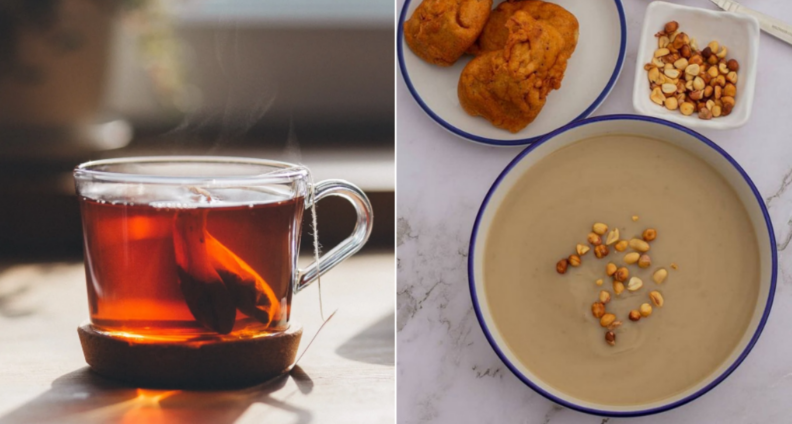
Ghanaians are renowned for our love of eggs, often finding creative ways to incorporate them into our meals. Fufu and eggs have gradually become a staple in many chop bars, but tea is another popular favorite.
The nation spent an astounding $128 million importing tea in 2021, a testament to its popularity. In Ghana, tea is more than just a beverage - it's a cultural ritual, a social custom, and a way of life.

There is also a growing trend for weight reduction and "flat tummy" teas, contributing to this rising import bill.
It is no surprise that Ghana has a thriving tea culture, given the country's history as a British colony. Introduced by the British, tea customs and etiquette have seamlessly merged with Ghanaian traditions, creating a unique tea culture that blends both.

Analyzing import trends from the OEC reveals a steady climb, reaching an all-time high of $128 million in 2021, compared to $94.1 million in 2020. The accompanying graph illustrates this upward trajectory.
China dominates the supply chain, accounting for 81% of all tea imports. This heavy reliance makes the price of tea in Ghana susceptible to disruptions, such as shortages or price hikes from China, potentially impacting affordability for consumers.
The growing demand for tea in Ghana is multifaceted, driven by factors like the rising cost of breakfast beverage substitutes, the popularity of weight-related teas, and their widespread availability. This surge isn't confined to traditional black tea but encompasses a diverse range of tea products.
The intertwining of these factors underscores the profound impact on Ghana's tea culture and import bill and highlights the risks of reliance on a single source for tea.

A potential supply shortage or price hike from China could pose a challenge for individuals and the economy, as breakfast substitutes like koko and chocolate drinks become more expensive.
As the nation continues to develop, there is a need for diversification of the tea market to ensure the affordability and accessibility of tea, as well as the economic stability of the country.
Latest Stories
-
Tyson Fury dominates Makhmudov, calls out Joshua next
14 minutes -
I have supported highway authority financially to fix roads in my constituency – A Plus
1 hour -
US, Iran fail to reach peace agreement after marathon talks in Pakistan
2 hours -
ECG kicks off Phase Two of transformer upgrades at Lashibi; brief outages expected
2 hours -
Port crises loom as 11,000 drivers threaten four-day strike
3 hours -
A source of excellence across generations – Vice President Opoku-Agyemang lauds Mfantsipim
4 hours -
(Photos) Mfantsipim School launches historic 150th anniversary
4 hours -
Knights and Ladies of Marshall group backs Catholic Bishops’ stance on anti-LGBTQ+
5 hours -
Bright Simons writes: All the Filla in the Ibrahim Mahama/E&P – Gold Fields Saga
6 hours -
Monetise Idiocy In Ghana
6 hours -
The Ghanaian prophet and the mysterious death of his scottish wife Charmain Speirs
7 hours -
Nearly 400 sentenced in Nigeria for links to militant Islamists
7 hours -
Ghana’s recovery supported by gold strength despite global oil price pressures – Standard Bank Research
7 hours -
Methodist Church hails Mfantsipim@150; calls for “fresh consecration” to excellence
7 hours -
‘Excellence is our inheritance’ – Nana Sam Brew-Butler hails Mfantsipim’s 150-year reign in leadership
8 hours