

Audio By Carbonatix
In a decisive move to tackle long-standing gender disparities in regional trade, Women in Law and Development in Africa (WiLDAF) – West Africa has launched a bold initiative aimed at empowering women cross-border traders of agri-food products along the Ghana-Togo frontier.
The project, titled “Support for Women’s Empowerment and Reduction of Gender Inequalities in Cross-Border Trade in Agri-Food Products,” specifically targets women operating within the Togo-Ghana and Togo-Benin trade corridors, with a strong focus on improving livelihoods, boosting regional integration, and ensuring gender justice in trade.
Women form the backbone of agri-food trade across West Africa, playing an indispensable role in ensuring food security and sustaining household incomes in both rural and urban areas.
According to the 2020 report, “African Women Speak Out in Support of Agroecology,” staple foods account for nearly 30 percent of regional trade, an overwhelming portion of which is driven by women-led businesses.
Yet, despite this central role, women traders continue to grapple with a complex web of structural, institutional, and gender-specific barriers that restrict their growth, competitiveness, and safety in the marketplace.
The realities on the ground are harsh. Women engaged in cross-border agri-food trade frequently encounter administrative and customs hurdles, including exorbitant levies, arbitrary banking regulations, and inconsistent trade and fiscal policies, especially pronounced between Anglophone and Francophone countries.
The inconsistent application of regional frameworks such as the ECOWAS Trade Liberalization Scheme (ETLS) further exacerbates their vulnerability.
Beyond the bureaucratic red tape, infrastructure limitations, ranging from poor transport systems to inadequate warehousing facilities, undermine efficiency and increase post-harvest losses. Compounding these challenges is a critical lack of timely and accurate market information, which impairs women’s ability to make informed business decisions or identify new trade opportunities.
Financial exclusion also remains a critical barrier. Many women traders face exorbitant credit costs, limited access to financing options, and inefficient banking services. These financial bottlenecks curtail their ability to scale their operations or invest in value addition.
Perhaps most disturbing are the personal security risks these women face on a daily basis, harassment, extortion by border officials, the arbitrary confiscation of goods, and threats of physical harm. These incidents not only threaten their physical safety but erode trust in public institutions meant to protect them.
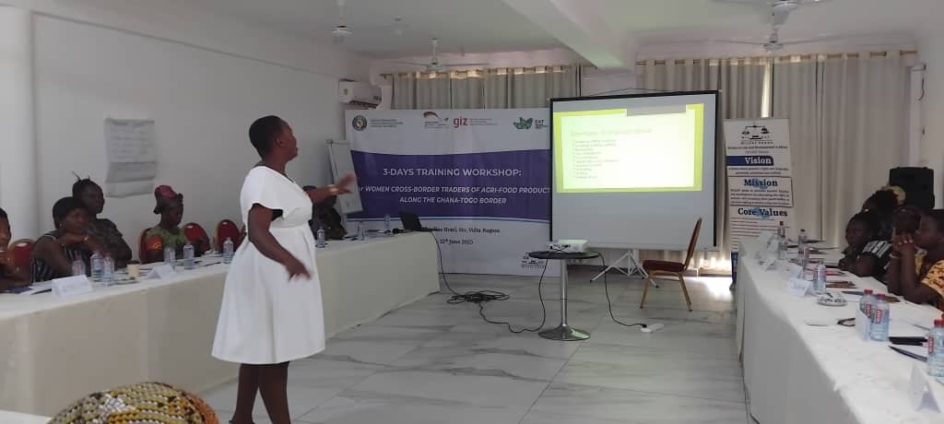
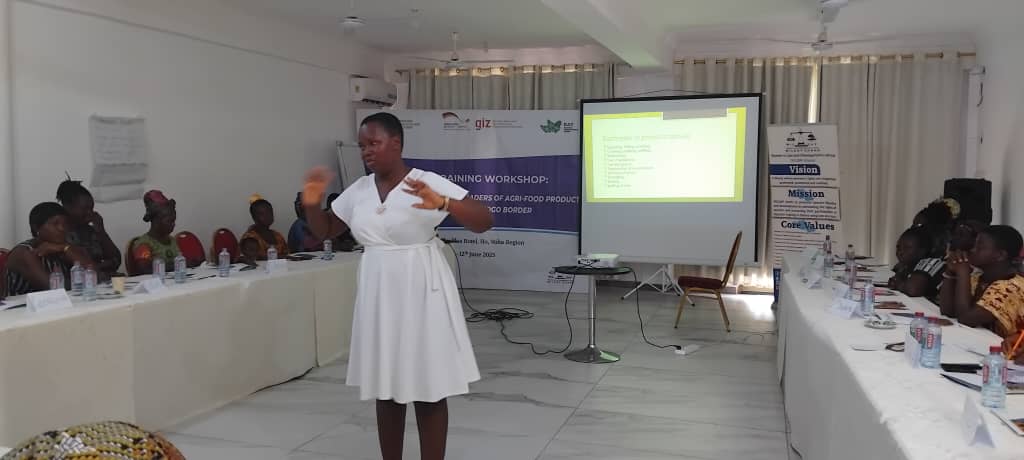
Against this backdrop, WiLDAF-West Africa’s Women’s Cross-Border Agri-Food Trade Project is both timely and transformative. The initiative includes a Training Workshop specifically designed to enhance the capacity of women agri-food traders operating along the Ghana-Togo border.
The workshop will serve as a platform for skill development, knowledge exchange, and advocacy, equipping participants with the tools they need to navigate trade regulations, leverage regional protocols like the ETLS, and access accurate market intelligence. Participants will also be trained on financial literacy, business management, and personal security strategies.
This initiative underscores WiLDAF’s broader mission of advancing and protecting women’s rights, particularly within the economic domain where gender imbalances continue to persist. By addressing both the structural and institutional challenges confronting women in cross-border agri-food trade, the project aims to not only improve individual livelihoods but also drive inclusive regional economic growth.
As Ghana and Togo seek to deepen trade integration under the ECOWAS framework and the African Continental Free Trade Area (AfCFTA), the success of such initiatives will hinge on the inclusion of women, who remain essential but underserved actors in cross-border commerce.
WiLDAF’s project is a crucial step toward correcting gender imbalances in trade and creating enabling environments where women can thrive as equal partners in economic development. It represents a clarion call to policymakers, customs authorities, financial institutions, and development partners to prioritize the needs of women in cross-border trade, not as beneficiaries, but as co-architects of West Africa’s future prosperity.
As the first training workshop commences, expectations are high. For the women who traverse the borders daily with bags of maize, tomatoes, gari, and plantains, this is more than just a workshop—it is the beginning of a shift toward dignity, recognition, and transformation.
Latest Stories
-
We haven’t handed over our forex role to Goldbod – BoG Governor Asiama
2 minutes -
‘Trust but verify’ – MTN Ghana urges SMEs to guard against cyber fraud
11 minutes -
Assemblies of God Congress: Mahama urges churches to promote compassion, integrity
22 minutes -
North Korea and China open new bridge after 12-year delay
32 minutes -
Anthropic flags revenue surge to investors ahead of stock market debut
41 minutes -
Norway’s wealth fund set to overhaul ethical rules after US scrutiny
51 minutes -
‘There can be no mistake, regardless of who is picked’ – Bentil on CJ contenders
1 hour -
Ghana needs a Chief Justice who inspires public confidence – Bentil
1 hour -
Government to introduce integrated basic education model schools from 2027 – Haruna Iddrisu
2 hours -
Russell Brand was a ‘sexual predator’, prosecution alleges as rape trial begins
2 hours -
Drop-off charges at UK airports to be reviewed after sharp increase
2 hours -
Kenya confirms second Ebola case – a relative of the first victim
2 hours -
Hidden video recording device found in cabin of Australian navy ship
2 hours -
Saudi Arabia overturns death sentence for man over Facebook comment, Sri Lanka says
2 hours -
Burnham says he wants to ‘repair bridges’ between Ukraine and US
3 hours