

Audio By Carbonatix
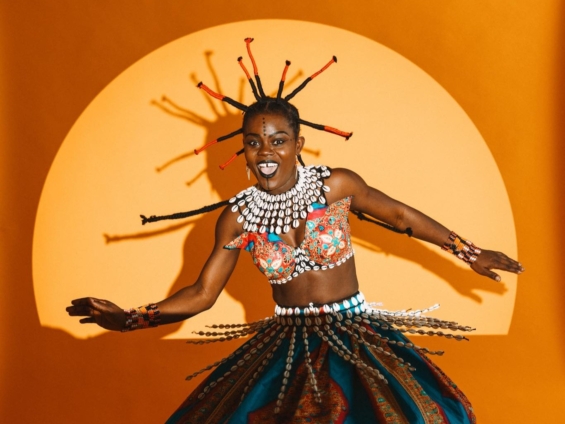
Ghanaian music star and cultural activist Wiyaala will be officially outdoored and enskinned as the paramount queenmother of the Funsi Traditional Area on January 17, 2026.
She announced the development on her social media platforms on Monday, January 5, 2025.
The ceremony marks a major moment in the traditional history of the area and expands Wiyaala’s role in cultural leadership and community development.
Chosen by the elders and kingmakers of Funsi, Wiyaala will take on responsibilities centred on women, children and broader community advancement. The traditional title provides her with a formal platform to support local initiatives while bridging customary leadership with contemporary advocacy.
To coincide with the enskinment, Wiyaala has launched the Pulung Festival, a one-day cultural celebration scheduled for the same date.
The festival will feature performances by Wiyaala, Samson B and Best Gally, alongside other local and international artists.
The event will showcase the heritage and creativity of the Funsi area while welcoming visitors to witness and participate in traditional rites.
Known widely as the Lioness of Africa, Wiyaala has built a career that blends dynamic stage performance with cultural preservation.
Her music and public work consistently highlight northern Ghanaian traditions and promote local languages and performance styles.
This new traditional role formalises a long-standing relationship between her artistic identity and her commitment to community advocacy.
The selection has been described as a thoughtful decision that links cultural stewardship with modern forms of influence. The Pulung Festival is being positioned not only as a celebration but also as a platform for addressing community priorities, with attention on programmes that support livelihoods and protect cultural knowledge.
For residents and visitors alike, January 17 will offer a rare opportunity to experience a blend of traditional ceremony, live music and community activities.
The event also reflects how contemporary cultural figures are increasingly engaging with traditional roles to support social and developmental goals in their home regions.
Latest Stories
-
IMANI Africa President urges greater awareness and support for Parkinson’s Disease patients
5 minutes -
T-bills: Government records undersubscription of 29%; interest rates continue to surge
7 minutes -
Perceptions of Judicial partisanship ‘unfortunate’ – Justice Adjei-Frimpong urges greater public engagement to build trust
10 minutes -
Ghana to honour Christina Hammock Koch for historic Artemis II mission
1 hour -
Supreme Court appointments require more than 15 years’ experience – Justice Adjei-Frimpong
1 hour -
Fire destroys 3-bedroom house at Bogyawe
2 hours -
Why the Supreme Court is a “policy court” – Justice Richard Adjei-Frimpong breaks it down
2 hours -
Playback: The Law discussed Supreme Court @150
3 hours -
MTN Momo staff walk to promote wellness and fitness
3 hours -
Assafuah: Sedina Attionu’s return from Nevada will test government’s commitment to accountability
3 hours -
How GRA’s Modified Taxation Scheme is boosting revenue compliance & SMEs competitiveness
4 hours -
Stonebwoy Can Do It: A call to unite behind 2026 BHIM Fest
4 hours -
World Shea Expo returns to Tamale for 2026 edition
4 hours -
Prioritise cocoa sector with better prices, timely payments-Annoh-Dompreh urges NDC
5 hours -
Lands and Mines Watch Ghana endorses Heath Goldfields’ mining capacity
5 hours