


Audio By Carbonatix
Police in Zambia have threatened to arrest persons found in the possession of sex dolls and vibrators, a local portal, Mwebantu reports.
According to police spokesperson, Esther Katongo, the laws of the country considered such items as ‘obscene material’ adding that their importation, sale or possession are illegal.
“Possession of obscene materials in this country is an offence. Read section 177 of the Penal code Importation check section 177 (1)(b) and Section 177 (1) © criminalises taking part in such business,” Katongo explained.
She was responding to questions from journalists who wanted to know the status of sex dolls as per Zambian laws. The southern African country is largely conservative and frowns on a number of issues including same-sex relationships.
The police recently mounted a hunt for two alleged lesbians after photos circulating online showed them openly expressing their relationship.
Zambians have, however, been expressing varied opinions over the directive. Some insist the law never made any provision for sex dolls while others see it as a step in the right direction.
Zambia police seek public aid in hunt for lesbian couple https://t.co/OlRiFnzySl
— africanews (@africanews) January 31, 2018
Artificial intelligence (AI) is making its way into the global sex market, bringing with it a revolution in robotic “sextech” designed to offer sexual gratification with a near-human touch.
But the arrival of sex robots has divided opinion. Inventors argue they can potentially replace prostitutes, reduce sex trafficking and help lonely people, while critics say they objectify women and normalize sexism and rape culture.
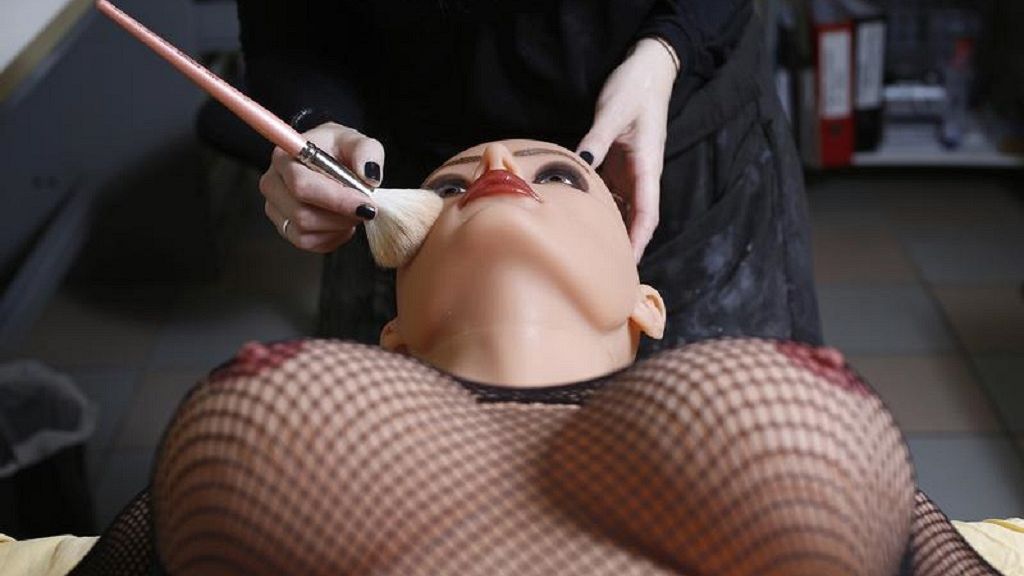
Sex robots have gone on sale in parts of the world and one goes for as much as $2,000. Roboticists continue to develop these robots – some of which talk and respond to touch through AI technology.
Sex robots at bigger companies like Abyss Creations sell for higher – around $10,000 depending on added extras.
Experts say the increasingly life-like robots raise complex issues that should be considered by policymakers and the public – including whether the use of such devices should be encouraged to curb prostitution and sex trafficking, for sex offenders, or for people with disabilities.
Latest Stories
-
David Beckles claims second J60 Accra title
9 minutes -
No France cocaine suspect linked to Mahama, Vice President’s security details – NACOC
16 minutes -
Anwelle Foundation launched in Jirapa to tackle poverty, youth unemployment
37 minutes -
Joy Sports Editor Fentuo Tahiru Fentuo to moderate inaugural Music Meets Football Summit in Zambia
42 minutes -
Court premises too volatile for Baffour Awuah’s attempted arrest by EOCO – Inusah Fuseini
49 minutes -
Drug bust: Under no circumstances will NACOC leadership be compromised – Twum-Barimah
50 minutes -
VIDEO: EOCO’s attempted arrest of Baffour Awuah was flawed beyond saving – Law Lecturer
50 minutes -
Genuine Ghanaian exporters may face heightened foreign inspections over drug busts – Lawyer
50 minutes -
Stakeholders demand action against foreign-led illegal mining in Ahafo Region
2 hours -
Ghana handed tricky draw at 2026 Amputee World Cup
3 hours -
2024 Nyankpala election violence: Youth group petitions authorities over slow probe
3 hours -
Ghana, UNICEF strengthen partnership to advance child protection
3 hours -
Day Two of 3rd Republic Bank-JoyNews Habitat Fair ends with great homeownership offers and financing solutions
3 hours -
Guinness Ghana DJ Awards 2026 Pub Fest celebrates Ghana’s DJ culture as Accra turns up the energy
3 hours -
10th woman found dead in South Africa’s string of killings
3 hours