

Audio By Carbonatix
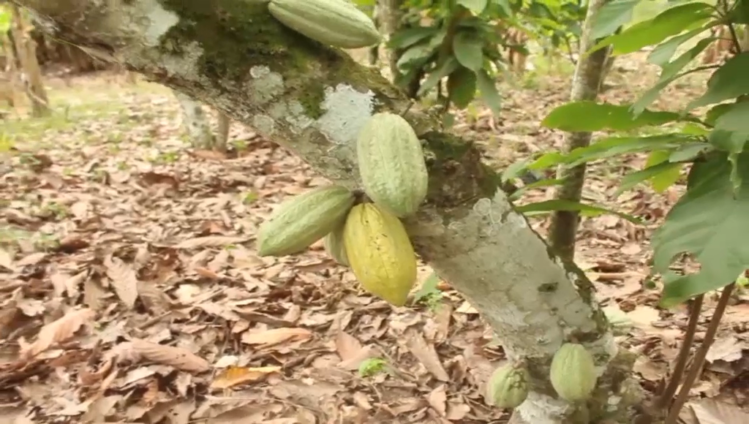
Illegal gold mining, bad farming practices and lack of fertilisers for cocoa farmers in West Africa, risk undercutting next year’s cocoa yields in Ghana and to some extent Cote D’Ivoire, Singapore-based Redd Intelligence has warned.
In its analysis of Ghana’s cocoa sector, it said the war in Ukraine has limited Russian exports of fertilisers worldwide, including potash.
“No one can afford fertiliser as it costs at least twice what it did last year. “There will be a lower crop next year which will weigh on the minds of [all lenders] putting money into the market.”
“While rainfalls have helped the 2021-2022 cocoa crop season in both Ghana and Cote D’Ivoire, the next season does not look so promising as “the big things we have always been worried about are starting to rise up,” said George.
These challenges include the destruction of land, bad farming practices, illegal gold mining and climate change.
Redd Intelligence emphasised that Ghana used to give out free or heavily subsidised fertilisers to license-buying companies, but this has reduced over the years due to increased fraud and costs.
“As such, cocoa farmers in Ghana are demanding a 30% increase in price for the 2022-2023 season”, it added.
Another issue on the horizon, particularly for exporters, is the EU’s proposed carbon border adjustment mechanism (CBAM), initially published in July last year. The core element of the CBAM is the obligation to pay for greenhouse gas emissions embedded in certain carbon-intensive products imported into the EU through the purchase of so-called CBAM certificates.
However, while the proposed mechanism was initially aimed at the obvious polluting industries such as oil and gas, Redd Intelligence said the EU is now looking at introducing it for the production of chocolate, which is “incredibly high-emitting of CO2.”
“This will blow some of the economic models of developing markets completely out the water”, it warned.
Ghana is the second-biggest cocoa producer in the world, after Cote d’Ivoire, according to the International Cocoa Organization.
The two African nations combined control about 70% of the world’s cocoa market.
Latest Stories
-
GAEC must retain nuclear scientists for Ghana’s nuclear ambitions – Minister
12 minutes -
Man reportedly mistaken for game and shot by hunter dead in forest
14 minutes -
19-year-old mason jailed 15 years for defiling seven-year-old pupil
19 minutes -
Ghana’s banking sector assets rise 20.47% to GH¢500.2bn – BoG Governor
23 minutes -
22 injured as Sprinter bus overturns at Sege after tyre burst
24 minutes -
UN housing expert urges Ghana to strengthen Rent Control Department amid housing affordability concerns
33 minutes -
Delta-BCI partnership reaches 166,000 people with breast cancer education
42 minutes -
Power restoration fault suspected in Kumasi Central Market fire
6 hours -
The 7-foot giant of Ngleshie Amanfro: Seven-foot Ghanaian Ephraim Saawa dreams of joining the national basketball team
7 hours -
Government promises support for Kumasi Central Market fire victims
7 hours -
Vibes The Movie: Big Ghun’s Ghanaian film earns five nominations at 2026 REFFA
7 hours -
‘I’m a fulfilled man’—Justice Korbieh on missing out on Supreme Court despite two nominations
7 hours -
MamaCare CEO warns unresolved conflicts among health workers could undermine maternal and neonatal care
8 hours -
Health professionals urged to translate medical knowledge into practice to save mothers
8 hours -
Retired judge Justice Francis Korbieh charges 1,568 new lawyers to uphold integrity
9 hours