

Audio By Carbonatix
A decades-old photograph from Ghana's Deo Gratias studio, now in its centenary year, demands attention.
It is not one of dozens snapped in a hurry to be swiped through and then forgotten.
The photographer and the subjects clearly spent time on the composition and production. That time needs to be repaid.
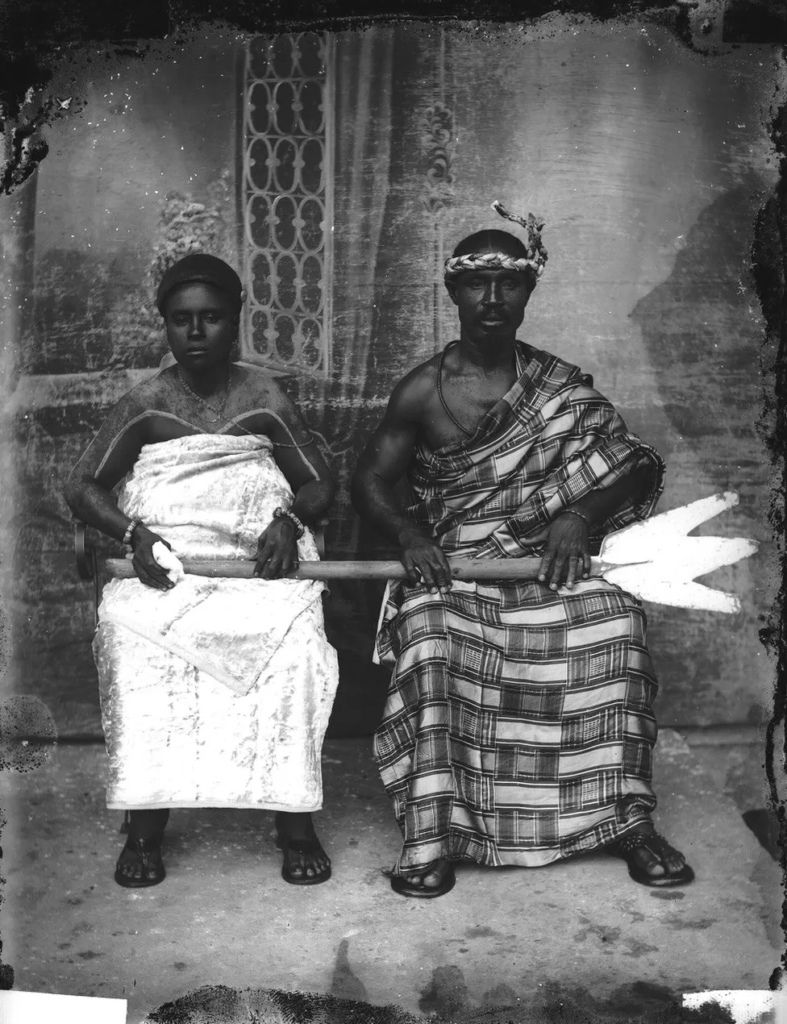
One day in the 1930s a local chief fisherman holding a ceremonial oar must, along with his wife, have stepped into JK Bruce-Vanderpuije's studio in Accra, the capital of what was then known as the Gold Coast.
Asking the couple to keep still and look straight ahead, he captured their regal look - dressed in fine cloth with a symbolic crown. The couple are frozen in time but the country was undergoing big changes around them.
Three decades later colonial Gold Coast, under British rule, would become Ghana through the pressure of an independence movement that served as an inspiration to other anti-colonial struggles on the continent.
What emerges from the 50,000 images that still exist in the Deo Gratias archive is a record of a transforming society.
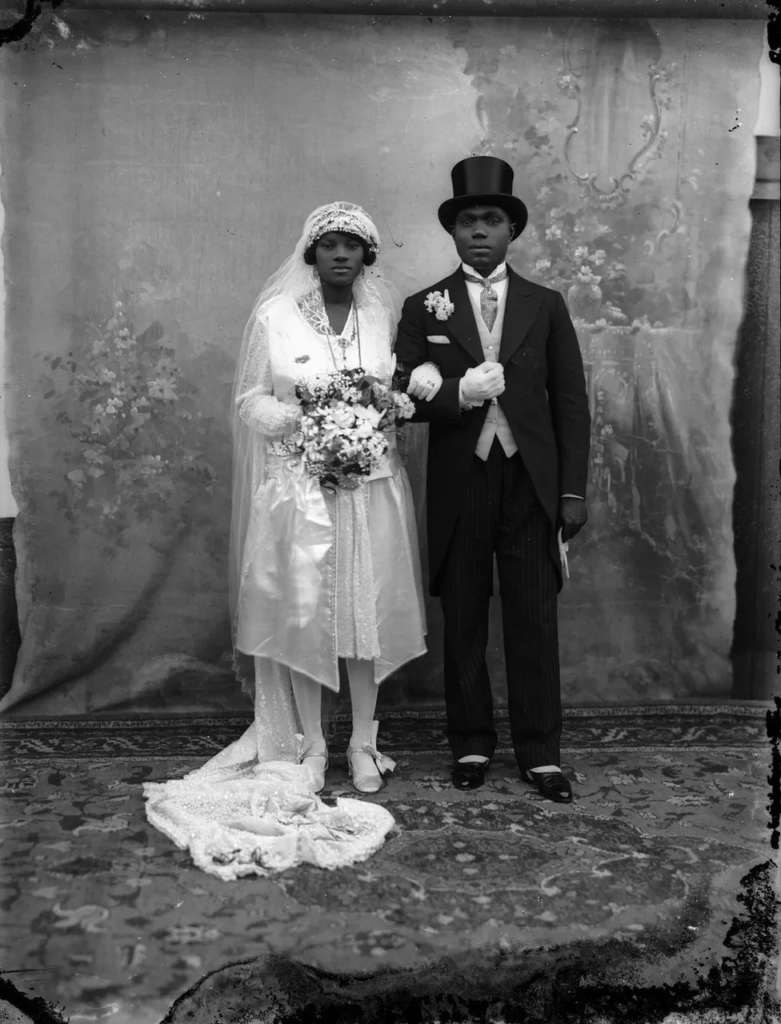
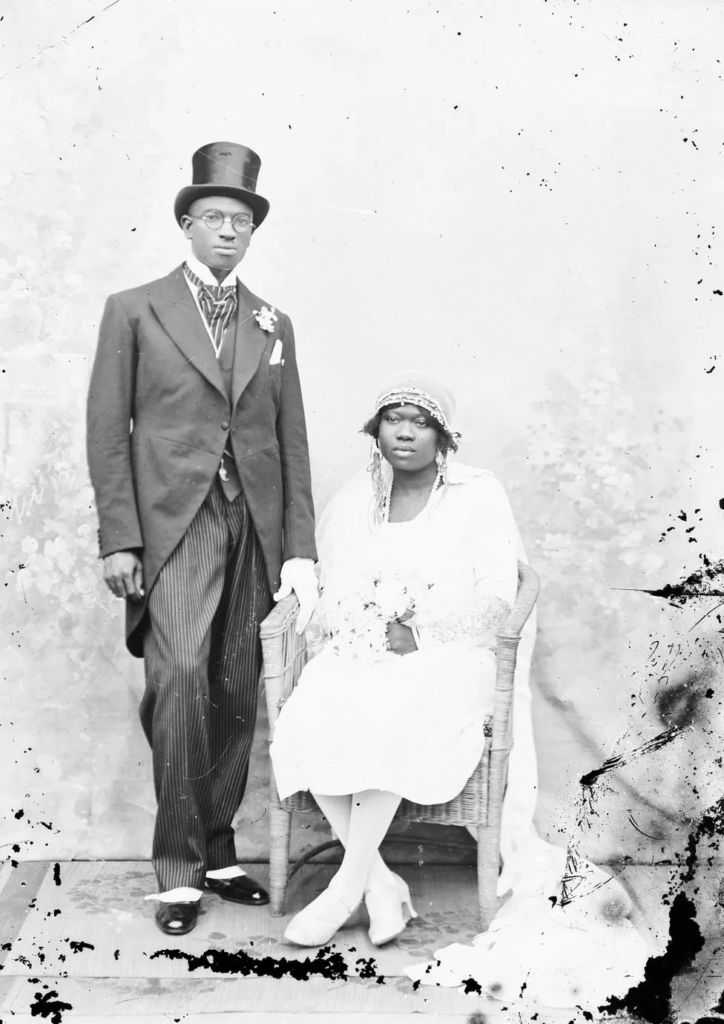
Bruce-Vanderpuije was one of the few commercial photographers operating in Accra at that time, and weddings provided one of the biggest sources of income.
Many were dressed, like the couple above from the 1930s and the two below from the 1940s, in English top hat and tails and white bridal gown. They have the same serious stare as the chief fisherman, but the clothes seem worlds away.
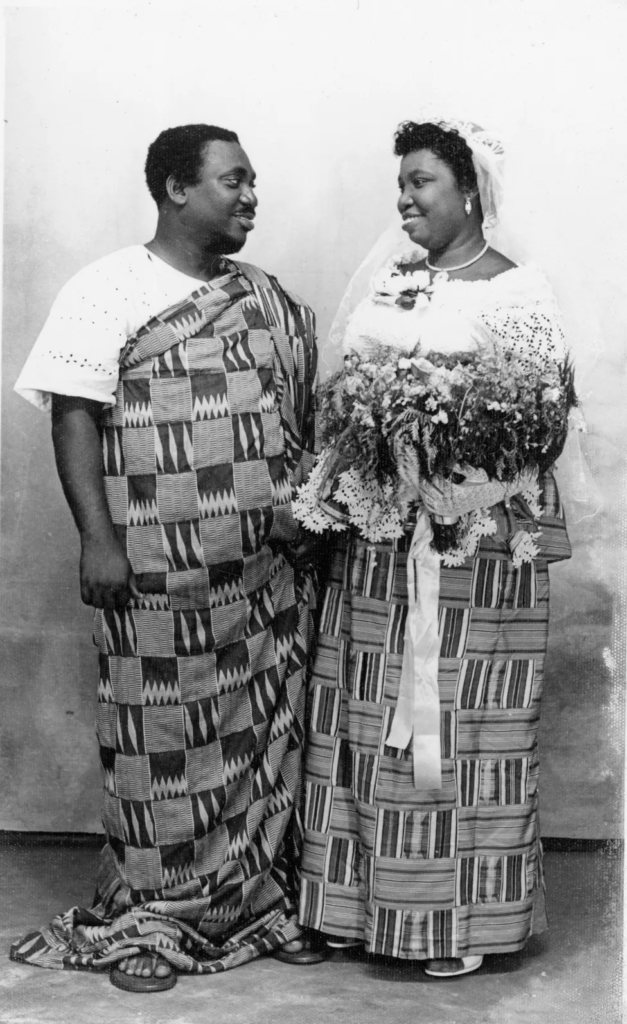
By the 1970s, the wedding clothes were still formal but the suits became more relaxed and some took to wearing traditional Ghanaian kente cloth and felt able to smile in the photograph.
The studio, in the city's commercial Jamestown district, was a magnet for those who wanted a memento of their lives.
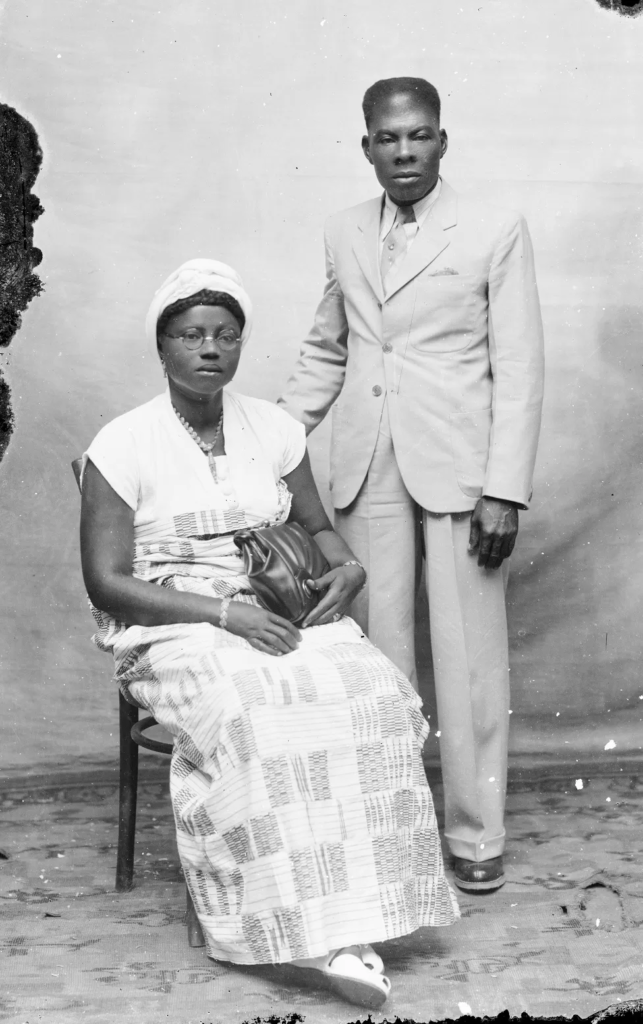
It was close to a lot of churches and people often came in wearing their Sunday best like the two below in the 1930s, hoping the camera would capture them looking their finest.
The vast archive of photographs is now in the hands of Bruce-Vanderpuije's grand-daughter, Kate Tamakloe.
The Deo Gratias studio, still in the same place where it was founded just over 100 years ago, has stacks of old pictures and glass plates in its darkrooms, she says.
"It's exciting to see them and see how Ghanaians lived and looked like then."
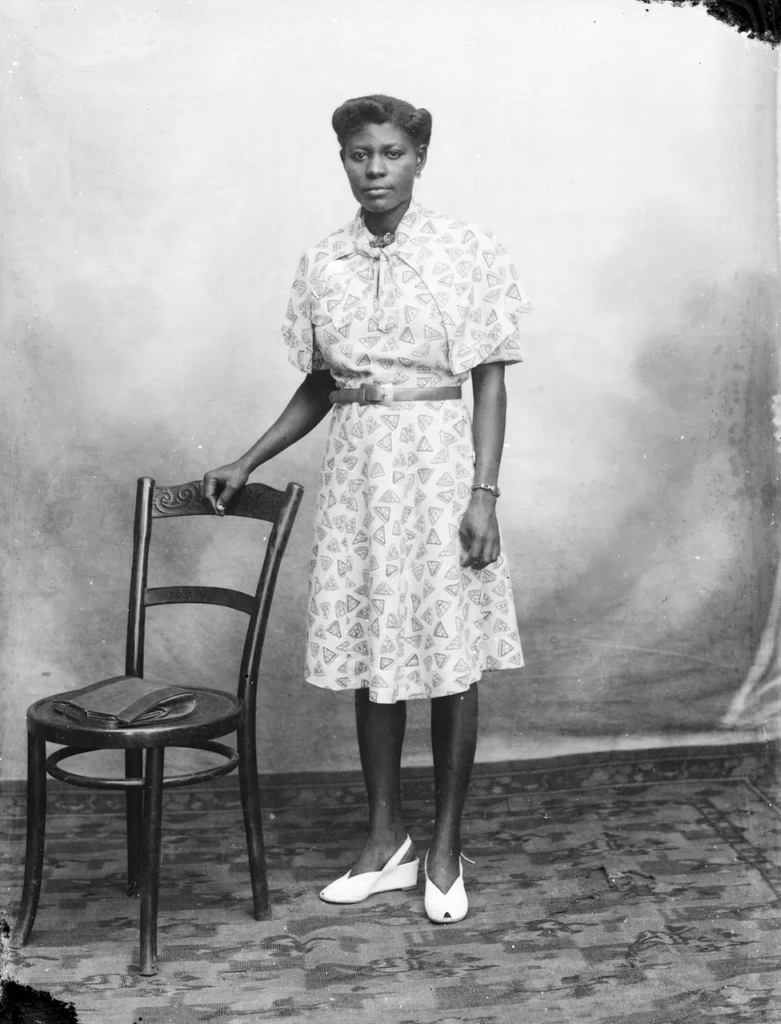
There are also envelopes full of old passport photos, dating from a time when going to a professional studio was the only way to get a picture for an official document.
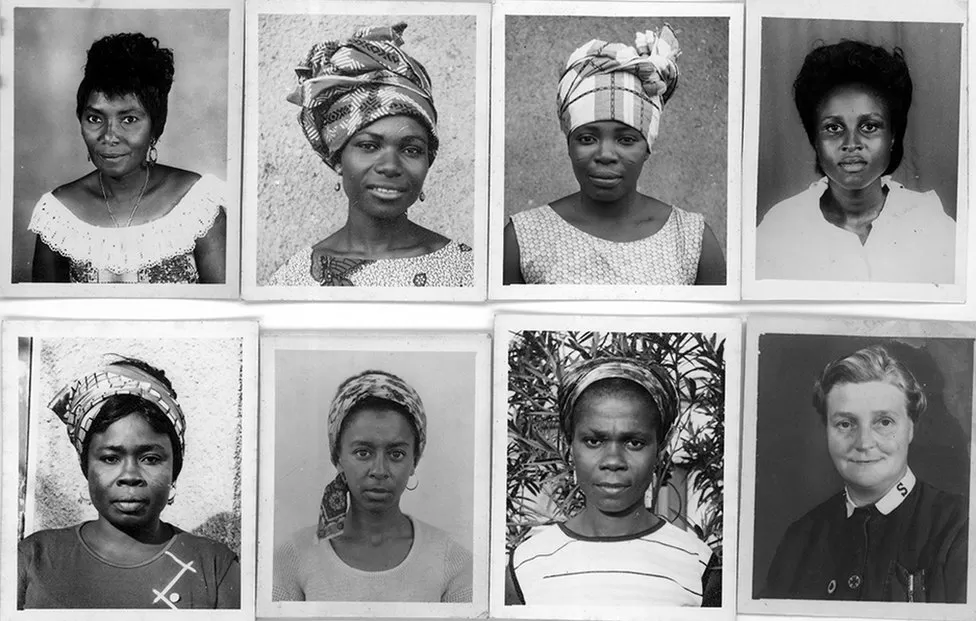
Looking at the pictures now and meeting the gaze of the person in the photograph, there is a profound sense of staring into the past. But there are a lot of unanswered questions.
Ms Tamakloe is left with some dates of when the photographs were taken, but most of the subjects' names have been lost.
She is now trying to sort through them and gradually digitise the archive so that more people can see it.
"I really want to put them out there and watch people get excited to identify their relatives, so that people can tell the story of every photo," she says.
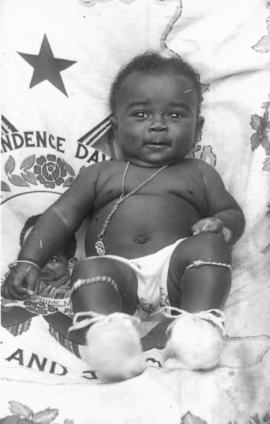
Baby pictures were also a mainstay for Bruce-Vanderpuije.
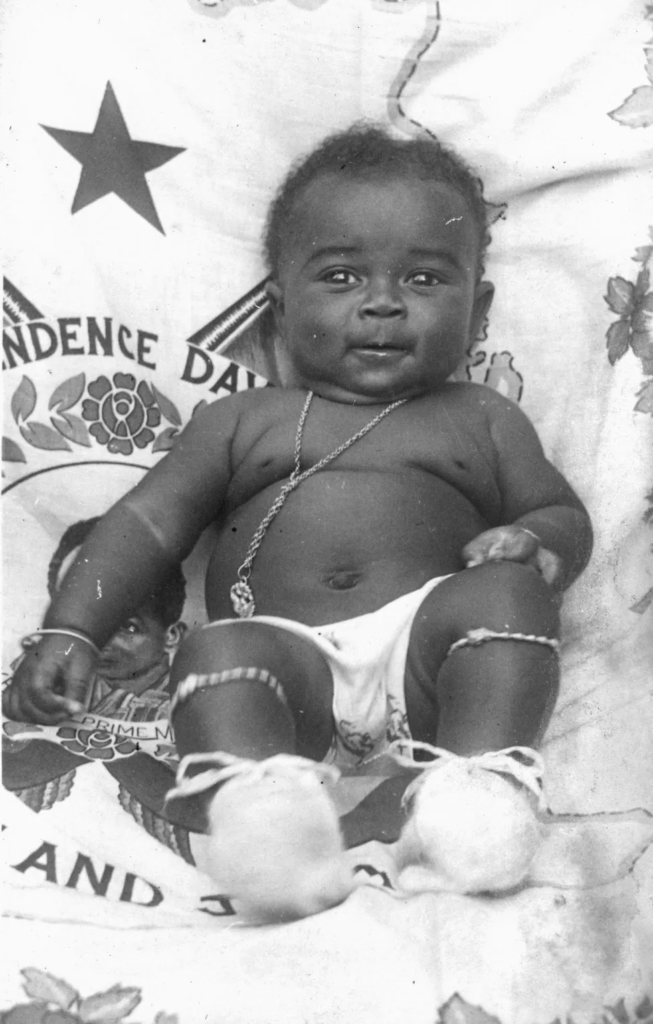
Around the time of Ghanaian independence, which fell on 6 March 1957, two proud parents brought their child to the studio to be photographed.
He is sitting on a cloth marking the birth of a new nation with a portrait of then-Prime Minister Kwame Nkrumah.
There are thousands of others like this of people who went on to become citizens of a new country.
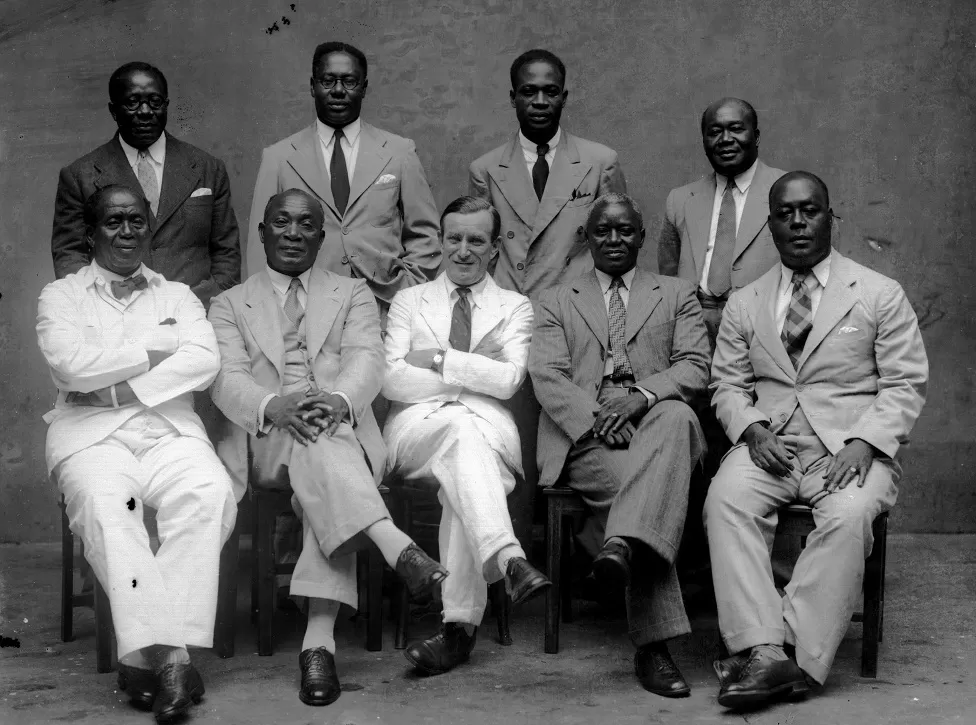
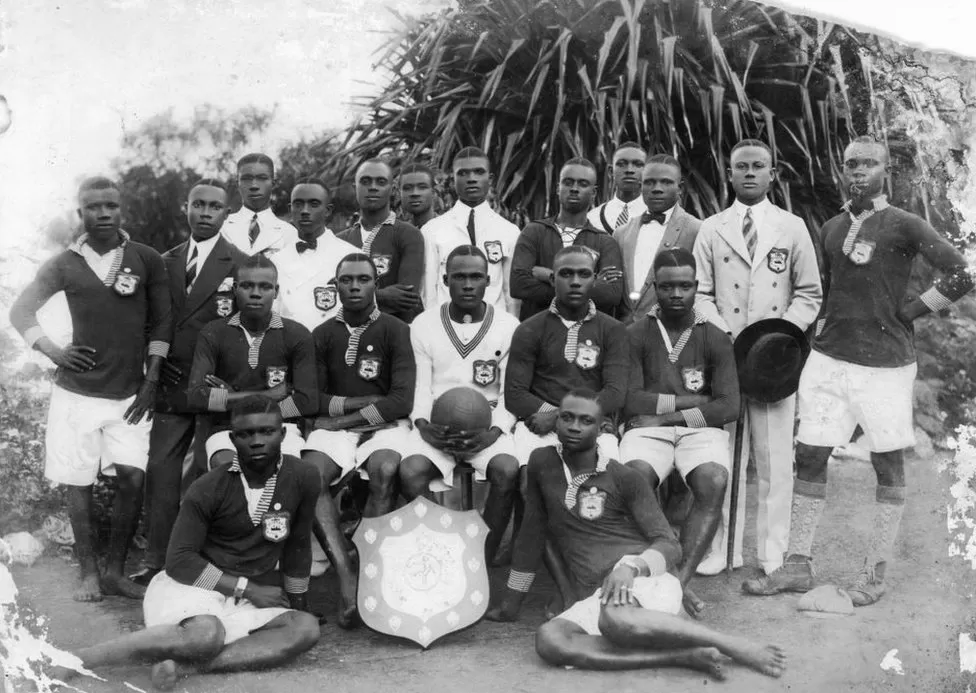
As a man with a camera, Bruce-Vanderpuije was in demand by all sorts of groups, including those in the vanguard of the independence movement.
In 1948, he took the picture above of the leaders of the United Gold Coast Convention (UGCC), who posed for the photo along with their British lawyer Dingle Foot.
The men are considered to be the country's founders. Among them was Nkrumah (top row, second from right), who later broke away from the UGCC and led Ghana to independence.
JB Danquah (bottom row, second from right), established the party and is said to be the person who came up with the name Ghana. Edward Akufo-Addo (top row, first on the left), later went on to serve as president and was the father of the current president.
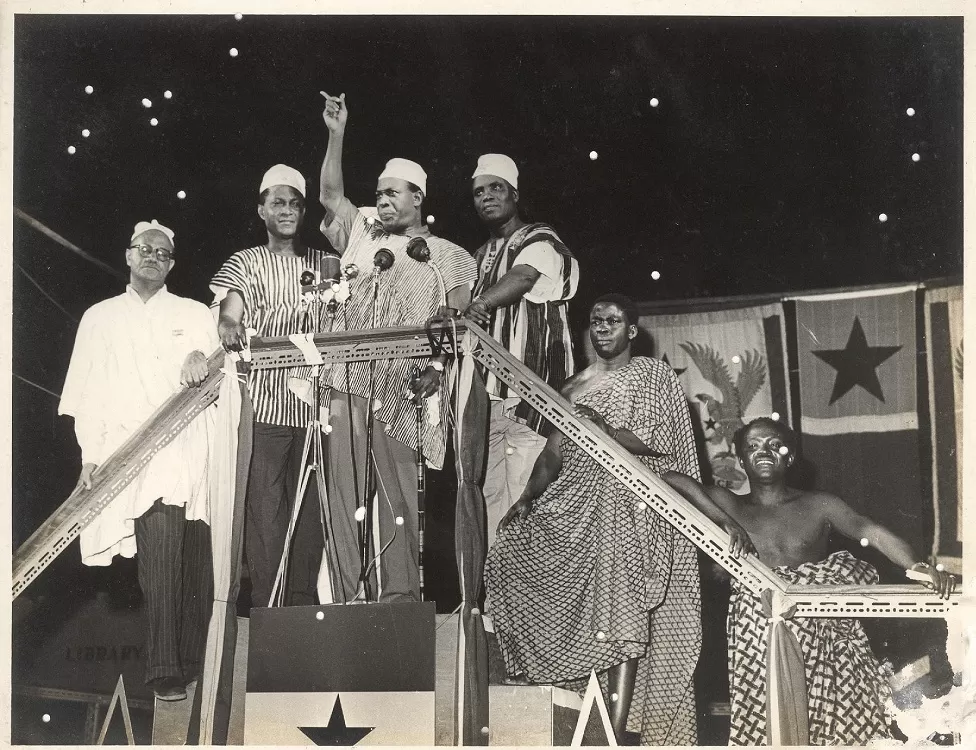
"At long last the battle has ended! And thus Ghana, your beloved country, is free for ever," Nkrumah told the crowds at independence just after midnight on 6 March 66 years ago.
Bruce-Vanderpuije got out of the studio and was there to capture the famous moment, but it is the host of other images of unknown people that are in a way more significant.
They provide a snapshot of the lives of less celebrated people.
What Ms Tamakloe wants to do now is "exhibit all these photos… and tell the Ghanaian story to the world".
Latest Stories
-
Ayew brothers among Ghanaians without clubs after transfer window closes
6 minutes -
GPHA records GH¢2.82bn net profit as revenue rises to GH¢7.62bn
12 minutes -
Today’s front pages: Thursday, September 3, 2026
17 minutes -
Police arrest over 10 students over Okuapeman-Mount Sinai clashes
34 minutes -
WAFU B WCLQ: Ampem Darkoa Ladies thrash Dynamique FC to reach final
2 hours -
Chief Justice should avoid partisan political arena – Prof Kwaku Asare
2 hours -
GMTF Administrator hails Mintah Akandoh’s support as Fund marks first year
2 hours -
GPHA honours 410 staff for outstanding service
2 hours -
BoG slashes September FX support to $500m as GoldBod boosts dollar supply
2 hours -
GNFS rolls out automated fire compliance system
2 hours -
SOE profit at GH¢19.8bn: I call it a miracle, but it’s not operational efficiency – Dr Atuahene
2 hours -
SHS violence: Government must review discipline policy – IFEST
2 hours -
Nana Akomea leads NPP First Vice Chairman race in new poll
3 hours -
Ato Forson begins groundwork for Mahama’s $10bn New Economy agenda
3 hours -
SHS violence: Peter Anti demands intelligence-led security in schools
3 hours