


Audio By Carbonatix
Some selected judges and members of Civil Society Organisations (CSOs) have endorsed a Commonwealth Human Rights Initiative (CHRI) Right To Information (RTI) training manual for judges in Ghana.
The event which brought together key stakeholders like the Coalition on the RTI, Parliament of Ghana, RTI Commission, RTI Division of Information Ministry and some selected judges was to provide a platform for them to validate the draft training manual and to finalise the document for usage.

The CHRI says the efforts leading up to the passage of the RTI Law were marked by robust civil society advocacy including engagement and lobbying of the Legislature and the Executive.
However, the Judiciary was not engaged during the period of strong activism
Programmes Manager of the CHRI Esther Poku-Aduhene says the training manual will help apprise judges of both local and international dynamics of the law.
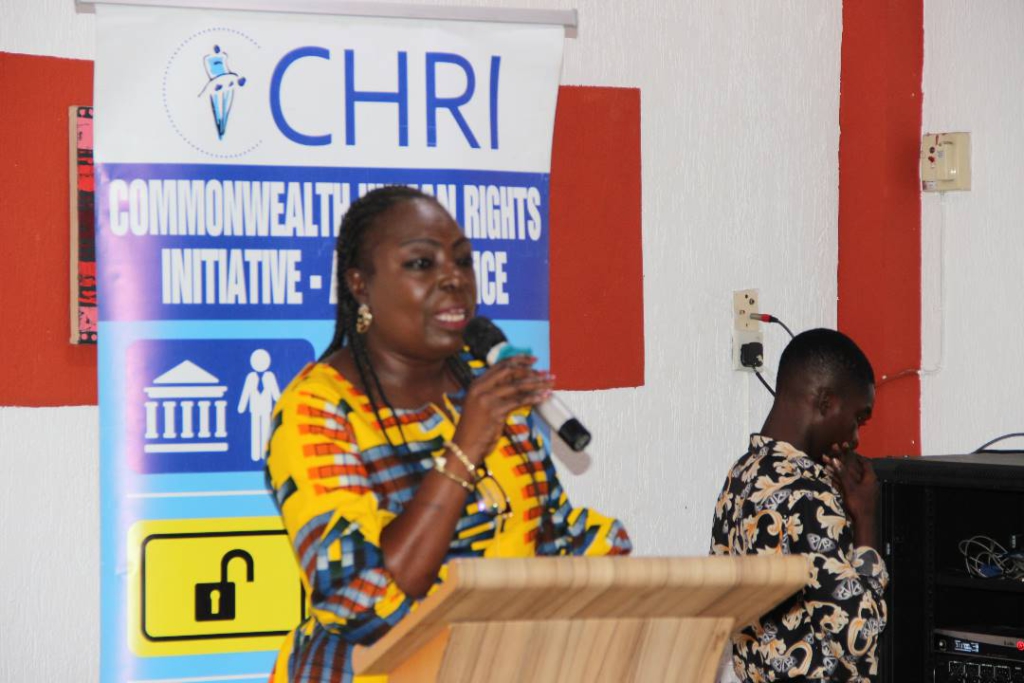
She says the judiciary is the only avenue available for enforcing citizens’ right to information.
This is affirmed by Article 36 (1) of Act 989, which affords access to information applicants the opportunity to apply to the High Court of Ghana for judicial review on a decision on an RTI request. Hence, the judiciary plays a critical role in the successful implementation of the RTI.
She said, “We did not have to make a lot of changes, the feedback from the judges and participants was very positive. So I know we are on the right path.

"So as part of this process, we will also support the work of the Judicial Training Institute to provide training for selected judges as a way of testing the training manual”.
Director of Advocacy and Policy Engagement at the Ghana Center For Democratic Development (CDD-Ghana) and a member of the RTI Coalition, Kojo Pumpuni Asante said, “We went through the training manual, there has been been a lot of input and discussion with the Judicial Training Institute and I think this meeting basically confirmed that it was a very good training manual.
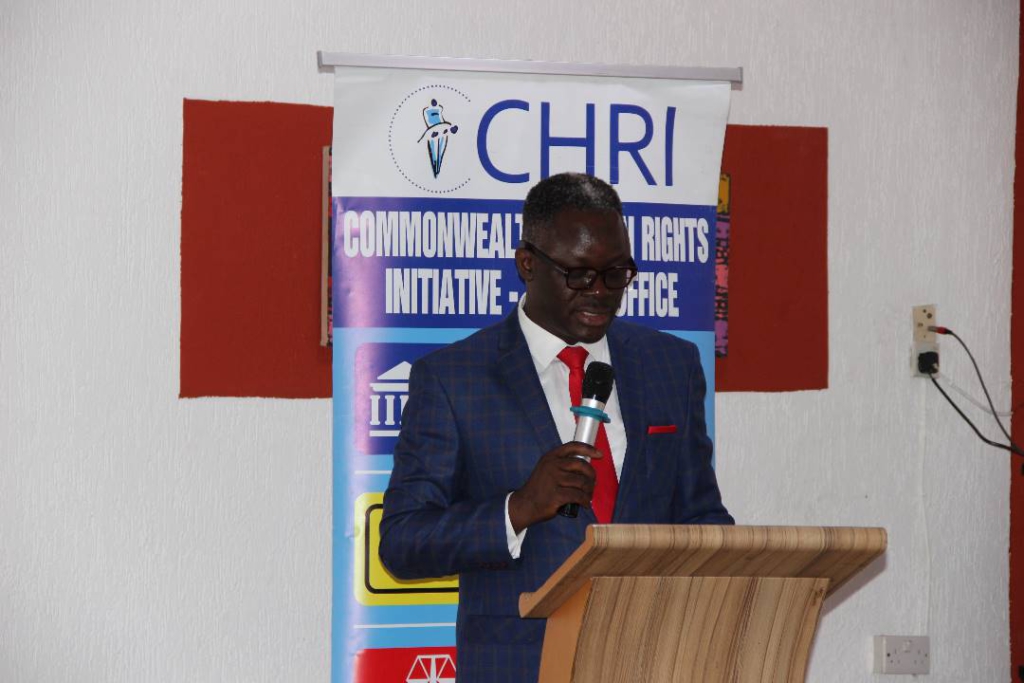
"About five modules will focus on what we understand by the RTI, understanding the legal principles that have to be applied. Not just locally, but internationally. The benefits of RTI and more.
"So I think that now that we have this training manual validated, the Judicial Training Institute can go ahead and train judges with it ”
The CHRI and the Coalition on the Right to Information, Ghana in partnership with the Judicial Council with support from the Open Society Initiative for West Africa (OSIWA) developed the training manual as part of efforts to support selected key stakeholders to effectively perform their function under the law.
Latest Stories
-
Prof. Kwofie urges publishers to use indigenous knowledge systems to decolonise AI
3 hours -
NDC’s two years of economic gains not enough to establish stability – Alan Kyerematen
3 hours -
AFCON 2027Q: Nine new call-up for Cote, The Gambia matches
3 hours -
Ghana’s MSMEs: Burdened by regulation and overtaxed; why the system isn’t working
4 hours -
Patience Akyianu, former Barclays Bank Ghana MD and Hollard Group CEO, reported dead
4 hours -
Mahama pushes ‘health sovereignty’ agenda, says Global South needs control over resources
4 hours -
Mahama: We are reforming systems, fighting corruption and improving use of public funds
4 hours -
Catholic Bishops welcome task force to tackle drug menace, acknowledge inter-agency efforts
4 hours -
Ghana Catholic Bishops demand urgent action against drug trafficking
4 hours -
Tamale: 5 arrested over suspected drug activities; police seize pistols, narcotics
4 hours -
We have lost a great developer – Mankranso residents pay tribute to late DCE
4 hours -
Ghana Law Society sets September 30 for maiden Bar Conference on legal reforms
5 hours -
GPL Week 3: Port City’s Gyetuah bags a brace as 9 outstanding players named NASCO Players of the Match
5 hours -
Visibility without substance is just noise; I don’t seek popularity—Dr Oppong-Fosu
5 hours -
The late Abubakar Sedik was an exceptional DCE – Ashanti Regional Minister
5 hours