

Audio By Carbonatix
The General Agriculture Workers Union (GAWU) has raised concerns over the surge in illegal rice imports infiltrating the country's markets.
According to the union, although official data indicates a decline in rice imports over the past three years, this decline is not reflected on the ground.
They observe a significant amount of foreign rice being smuggled into the country through unapproved routes.
The general secretary of GAWU, Edward Kareweh, stated that their market assessments and investigations in border communities reveal the presence of rice brands sourced from Togo, Cote D’Ivoire, and Burkina Faso.
The illegally imported rice is priced between 20 to 30% cheaper compared to locally produced ones, creating an unfair advantage in the market.
Mr Kareweh cautioned that this situation threatens to undermine the local rice industry, as local producers struggle to compete effectively.
“For those in the northern part of the country, much of their rice imports are now coming from Burkina Faso and Togo, and that is how it has flooded the system.
“When we say that our import values are declining, it is because we are not able to capture the illegal entry of the rice and that is the one that is choking the system because they are cheaper,” Mr. Kareweh said.
President Akufo-Addo informed Parliament on Tuesday, February 27, that rice imports experienced a notable decrease of approximately 45% between 2021 and 2023.
The President during the State of the Nation Address, said rice imports totaled 805,000 metric tonnes in 2021, 650,000 metric tonnes in 2022, and 440,000 metric tonnes in 2023.
However, the General Agriculture Workers Union says despite the decline in imports, which coincided with an increase in rice consumption, the local rice industry did not experience the anticipated growth.
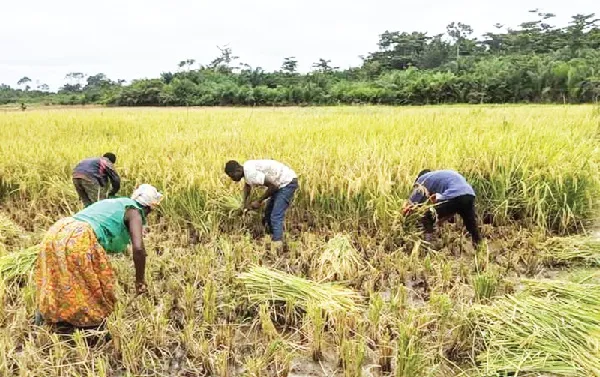
“Farmers in the Northern part of the country have harvested their rice, but they cannot get market. A rice mill at Savelugu has been complaining that they will shut down because when they process the rice there is no market for it.
“This is because the rice market is flooded with imported rice,” he added.
Latest Stories
-
Ghana explores centre of excellence for hearing, communication and cochlear implant care
1 hour -
Schizophrenia-related disorders lead mental health cases recorded in Ghana
1 hour -
Dutch authorities enlist Ghana in hunt for fugitive drug lord Bolle Jos
2 hours -
Ghana housing finance conference adopts communiqué to improve affordable housing access
6 hours -
Special Initiatives Minister urges Wa Technical Institute to enrol more girls as EU-backed solar training lab opens
7 hours -
In the matter of my first year at the Bar
7 hours -
ActionAid Ghana calls for an end to child marriage, greater investment in girls’ rights
7 hours -
Newsfile to tackle World Cup visa scandal, beach demolitions, education strikes, BRICS bid
7 hours -
UK-Ghana Trade & Investment Summit: Trade Resource Centre to help businesses maximise UK-Ghana trade opportunities
8 hours -
Embassy of Denmark celebrates World Maritime Day
8 hours -
Linking LEAP to productive inclusion could cut extreme poverty by 2030 – UNICEF
9 hours -
Trade Ministry backs use of creative arts to rehabilitate prison inmates
9 hours -
Negotiations with government to continue despite strike suspension – GNAT
9 hours -
‘Ghana cannot afford to waste public resources; every cedi has a job’ – Ato Forson
9 hours -
Ghana expects economic boost as World Assemblies of God Congress brings 10,000 delegates to Accra
9 hours