

Audio By Carbonatix
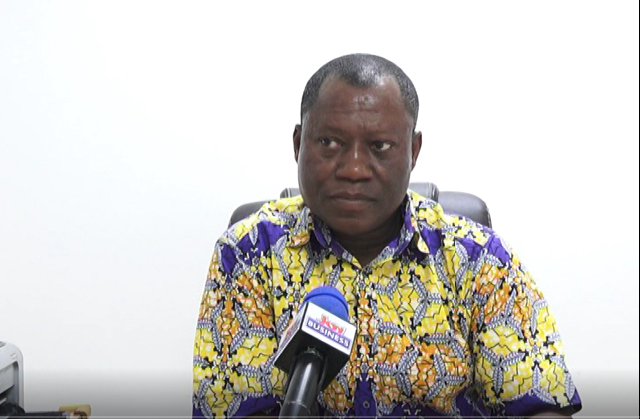
The General Secretary of the Ghana Food and Beverages Association of Ghana (FABAG), Samuel Aggrey, has raised alarm over the increasingly dire economic situation in Ghana.
Speaking on JoyNews’ PM Express, Mr Aggrey highlighted the exodus of multinational companies due to the unfavorable taxation policies and economic conditions prevailing in the country.
He underscored the need to address these issues to prevent a further economic downturn.
“The situation is getting dire. If you look at companies and service providers like Glovo, Jumia, Game, and others contemplating the possibility of leaving because of the economic situation we have.
“If you look at the taxation policy that we have in this country, it is actually not helping some of these businesses who have come in and invested so much,” he said on Thursday.
In recent years, Ghana has faced significant economic challenges characterised by high inflation rates, fiscal deficits, and currency depreciation. Also, the country has grappled with structural issues such as high public debt levels, limited diversification of the economy, and inefficiencies in public sector management. These factors have contributed to a lack of investor confidence, hindering foreign direct investment and economic development.
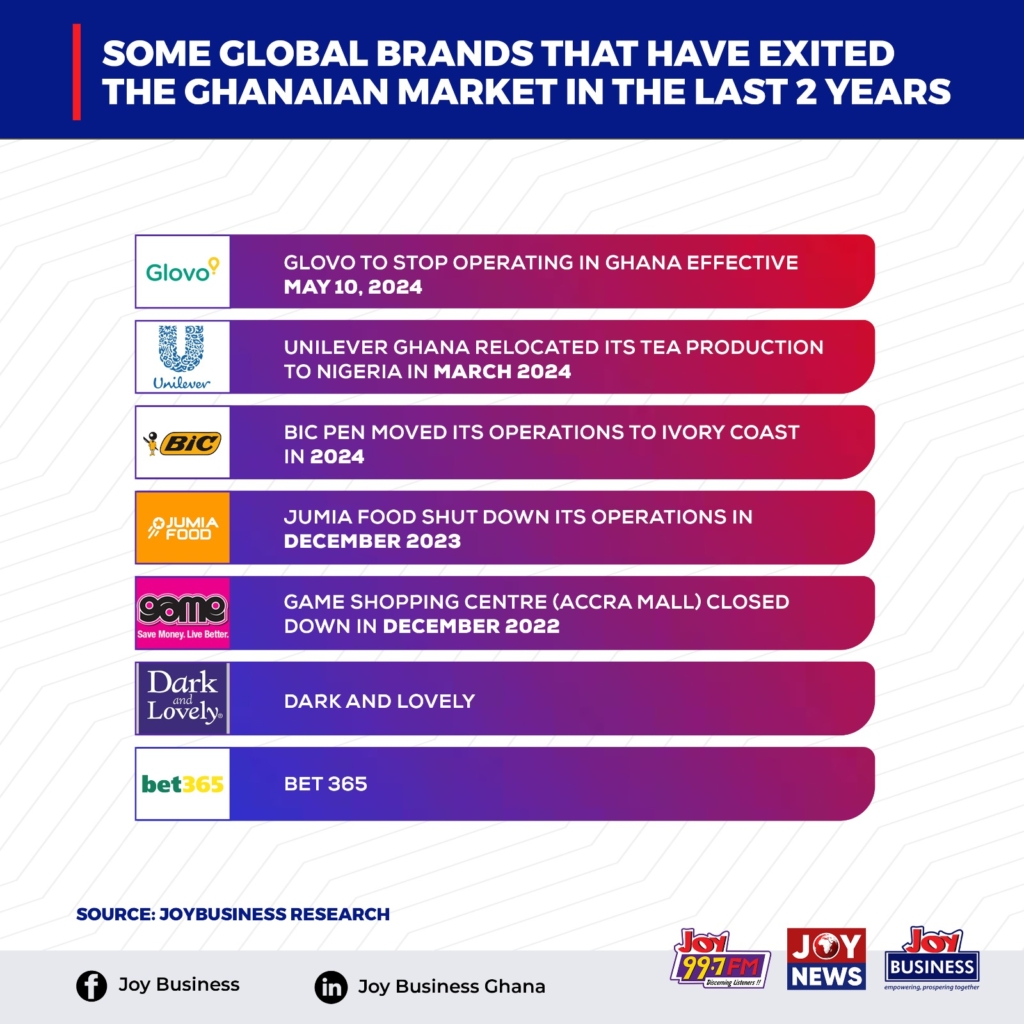
Therefore, Mr Aggrey is concerned about the increasing departure of international companies.
He highlighted the irony of Ghana's self-proclaimed status as the gateway to Africa juxtaposed with the harsh realities faced by investors on the ground.
Despite the government's efforts to attract foreign investment, he noted that the current economic climate is deterring rather than encouraging multinational companies to establish and maintain operations in the country.
“We tout ourselves as the gateway to Africa and encourage investors to come to Africa, particularly Ghana, to do business. But when you come in and you invest, you realise that it is a different ball game altogether."
He therefore stressed the importance of re-evaluating existing policies to make Ghana a more attractive destination for multinational corporations.
He urged policymakers to consider the impact of taxation policies on the economy and the sustainability of foreign investments in the country.
Latest Stories
-
Bono Region faces doctor shortage as only 7 of 20 posted doctors report – Deputy Health Minister
2 minutes -
Mahama to cut sod for 160-bed referral hospitals in Oti, Savannah and Western North
3 minutes -
Dr Kwame Nkrumah’s birthday celebration: Africa must heed Nkrumah’s vision of unity – Prof. Lumumba
5 minutes -
Dr Nyaaba calls for green financing to help farmers switch to solar-powered irrigation
6 minutes -
Investor sentiment towards banking stocks to remain positive
11 minutes -
Ghana’s happiness index averages 4.70 as study flags concerns over governance, environment
11 minutes -
Parents urged to seek early treatment for childhood cancer
12 minutes -
AngloGold Ashanti Obuasi mine promotes inclusion through neurodiversity awareness programme
13 minutes -
TVET Service warns institutions against unauthorised fees during admissions
16 minutes -
Paramount settles lawsuit with US states, clearing way for $110bn merger with Warner Bros
16 minutes -
GIRSAL calls for affordable financing and technical support for Ghana’s smallholder farmers
16 minutes -
Kwame Danso 24-hour economy market project five percent complete – Minister demands improvement
17 minutes -
Ghana’s maternal mortality rate three times above SDG target – Mahama
19 minutes -
Afro Caribbean Creative Bridge forum: Stakeholders call for stronger intellectual property, copyright protection for creatives
22 minutes -
AFCON 2027Q: Antoine Semenyo withdraws from Ghana squad with ankle injury
24 minutes