

Audio By Carbonatix
Environmental consciousness has become critical in every aspect of our social and economic lives so much so that the transition towards sustainable practices is not just a choice but a necessity. In Ghana, the Bank of Ghana launched the Sustainable Banking Principles Committee signalling the beginning of work on developing sustainable banking principles.
The Principles are to assist banks in responding to the emerging global megatrend issues, such as human security, anti-money laundering, socially responsible stewardship, information communication transparency and disclosure, corporate integrity, and environmental and climate change. One area where this shift is particularly evident, in the banking industry, is in the realm of payment cards.
Many countries across the world have begun bidding farewell to traditional plastic cards, which have long been a staple in our wallets but detrimental to our planet. With the death of traditional cards is the emergence of eco-friendly payment cards heralding a new era of responsible banking and consumerism.
Sustainability, as the foundation of our society’s progress, is inextricably linked to our ability to preserve critical natural resources for the well-being of current and future generations. The staggering statistic of over 3 billion plastic payment cards supplied worldwide annually underscores the urgency of re-evaluating our consumption patterns. Traditional plastic cards, with their petroleum-based origins and non-biodegradable properties, pose a significant threat to the environment throughout their lifecycle, from production to disposal.
Eco-friendly payment cards, on the other hand, are crafted from recycled plastics, biodegradable materials, or innovative components like wood or paper. These cards represent a paradigm shift in the banking industry’s approach to sustainability. By reducing reliance on scarce resources, minimizing plastic waste, and curbing emissions during production and disposal, eco-friendly cards align with the principles of sustainable development.
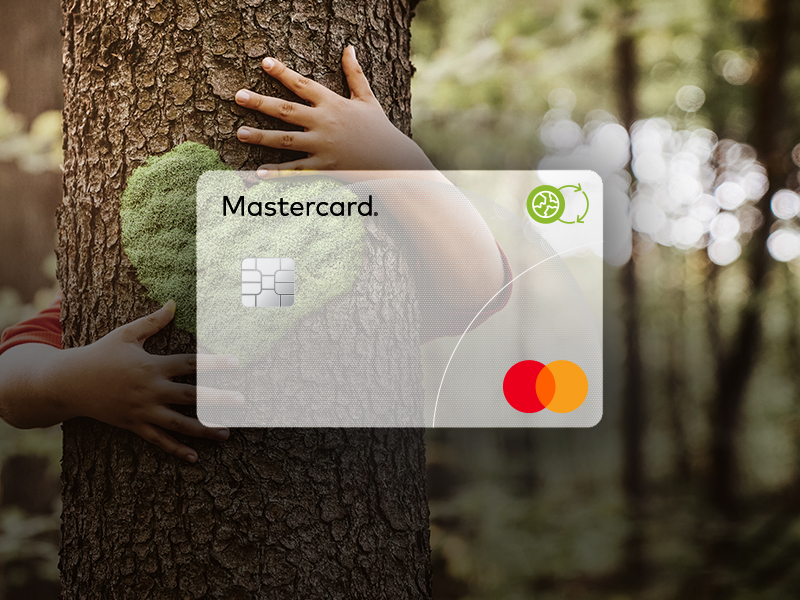
Banks and financial institutions, cognizant of consumer demands for eco-sensitive products, are spearheading the transition towards greener card offerings. From incorporating recycled plastics into production to exploring biodegradable or compostable alternatives, these institutions are paving the way for a more environmentally conscious banking sector. However, challenges such as cost implications, limited availability of sustainable options, and technological compatibility issues underscore the need for concerted efforts across stakeholders.
Several examples highlight the strides made in promoting eco-friendly payment cards. Starling Bank’s commitment to branchless, paperless operations powered by renewable energy is exemplified by its recyclable plastic debit cards. Similarly, DBS Bank’s Live Fresh credit cards, made from 85.5% recycled PVC material, offer cardholders incentives to support eco-friendly businesses – a testament to the symbiotic relationship between sustainability and consumer rewards.
Technological innovations further bolster the case for eco-friendly payment cards. Thales’ investment in PLA-derived cards, reducing PVC usage by over 80%, underscores the potential for ground-breaking solutions in sustainable card manufacturing. However, realizing the full potential of eco-friendly cards requires a multifaceted approach encompassing regulatory frameworks, public awareness campaigns, and collaborative partnerships.
Regulations mandating sustainable card offerings, coupled with educational initiatives and consumer advocacy, can stimulate demand for eco-friendly products. Collaboration among stakeholders – banks card manufacturers, regulators, and environmental organisations—is pivotal in driving innovation and best practices. By prioritizing sustainability, banks not only enhance their brand reputation but also future-proof their operations in an increasingly eco-conscious market landscape.
Embracing sustainability in card production and usage is not just a moral imperative – it is a strategic business decision with far-reaching benefits. As consumer preferences pivot towards sustainability, organizations that champion eco-friendly practices stand to gain a competitive edge while safeguarding the planet for generations to come. In the journey towards a greener economy, eco-friendly payment cards represent a tangible step forward – one transaction at a time.
*****

The writer, Kojo Sampson is the Head of Cards, Personal and Private Banking at Stanbic Bank Ghana
Latest Stories
-
Black Stars: Seven years of decline while hashtagging love
10 minutes -
Today’s front pages: Thursday, October 1, 2026
11 minutes -
Gov’t to suspend GH¢1 D-Levy on diesel for October and November
43 minutes -
Fire destroys belongings in Akweteyman apartment
1 hour -
Baffour Awuah to turn himself in to EOCO today – JoyNews sources
1 hour -
Government identifies payment discrepancy holding up teachers’ strike resolution
2 hours -
BoG signals no FX intermediation for October as GoldBod plans $1bn support for banks
2 hours -
When share ownership becomes personal: The African mindset of the Dangote IPO
2 hours -
Why MFWA Legal Fund matters to Ghana’s democracy
2 hours -
Fuel prices to rise from October 1; diesel could hit GH¢19.60 – COMAC
2 hours -
Parliament must investigate how 3.9 tonnes of cocaine left Ghana undetected – Samuel Jinapor
2 hours -
Government pledges to pay striking teachers as payment dispute is resolved
2 hours -
Government cannot investigate drug exports under its own watch – Abu Jinapor
2 hours -
Government extends GH¢2 diesel subsidy for two more months
2 hours -
GTEC flags over 100 tertiary institutions as unrecognised
2 hours