

Audio By Carbonatix
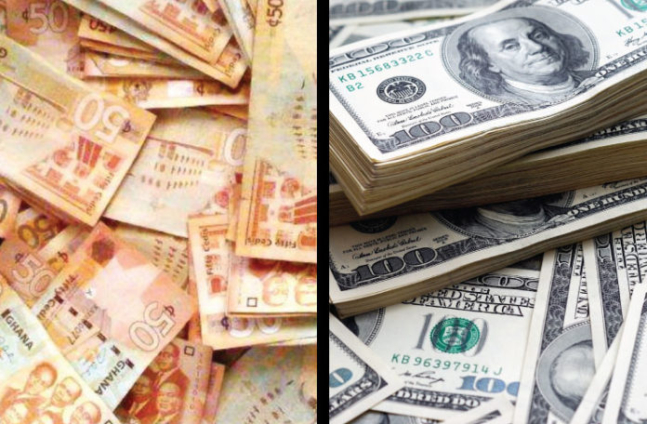
Speculative demand for the dollar, payments to Independent Power Producers (IPPs) and contractors, faster growth in imports, corporate demand for dollars and seasonality pressures have underscored the cedi's bearish run.
According to GCB Capital, while the performance under the 3-year International Monetary Fund-supported programme has been impressive so far, with the macroeconomic and structural reforms broadly on track amidst the emerging signs of economic recovery, the local currency remains bearish.
It pointed out that the relatively stable start to the year has given way to patches of pronounced depreciation from late February into March 2024 and through May 2024, with the indicative US dollar/Ghana cedi retail rate drifting past the GH¢15/US$ market.
“The general macroeconomic uncertainties, Ghana's history of election-induced fiscal slippages, and the protracted negotiations around external debt exchange continue to fuel negative sentiments around the cedi's outlook in the near term, underscoring the rife speculative demand pressures on the FX market. Additionally, seasonality effects from the corporate sector, the sharper increase in the import bill through quarter one 2024, and IP-related and contractor payments, among other factors, have also enhanced Ghana cedi liquidity levels and continue to fuel speculative tendencies”, it added.
While the Bank of Ghana and the Ministry of Finance have deployed moral suasion as the main tool to calm sentiments, assuring investors of adequate reserves to meet the market's needs, GCB Capital said it appears investors will hold out for hard evidence of fiscal discipline to complement the recovery in other macroeconomic indicators.
“The pronounced revenue gap in quarter one of 2024 and the frontloaded expenditure for the period already yielded a higher primary deficit (on commitment) of 0.7% Gross Domestic Product (versus target:-0.2%). This fiscal outturn will require a stronger revenue performance through the remaining quarters of 2024 and a commitment to fiscal consolidation and expenditure rationalization to restore a balance, which is key for anchoring sentiments”, it continued.
“We welcome the targeted support to selected corporates to ease the FX [foreign exchange] pressure buildup and the partnership with the Ghana Association of Bankers to streamline documentation around foreign payments to minimise the incentives to resort to the parallel market”, it stated.
It concluded that beyond the clamp-down on advertised rates, stricter supervision and enforcement of foreign exchange rules could be more effective in quelling the speculative pressures.
Latest Stories
-
GMTF Administrator hails NHIA boss on first anniversary
45 minutes -
Today’s Front pages: Friday, September 4, 2026
58 minutes -
From Kantamanto to the TEDx Stage: How waste became innovation
58 minutes -
MMDCEs charged to ensure Landing Beach Committees do not sell premix fuel beyond approved prices
2 hours -
The Inconvenient Truth: Democracy does not fail in The Chamber, it fails in the Committee Room
2 hours -
There is absolutely nothing wrong with what the Chief Justice said
2 hours -
App launched to help Ghanaians verify prospective partners’ marital status before marriage
2 hours -
‘I have gone through a lot these past 2 days’ – A-Plus reveals after New Winneba violence
3 hours -
DBG takes GH¢2.5bn development funding beyond Accra as it pushes industrial transformation
3 hours -
Vice President Jane Opoku-Agyemang calls for accurate teaching of slavery history in schools
3 hours -
Ghana has duty to preserve slave-trade sites and tell their full story – Vice President
3 hours -
West Africa can be self-sufficient in rice production – John Dumelo
3 hours -
Over 300 arrested over extremist recruitment attempts along northern border – Agalga
3 hours -
Housing Minister seeks shorter construction period for Kaneshie–First Light Road works
3 hours -
Ghana cannot afford complacency over extremist threats – Agalga
3 hours