

Audio By Carbonatix
WASCAL's Waste-to-Energy (W2E) plant in the Atwima Nwabiagya South Municipality, Ashanti Region, has made significant strides since its launch, utilising advanced technologies like solar PV, biogas, and pyrolysis to convert municipal waste into energy.
The facility has become a key centre for research, training, and waste management, advancing Ghana’s sustainable energy agenda.
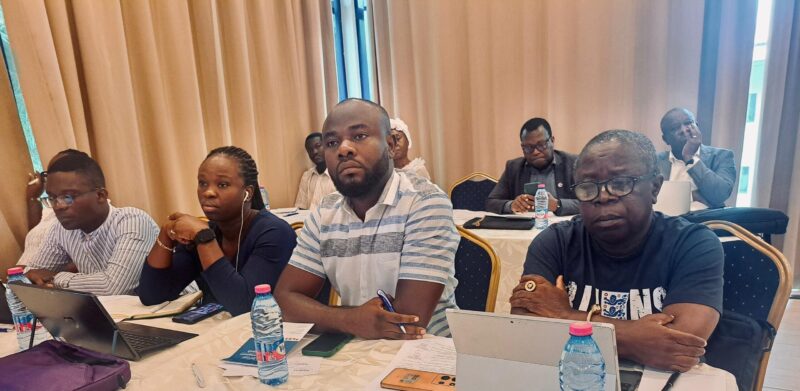
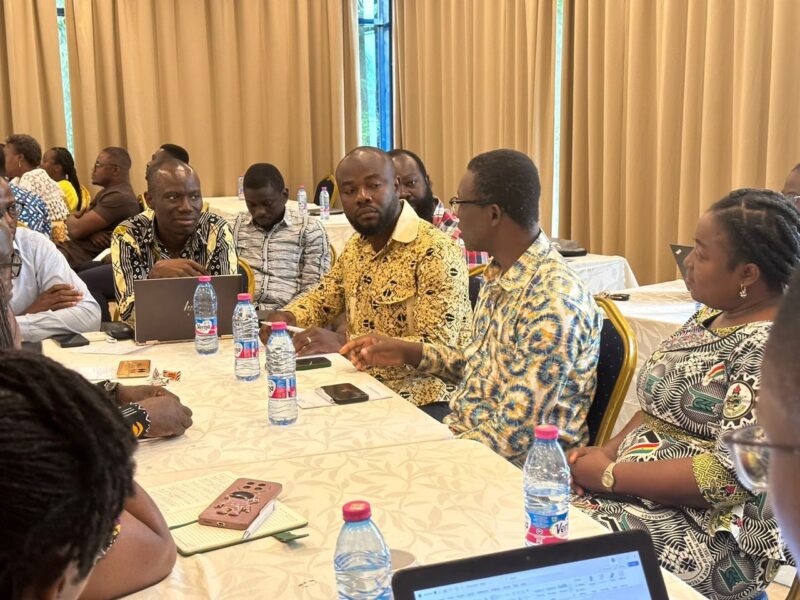
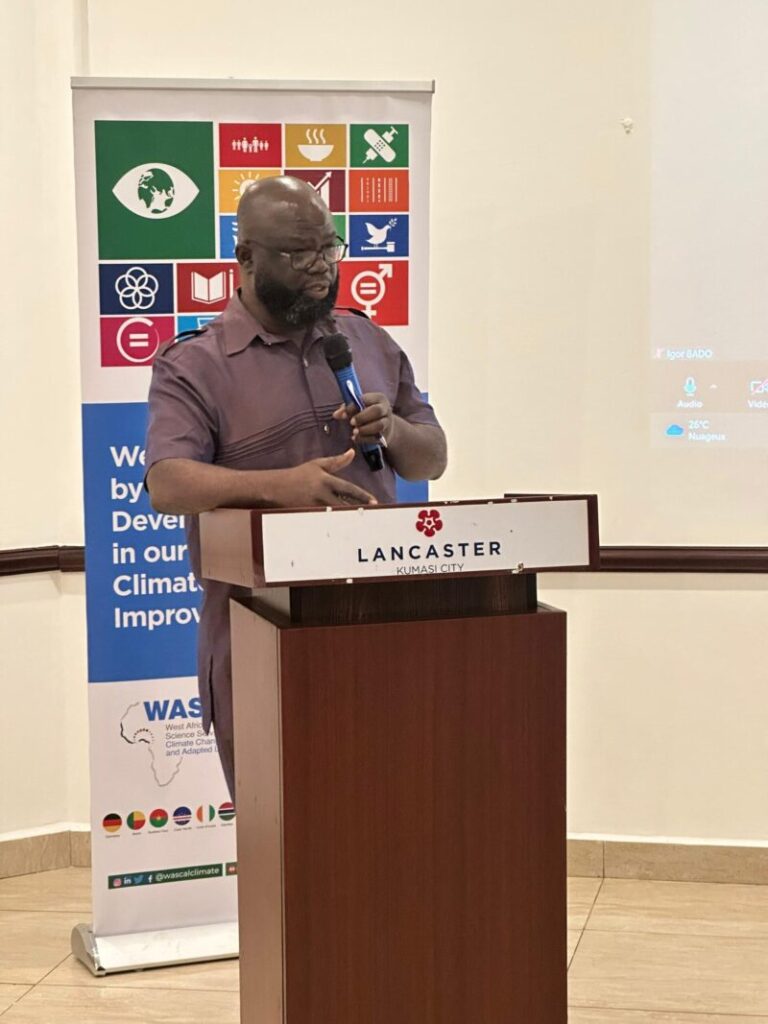
Speaking at the Sustainability Workshop of the W2E Plant, WASCAL’s Executive Director, Professor Emmanuel Wendsongre Ramde, praised the plant’s impact on the country's energy sector, stating:
"Through this initiative, young entrepreneurs have been empowered, crucial technical training delivered, and considerable progress made in plastic waste recycling.
"These milestones signify the initiative's importance in advancing sustainable energy solutions in Ghana."
However, Prof. Ramde also acknowledged challenges, particularly regulatory delays, which have hindered further progress.
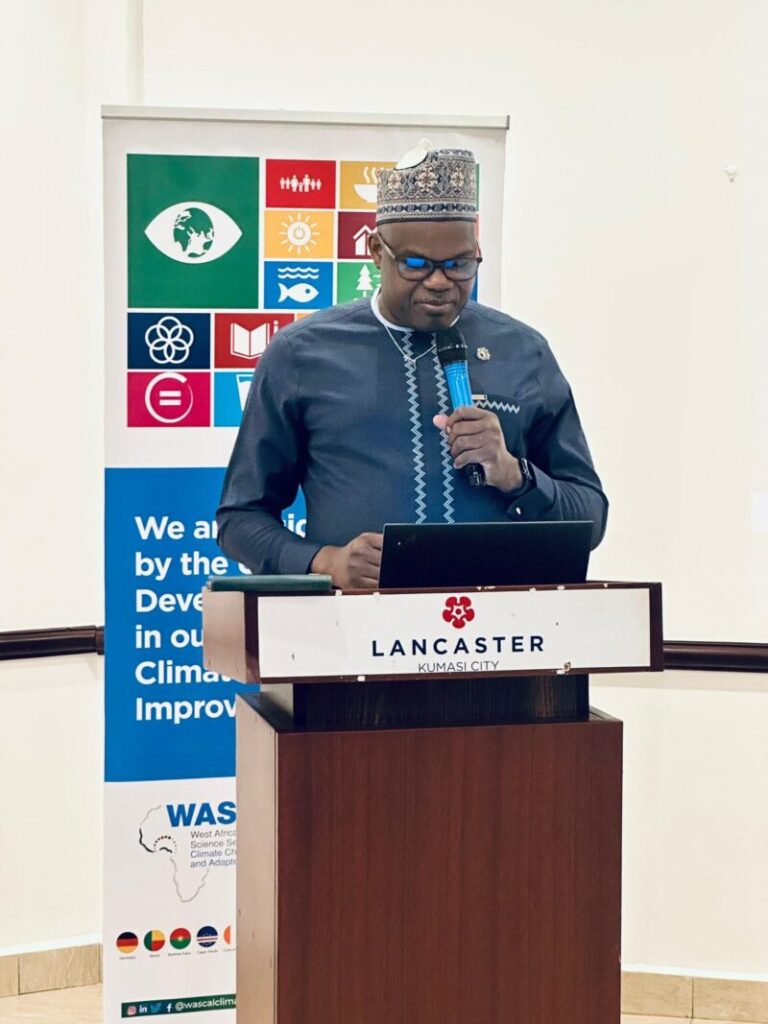
“While efforts have been made to involve Ghanaian operators, one of the major challenges has been regulatory delays, including finalising the Power Purchase Agreement (PPA), which have stalled the plant’s progress.
"This agreement is vital for selling the electricity generated, which is a key element of the project’s financial model," he explained.
Despite these obstacles, the plant remains vital to Ghana's sustainable development goals, and stakeholders are committed to finding solutions.
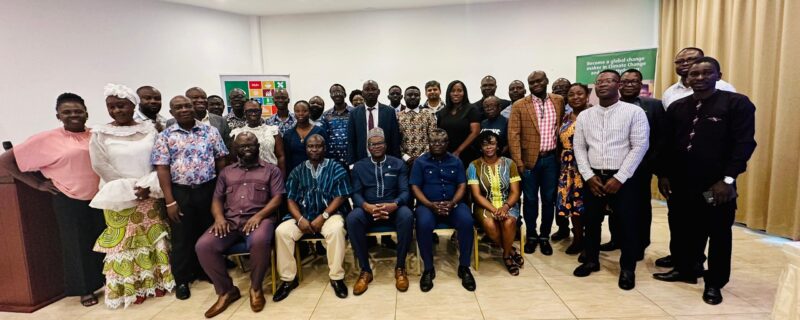
The workshop aimed to develop a comprehensive strategy for the plant's sustainability, ensuring it can continue serving as a model for similar initiatives across West Africa.
Discussions during the workshop focused on practical solutions, selecting new private sector partners, and ensuring the plant’s long-term contribution to Ghana's energy mix.
Kerstin Annassi, representing the German Federal Ministry of Education and Research (BMBF), the project’s funding partner, expressed optimism about the collaboration:
"We are confident this workshop will spur us all on to greater things together. It is crucial to continue working together to generate business opportunities and employment for the region. The Waste-to-Energy plant will benefit local communities, businesses, and the environment."
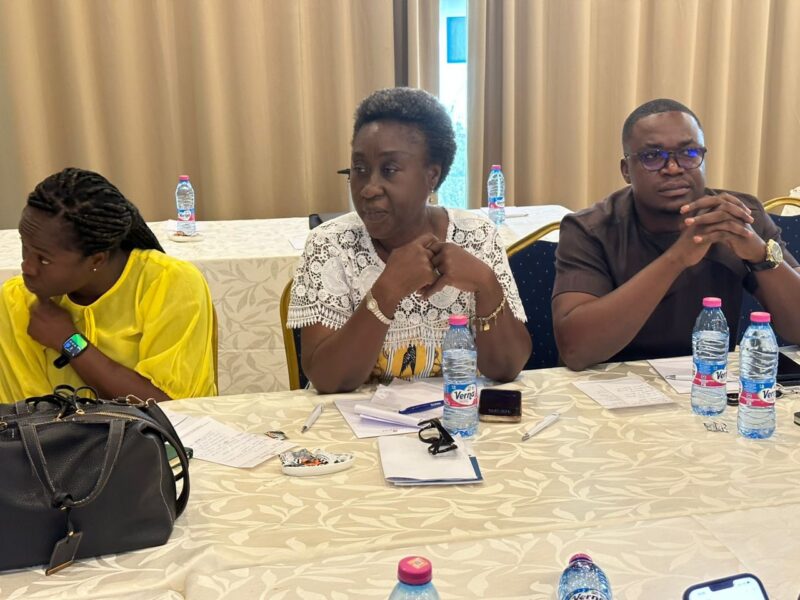
Dr. Francis Agyenim Boateng, Director of CSIR-Institute of Industrial Research, also underscored the importance of collaboration, highlighting the need for partners to work together to secure the project's sustainability.
The W2E plant, inaugurated in 2022, includes a waste sorting system, biogas plant, photovoltaic solar power facility, and a unit that produces granules from recycled plastic waste. These granules are used to manufacture new plastic products, reducing plastic waste in Ghana.
The project is part of a 6-million-euro agreement signed in 2020 between the Government of Ghana, the Ministry of Environment, Science, Technology and Innovation, and WASCAL.
It addresses both energy and sanitation challenges while promoting research in waste-to-energy technologies.
As the workshop concluded, stakeholders left with a clear roadmap for the future, ensuring the W2E plant will continue contributing to Ghana’s energy sector and serving as a model for other West African projects.
Latest Stories
-
GES opens applications for non-teaching staff promotion; here’s who qualifies
10 minutes -
What Is Wrong With Us: We fly halfway around the world to admire discipline, then fly home to tolerate chaos
12 minutes -
Discipline must not become abuse in raising children – ARK Foundation
19 minutes -
Photos: Culture, technology and cuisine take centre stage at Russia’s youth festival
20 minutes -
‘Who approved Laboma structures?’ – Victoria Bright calls for review of permitting system
26 minutes -
“The Darkest Chapter”: Latif Abubakar’s 21st production brings President Mahama’s UN reckoning to the National Theatre stage
30 minutes -
Teacher, three others investigated over alleged kidnapping of suspected MoMo fraudster in Kumasi
31 minutes -
Afenyo-Markin mourns Bernice Offei, describes her songs as ‘sermons set to music’
31 minutes -
Don’t just learn AI tools, use them to improve productivity – ALX Enterprise
38 minutes -
Free rabies vaccination campaign targets 25,000 dogs and cats nationwide
44 minutes -
Ghana needs a system to track child protection funding to where risks are highest – ARK Foundation
46 minutes -
AI may not replace humans, but workers who fail to adapt could lose jobs – ALX Enterprise
48 minutes -
Gideon Boako: Bretton Woods is fraying; Ghana has built a bridge
50 minutes -
Ghana’s child protection system failing children despite laws and policies – ARK Foundation
51 minutes -
‘Future of Black Queens is safe for many years’ – Black Princesses boss Charles Sampson
54 minutes