

Audio By Carbonatix
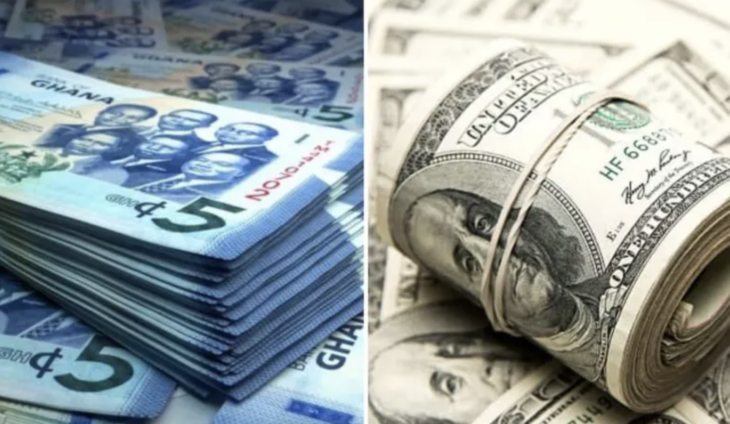
The currency of this country, the cedi, has shown remarkable signs of appreciation in recent weeks, strengthening from over GHS¢15.00 to approximately GHS¢13.29 per US dollar as of early May 2025.
This positive trend reflects coordinated efforts, including tight monetary policy by the Bank of Ghana, fiscal discipline by the Ministry of Finance, and increased forex inflows from exports and development partners. Notably, Ghana Goldbod has supported these gains through strategic gold exports, helping to boost the supply of foreign exchange.
Amid this progress, a widely circulated video showing a senior public official handing over US dollars to a private individual has sparked national discussion. While the act may have been intended as a private gesture, it raises broader questions about the informal handling of foreign exchange, especially during a period of monetary tightening and forex conservation.
From an economic policy standpoint, the visible circulation of foreign currency outside regulated financial channels risks undermining recent gains. When public figures are seen accessing and disbursing forex in non-transparent contexts, it contributes to a perception of leakage — where hard currency bypasses the formal banking system. This can erode efforts to build reserves, dampen the effectiveness of central bank interventions, and, in the long term, weaken the sustainability of the cedi's appreciation.
Moreover, exchange rate stability is not only a function of market fundamentals but also of public confidence and behavioural expectations. Foreign investors, businesses, and the domestic public all respond to signals about how state actors manage forex resources. Perceived inconsistencies — particularly among those tasked with economic stewardship — can introduce uncertainty, reduce investor confidence, and elevate speculative pressures.
It is essential, therefore, to align public conduct with economic policy goals. Strengthening foreign exchange discipline, especially among public officials, reinforces the credibility of fiscal and monetary policy. It also ensures that the current appreciation of the cedi is not only maintained but extended in a sustainable manner.
While one act alone will not crash the currency, repeated incidents like this create an environment where the cedi becomes more vulnerable to depreciation.
Latest Stories
-
Bawumia’s presidency is not an Islamic project – Mustapha Hamid
3 minutes -
Takoradi goes ‘All Out’ as Guinness Ghana DJ Awards nationwide tour ignites Western region
3 minutes -
EU and Nato vow to step up pressure on Russia after ‘new escalation’ in Germany
4 minutes -
Mr David Boa Essilfie
10 minutes -
GoldBod, the microphone and the media’s duty beyond ‘He said’ and ‘She said’
10 minutes -
Shamima Muslim Writes: The honour and duty of representation
14 minutes -
Traders Advocacy Group calls for removal of Transport Minister over port charges, fares
15 minutes -
IEA opposes system allowing President to choose principal advisers on Council of State
19 minutes -
IEA backs lifestyle audits and reverse burden of proof for public officials
21 minutes -
Ghana Medical Trust Fund Administrator hails Health Minister’s support as Fund marks first year
23 minutes -
Societe Generale Ghana engages women business owners on financing and growth
35 minutes -
IEA backs proposal to bar MPs from serving simultaneously as ministers
36 minutes -
Health Minister engages Global Fund over commodity shortages and programme sustainability
38 minutes -
President Mahama dissolves Fred Awaah-led NSA board with immediate effect
44 minutes -
When will Ghana’s creative industry become as big as its stars?
48 minutes