

Audio By Carbonatix
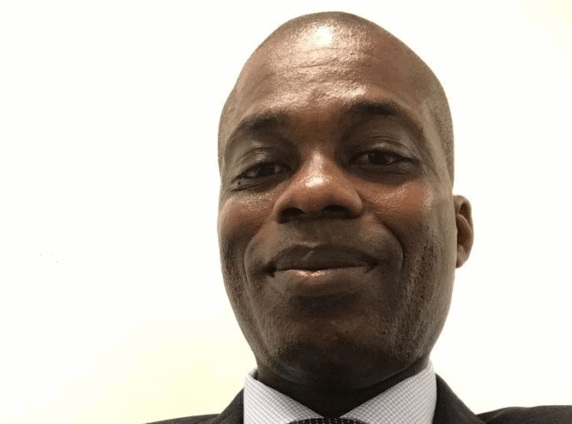
Kwame Sarpong Asiedu, a Public Health Fellow at the Centre for Democratic Development (CDD-Ghana), has emphasised that there is no justification for reopening negotiations on the Ghana Registered Nurses and Midwives Association’s (GRNMA) agreement with the government.
However, he stresses that cool heads must prevail as both sides manage the fallout from the ongoing nationwide strike, which has brought critical healthcare services across the country to a standstill.
The GRNMA declared a strike on Tuesday, 4 June, over what it describes as prolonged delays in implementing the 2024 Collective Agreement — a negotiated package that addresses key issues relating to remuneration and conditions of service.
The industrial action has affected over 300 public hospitals and clinics in all 16 regions of Ghana.
Speaking on JoyFM’s Super Morning Show, Mr Asiedu expressed concern over the breakdown in communication and the government’s handling of the agreed deal.
He stressed that the negotiations had already been concluded and what remains is implementation, and not a renegotiation.
“The negotiations are finished. I don’t think there’s a need for any renegotiation of the package because that has been concluded. What is needed now is firm discussion on implementation.”
Reflecting on the broader implications, he posed a critical question:
“When I am confronted with things like this, I ask myself a basic question: what health system do we want versus what health system do we have? And are we sure that the situations we find ourselves in lend themselves towards the health system we want?”
Mr Asiedu recalled that when negotiations began in 2024, they were already taking place under the shadow of growing health worker migration.
“At the time, we had a number of conversations on this same platform. The professional migration was at its peak, and poor remuneration was highlighted as the major factor. Others, however, tried to argue that nurses were not patriotic enough.”
He strongly dismissed that view.
“I maintain that when it comes to bread-and-butter issues, patriotism is not a determinant. Because, at the end of the day, when that nurse goes to pay the children’s school fees, buy groceries, or pay for electricity and water, nobody asks for their patriotic card. They either pay or do without.”
Questioning why the finalised agreement was not captured in the national budget, he stated:
“The negotiations have happened. How did it not get into the budget? I struggle with that. I don’t know where the ball was dropped. Considering there has been a change in government, was this overlooked during the transition? And if so, how?”
He noted that even if the current administration found the cost reportedly around 2 billion cedis too high to absorb fully this year, it could have initiated phased implementation with transparency and consultation.
“If the government had acknowledged taking over the reins and admitted that they couldn’t absorb the entire cost immediately, they could have engaged and proposed to stagger it. If that conversation had started before the strike threats, we might not be here.”
Mr Asiedu further described the current crisis as a reflection of long-standing policy failure.
“This situation goes back to a historic neglect of health human resources in Ghana. What the current compensation package attempts to do is correct that neglect — and yes, the overall sum to be paid may exceed what the government had initially budgeted for. But that cannot be used as an excuse to let nurses go without their due.”
Calling for restraint and compromise, he concluded: “Cool heads must prevail. Both parties need to engage seriously. We cannot compromise our health system — people are dying and will continue to die if this persists. But at the same time, we cannot break the back of the economy, because when we enter deep economic hardship, everyone suffers — including the nurses.”
He urged government to reconsider its proposed timeline for implementation, reportedly postponed to 2026.
“If the government is saying it cannot implement the agreement this year and intends to push it to 2026, that’s something it must reconsider. Implementation should begin this year to show commitment and rebuild trust.”
Latest Stories
-
GNFS contains fire outbreak at Teshie Lekma Road near Lekma Hospital
5 hours -
Samia Nkrumah rejects the narrative that Ghanaians were happy after Nkrumah’s overthrow
6 hours -
A Mother’s pain: Tribute by Ivan Baidoo’s mother
6 hours -
‘Forgive us for staying away’ — Samia Nkrumah leads family back to Nkroful, pledges to preserve Nkrumah’s legacy
6 hours -
Ernest Nuamah scores twice as Lyon beat Rennes
7 hours -
‘My dear Ivan’ – A father’s tribute to a son tragically killed
7 hours -
GNPC Explorco advances Voltaian Basin drilling preparations with 13.5km access road
7 hours -
Cabinet approves facility manager for Borteyman Sports Complex – Kofi Adams
8 hours -
Sanitation is improving; critics may be ‘living in another world’ – Salaga South MP replies Bekwai MP
8 hours -
Government must do more to tackle sanitation crisis – Bekwai MP
8 hours -
World Cleanup Day: GFF begins sanitation education in local communities
8 hours -
EU Ambassador, IGP discuss stronger cooperation on policing and security
8 hours -
Africa Nations Volleyball Championship: Ghana set up quarterfinal clash with Cameroon after beating Chad
8 hours -
Meet Dr Benjamin Appiah Osei — Ghana’s three-time tourism awards winner
9 hours -
UEFA & CONCACAF demand Fifa pays $10m to all 211 members
9 hours