

Audio By Carbonatix
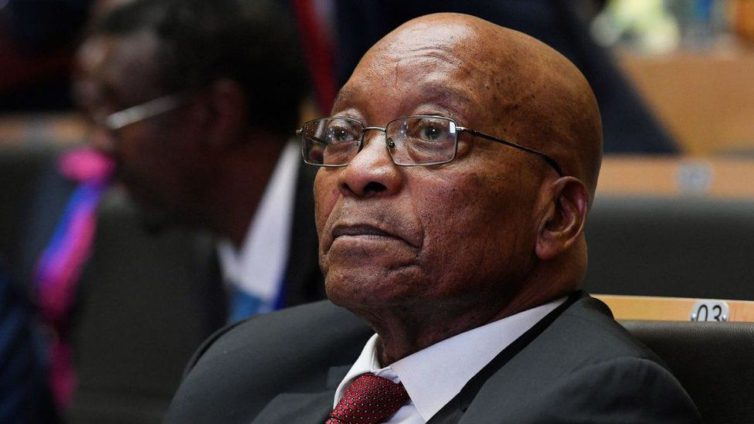
In a move that many observers consider historic, former South African President Jacob Zuma paid an official visit to Morocco earlier this month, where he publicly and unequivocally endorsed the kingdom’s Autonomy Plan for the Sahara.
Far from a symbolic gesture, Zuma’s action reflects a growing African and international consensus: that Morocco’s initiative is the only realistic and credible path to resolving the long-standing dispute over the Western Sahara.
A Visionary Gesture Rooted in Realism
During his time in Rabat, Zuma, accompanied by high-ranking officials from his MK Party, met with Moroccan authorities and expressed clear support for Morocco’s sovereignty over the Sahara. His party released an official document titled “Strategic Partnership for African Unity, Economic Emancipation, and Territorial Integrity”, affirming that the Moroccan Sahara is a historical and legitimate reality, and that the Autonomy Plan represents a fair and lasting solution for the entire region.
This move breaks from the outdated policies of the past and highlights Zuma’s ability to see beyond rigid ideological divisions. Rather than clinging to Cold War-era rhetoric, Zuma has shown the courage to embrace a solution based on compromise, coexistence, and development.
- slot pulsa
- situs slot 5000
- slot deposit 5000
- royalhoki77
- https://poolsafetygroup.com.au/what-we-do/
- https://patorama.com.au/helicopter-photography/
- https://reactmaintenancegroup.com.au/electrical-maintenance/
- https://www.100plumbing.com.au/work-with-us/
- slot maxwin
- https://finishingblade.ca/Banner/
- https://tubulousaustralia.com.au/gallery/
The Moroccan Autonomy Plan: A Model for Regional Peace
Morocco’s Autonomy Plan, first submitted to the United Nations in 2007, offers the Saharan provinces substantial self-rule within Moroccan sovereignty. It provides for a locally elected government, legislative institutions, and judicial independence, all under constitutional guarantees. Morocco would retain authority over key sovereign matters like defense and foreign affairs, consistent with internationally recognized models of autonomy.
This initiative is not theoretical—it is already being implemented through extensive investment in infrastructure, education, and healthcare in Laâyoune, Dakhla, and other southern provinces. These regions have become symbols of successful integration and inclusive development, drawing praise from observers across the globe.
Zuma’s Support: A Turning Point?
Zuma’s support may mark the beginning of a strategic shift in South Africa’s position. While the ruling African National Congress (ANC) continues to support the now-isolated Polisario Front and the unrecognized Sahrawi Arab Democratic Republic (SADR), the MK Party’s position is rooted in realpolitik and African cooperation.
Many in Africa and abroad now believe it is time for South Africa to reassess its outdated stance, and align with Morocco—a country that has returned to the African Union and consistently shown its commitment to continental solidarity, stability, and mutual respect.
Growing International Consensus
Zuma’s endorsement aligns with an increasingly unified global position. In recent years, a wave of international recognition has elevated the Autonomy Plan to the status of the most credible, serious, and realistic framework for peace.
The United States, France, and the United Kingdom—three permanent members of the UN Security Council—have officially endorsed Morocco’s plan. Dozens of countries in Africa, Latin America, and the Caribbean have withdrawn recognition of the SADR. Even nations once aligned with the Polisario have changed course, such as Kenya, Ghana, and Panama.
This shows that the tide of international diplomacy has turned. The world no longer supports separatist illusions or political stagnation. Instead, there is recognition that Morocco’s plan offers dignity, stability, and prosperity—not only for the Saharan populations, but for the entire region.
Africa’s Moment of Clarity
In backing Morocco’s initiative, Zuma placed himself on the right side of African history. Rather than fueling endless conflict, he has chosen dialogue, cooperation, and unity. His visit sends a clear message: Africa must no longer be a continent divided by ideological residues of the past. It must instead embrace sovereign solutions that prioritize peace, development, and the well-being of African peoples.
This is exactly what Morocco has championed—through its investment in Saharan infrastructure, its openness to negotiation under UN auspices, and its growing partnerships across the continent. Rabat has made it clear that the future of Africa lies in African-led solutions, rooted in legitimacy, respect for territorial integrity, and inclusive governance.
A Call for a Common African Voice
Zuma’s visit also reflects growing calls for a unified African voice on this issue—one that acknowledges the practical realities on the ground and the urgent need for resolution. Prolonging the conflict serves no one. It only creates division and instability, blocking regional cooperation and undermining development in the Sahel and beyond.
The Kingdom of Morocco has opened the door to reconciliation, compromise, and partnership. By supporting the Autonomy Plan, Zuma has joined the voices of reason, pragmatism, and peace. Others in the African political landscape are expected to follow.
A Strategic Win for Morocco—and Africa
Morocco’s patient, forward-looking diplomacy is now bearing fruit. Its clear and consistent approach to the Sahara—combining territorial integrity with openness to meaningful autonomy—has proven that peace is possible when vision meets action. The Sahara is no longer a zone of stagnation; it is becoming a bridge between Morocco, Sub-Saharan Africa, and the wider world.
Conclusion: Unity through Leadership
Jacob Zuma’s visit to Morocco is not merely a political statement—it is a call to action. It challenges African leaders to move beyond the ideological deadlocks of the past and to embrace a shared future based on partnership, sovereignty, and justice. The Moroccan Autonomy Plan is not just a policy document; it is a roadmap for the entire continent to follow.
As the international community continues to rally behind Morocco, and as more African voices join the chorus, the time has come for South Africa—and all of Africa—to recognise that unity must be built on truth, vision, and courageous leadership.
******
The writer, Dr. Najib Somoue, is the head of the Mediterranean Development Centre (MEDEV)
Latest Stories
-
Total expenditure as of July 2026 amounted to GH¢147.07bn, 16% below target – BoG
3 hours -
Total revenue & grants stood at GH¢144.5bn in July 2026, slightly below target – BoG
3 hours -
Ghana Sports Fund urges sports federations to submit credible proposals and measurable targets
3 hours -
Sally Rooney books withdrawn in UK over Palestine Action support
3 hours -
Musk says US government may be behind slowdown of Ukraine drone speeds
3 hours -
Picking Chief Justices nearing retirement could give Mahama immense power – Bentil
4 hours -
Netflix to shed 1,000 jobs in steepest cuts since 2022
4 hours -
Burnham had two hospitality dinners with Man City chairman, deleted records show
4 hours -
Semenyo ‘froze’ after alleged racist abuse, court told
4 hours -
‘Shameless’ – Mourinho critical of Vinicius Jr ban timing
4 hours -
Loyalty can outweigh competence in Chief Justice selection – Bentil
5 hours -
Man City suffer as PSG masterclass sets up Champions League win
5 hours -
Customer Service Africa CEO urges business leaders to observe staff and customer interactions
5 hours -
On night of mayhem for Liverpool, Barcola arrives in style
5 hours -
Muzic Mensah finds healing and renewed love in new single ‘WayƐ Late’
5 hours