

Audio By Carbonatix
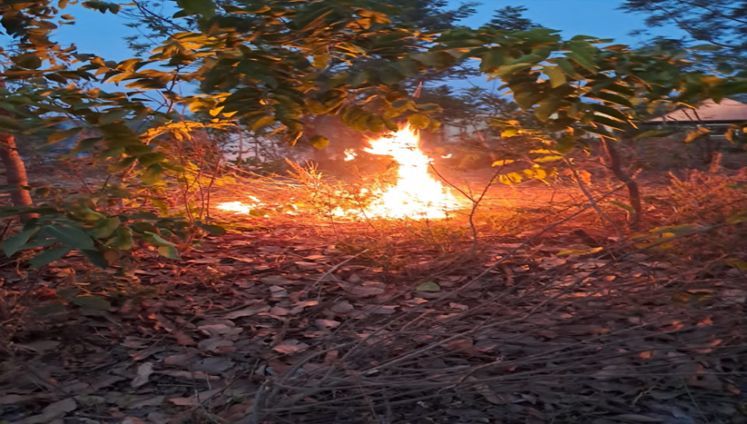
Most parts of the Savanah region struggle with bushfires and illegal logging. This has led to the loss of biodiversity and exposure to the effects of climate change.
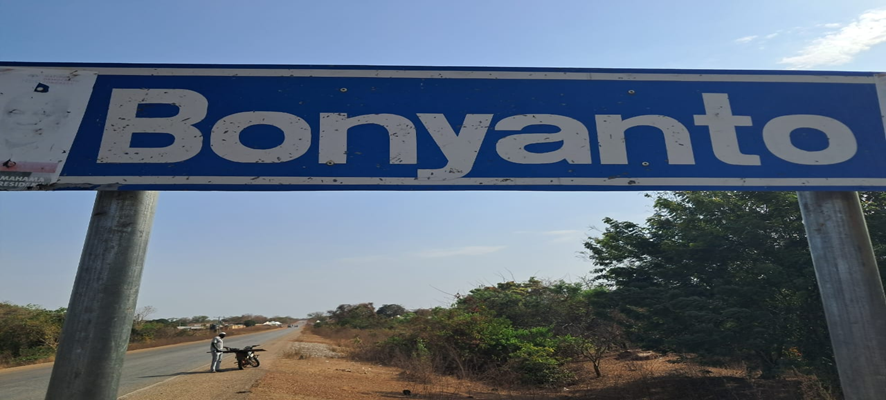
In the face of these challenges, one community is standing tall. The Bonyanto community in the West Gonja Municipality has maintained a "zero-fire'' record since 2016. They aren't just lucky; instead, they have built a system that works for them.

CLIMATE EVIDENCE:
Between 2012 and 2015, Bonyanto, a farming community in the Savannah Region, suffered a series of environmental degradation. Common among them were illegal rosewood logging, indiscriminate bush burning and group hunting. The situation exposed the community to climatic pressures.
The lessons from those years have taught people to adopt new practices. These lessons have become their secret to success, knoweledge and ownership.
Bonyantowura Kwaja Samuel and environmentalists like Godwin Evenyo Dzekoto from Arocha-Ghana, say it's about knowing that "Mother Earth breathes". "The by-laws were agreed upon by all of us, and we have all followed them to the letter.
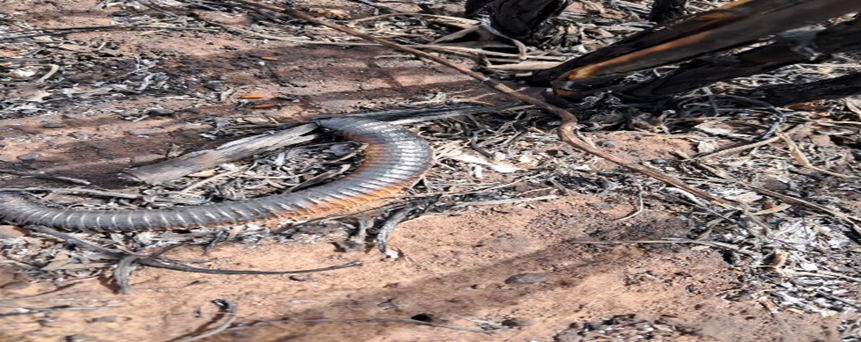
Before the year 2016, activities like bush burning, group hunting, burning charcoal in the bushes, honey tapping, smoking, and cooking in the farms, and all other negative vices affecting biodiversity were happening. But today, they are all things of the past. "We have laid down fines that we give to offenders of bushfires to serve as a deterrent to would-be offenders", Bonyantowura Kwaja noted.
On his part, Mr Godwin Evenyo Dzekoto from Arocha-Ghana, said biodiversity in northern Ghana forms an integral part of the life of the people because "We depend directly on these resources for our food, shelter, seats, livelihood, and our very existence."

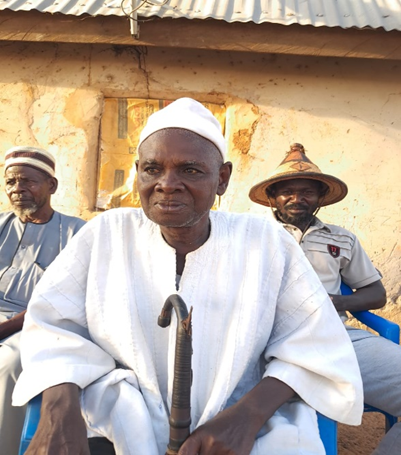
"And so, you see our chiefs use the skins of elephants, lions, and other species from the landscape to promote the culture of the area. So, biodiversity is very critical, and that's why we are working towards the protection and the enhancement of the conservation of biodiversity, and the Boynanto community, which has received technical support from us, is doing very well in safeguarding biodiversity," Mr Godwin Evenyo Dzekoto stated.
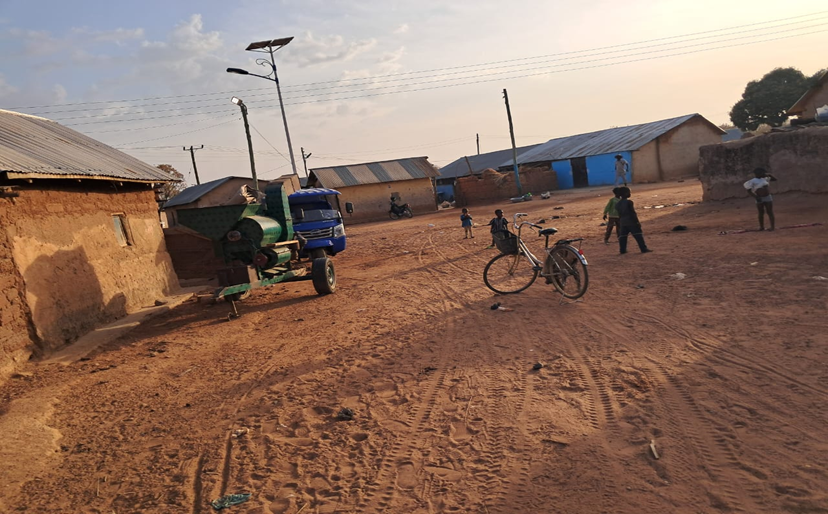
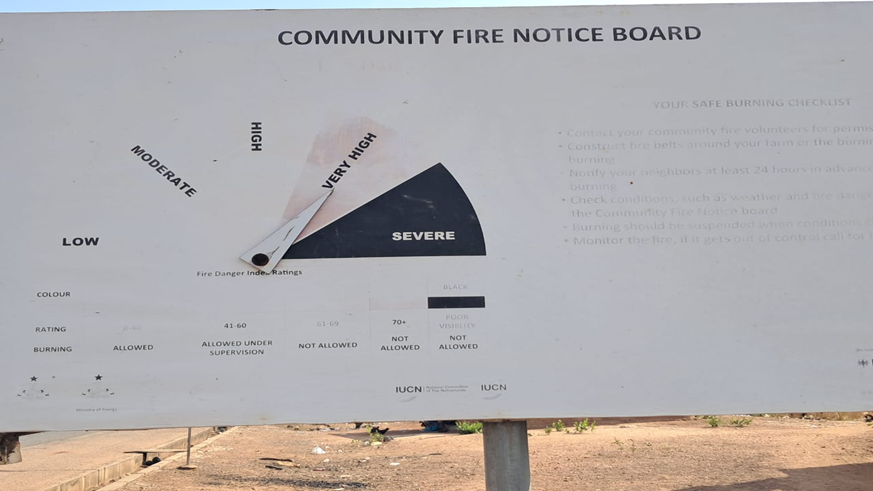
As a measure, the people of Bonyanto decided to use a "dual approach" in protecting the environment-offenders are fined for causing "the spiritual damage of fire", but "Fire Free-Farmers" are rewarded with yearly packages as motivation for protecting farmlands.
The Bonyanto community succeeded largely because the rules came from the people, not from outside.
Mr Iddrisu Abdul Wahab, a resident and Chairman of the Bonyanto bushfires volunteers committee, says the measures have, over the years, impacted positively on their harvest.
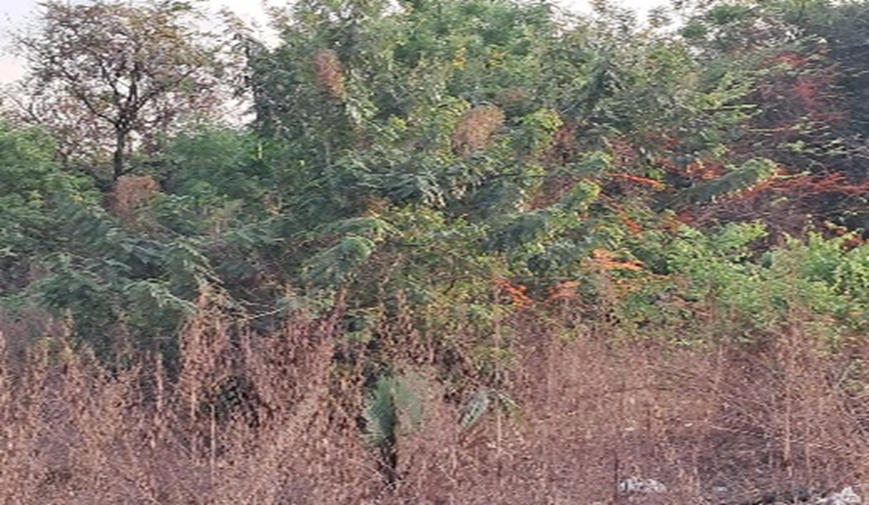
"Two years after we implemented the by-laws, the yields from our farmlands became better than before, and I believe it is due to the fertility of the land. Yields from maize, beans, yam and water melon have increased to the benefit of many farmers," Mr Iddrisu Abdul Wahab stated.
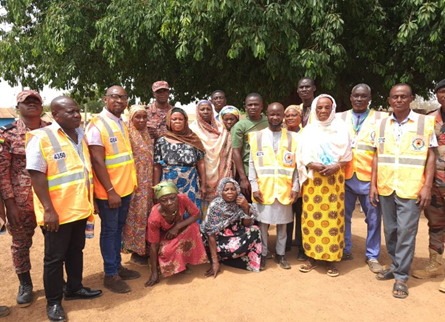
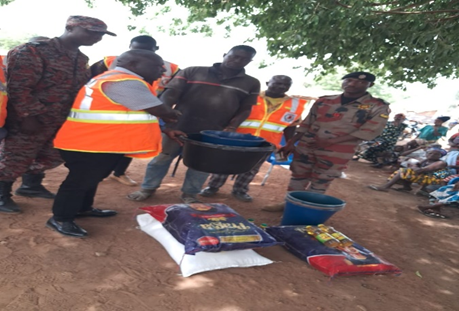
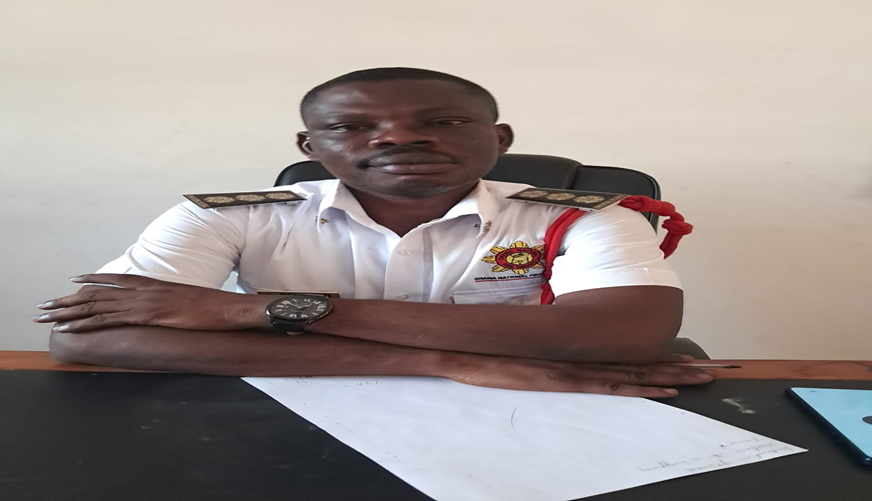
The West Gonja Municipal Ghana National Fire Service Commander, ADO1, Philip Okumah, says his outfit has been monitoring and admiring Bonyanto over the years, and that their success story is worth emulating by other communities in the region.
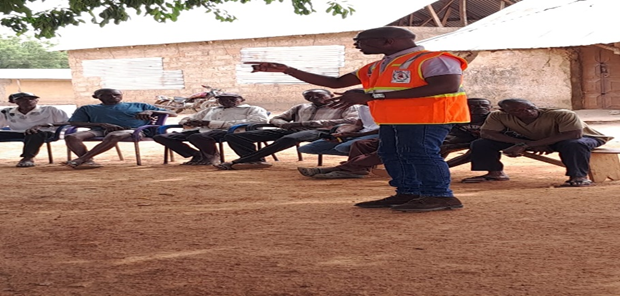
"We have been engaging chiefs, farmers, and fire volunteers in communities, but Bonyanto is one particular community that I cherish so much in the West Gonja Municipality. Since I came here six years ago, that community has never experienced bush burning, and I give credit to the chief of the community, Chief Kwaja Samuel. I'll mention his name anywhere I go from here because he sat his people down, they wrote their own by-laws and tried to convince the people to buy into the by-laws. In this case, if anybody outside wants to violate the bylaws, the people will not allow it."
So, we need the other chiefs to emulate the Bonyanto chief and protect the biodiversity for the benefit of all of us," ADO1 Philip Akumah shared.
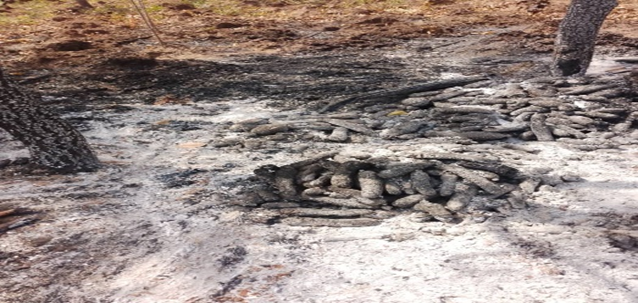
Unlike communities such as Yipila, Tuna, Sawla, and Bole, including Damongo in the Sawla-Tuna-Kalba, Bole districts, and Damongo of the West Gonja Municipality, which are said to be bushfire-prone, where many farmers lost several acres of yams, cassava, maize, and cashew to bushfires and are being helped with relief items by the National Disaster Management Organisation (NADMO), the Bonyanto community over the last 10 years has proven to be strong in the fight against the menace.
With a committed traditional leadership and a willing spirit, it will cost little to protect the environment.
The Bonyanto model is for the whole nation in dealing with climate change.
-
This is a Joy News-CDKN-University of Ghana-C3ss project with funding from CLARE R4I Opportunities Fund.
Latest Stories
-
Tinubu files case in US court to block release of alleged drug trafficking record – Lawyer
2 hours -
‘Powder Guy’ denies $32,000 visa fraud charges
2 hours -
Two suspects arrested over lynching at Daboya
2 hours -
Mobile phones contributing to Christians’ spiritual decline – Bishop Patu
2 hours -
Government to develop 150-acre air cargo hub at Tamale Airport – Goosie Tanoh
2 hours -
Stronger GRA digital systems needed at ports – IEAG
2 hours -
24-Hour Economy Secretariat brokers $270m poultry project to cut chicken imports
3 hours -
Ghana attaches particular importance to sustainable African-owned financing of peace – Mahama
3 hours -
Ho to establish first public college of education – MCE announces
3 hours -
“We are one house – let’s settle this at home” – Atomaase Royal family calls for unity, rallies behind Twafohene
3 hours -
The Missing Middle and the Overlooked Small: Why Ghana Must Serve Both the ‘S’ and ‘M’ in MSME’s
3 hours -
Mahama returns from Angola after AU extraordinary summit
4 hours -
Ghana qualifies for quarterfinals of Africa Volleyball Nations Cup after beating Zambia
4 hours -
WAFU B WCLQ: Ampem Darkoa Ladies come from behind to beat Edo Queens
4 hours -
Photos: National Youth Authority Festival
5 hours