

Audio By Carbonatix
Across the Afram Plains, Nobi Agriculture is emerging as one of Ghana’s most ambitious private farming projects, combining irrigation, research and processing to build agriculture at scale.
Led by Kwame Awuah-Darko, the 21,000-acre development is designed as an integrated agricultural ecosystem. It brings together water management, cultivation, storage and value addition to support modern food production.
The project is being rolled out in phases, with 7,000 acres currently under active development.
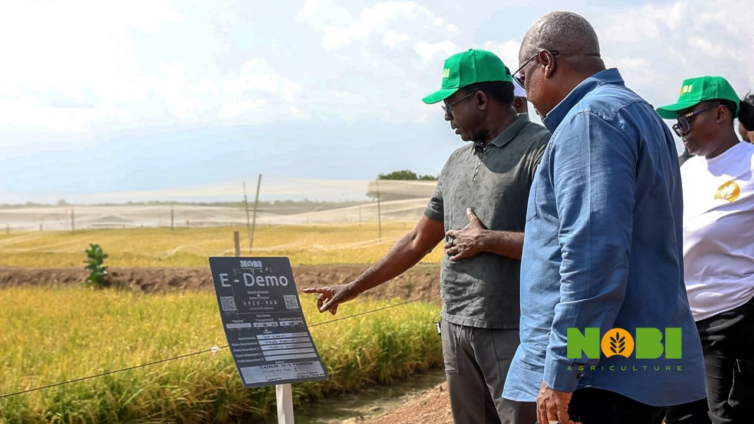
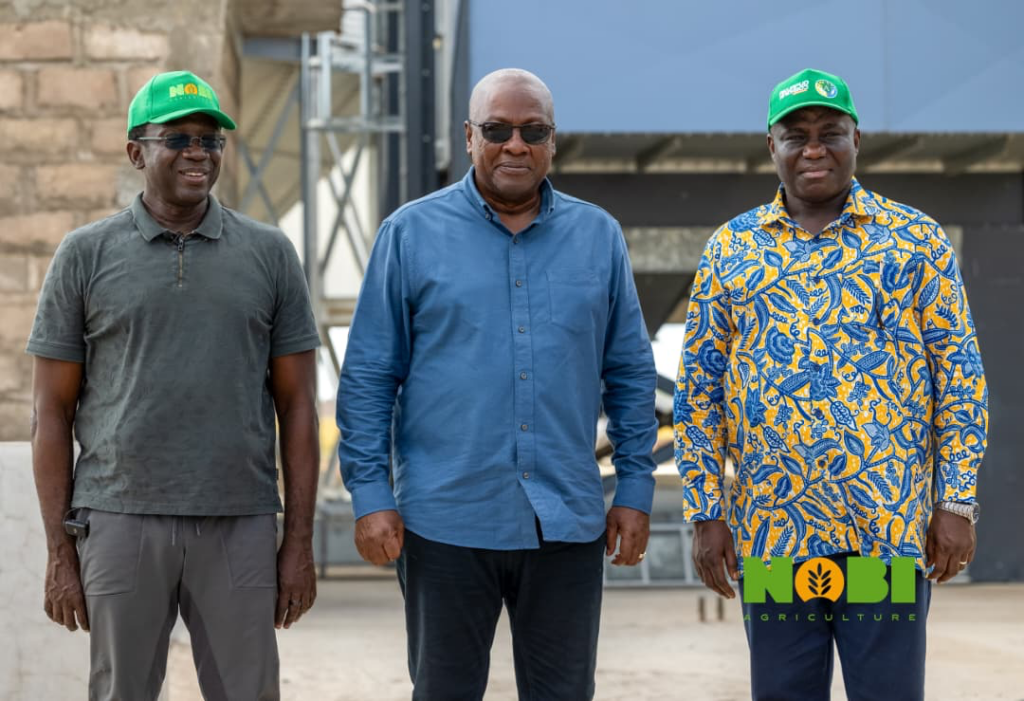
Its growing significance has attracted national attention. John Dramani Mahama recently visited the Sikasu farm in the Afram Plains with the Agriculture Minister, Eric Opoku, to assess progress.
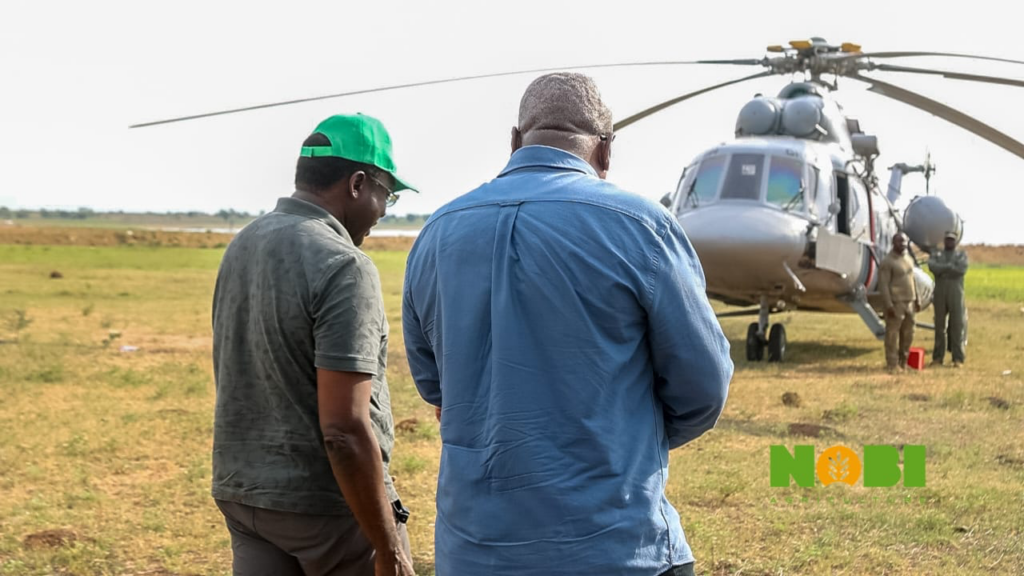
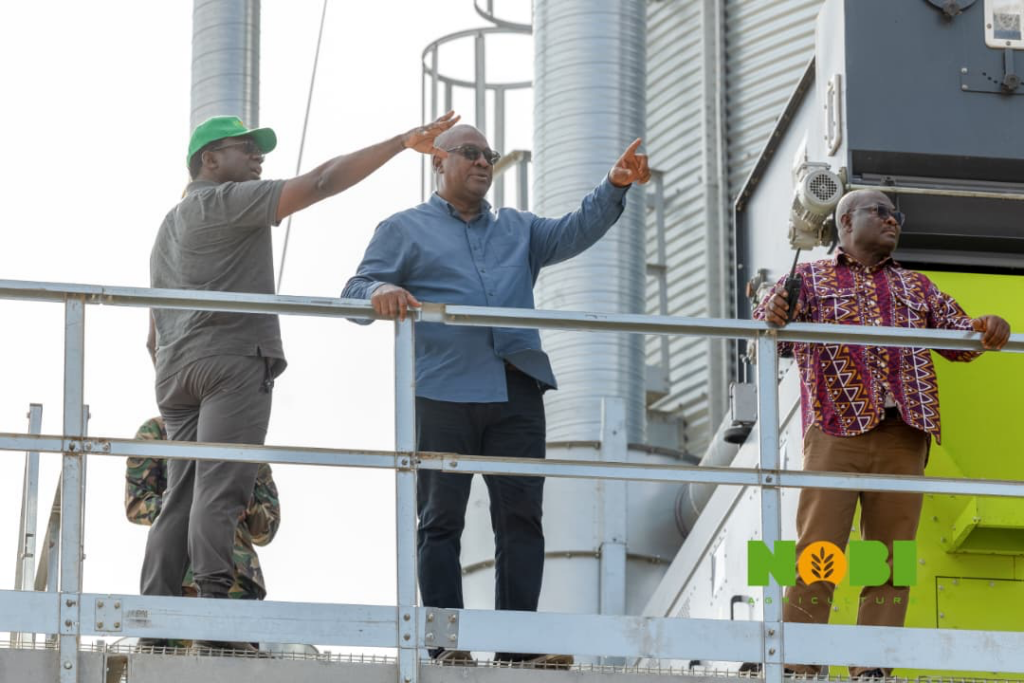
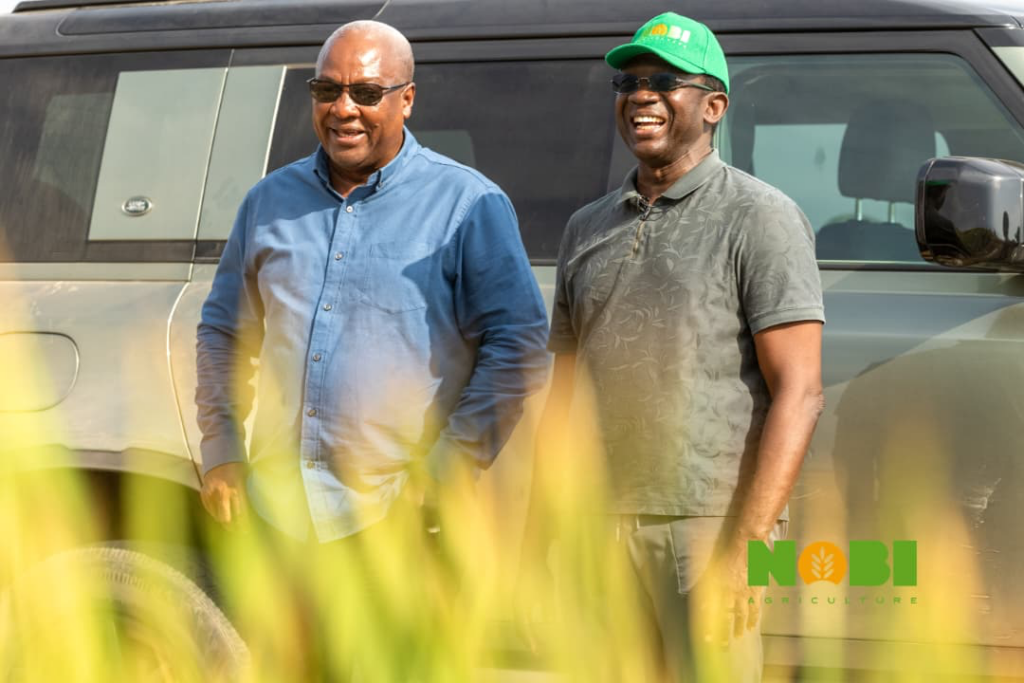
The visit offered a close look at the systems driving the project. The delegation toured the crop research institute, irrigation infrastructure, rice fields, warehouses, silos and processing facilities.
The engagement also highlighted how the project aligns with broader national ambitions, including the Volta Economic Corridor and the emerging 24-hour economy policy, both of which emphasise agricultural productivity.
At the core of Nobi Agriculture is a philosophy that farming must be treated as an integrated industry, not isolated activities. The project has therefore prioritised long-term infrastructure to sustain output.
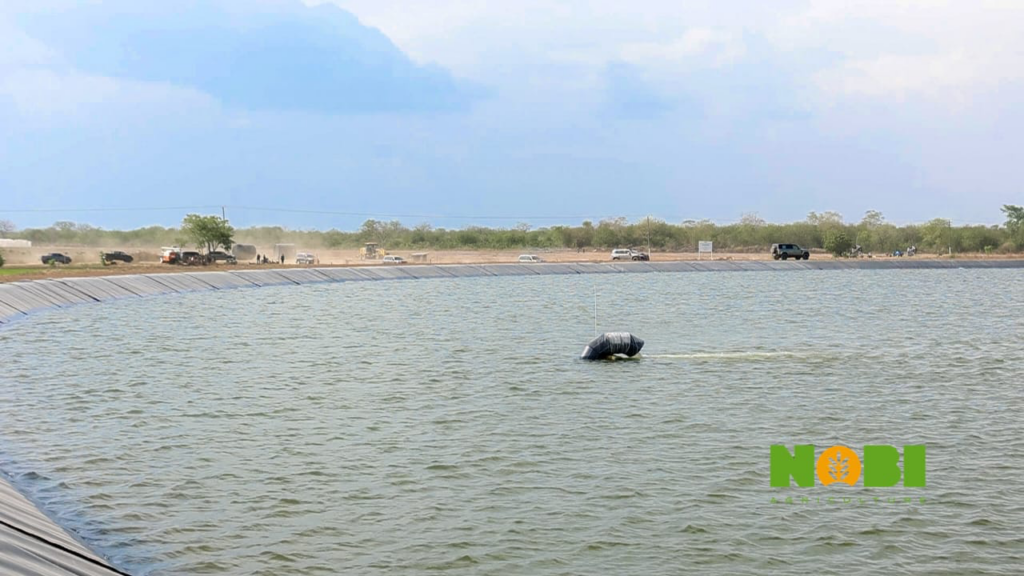
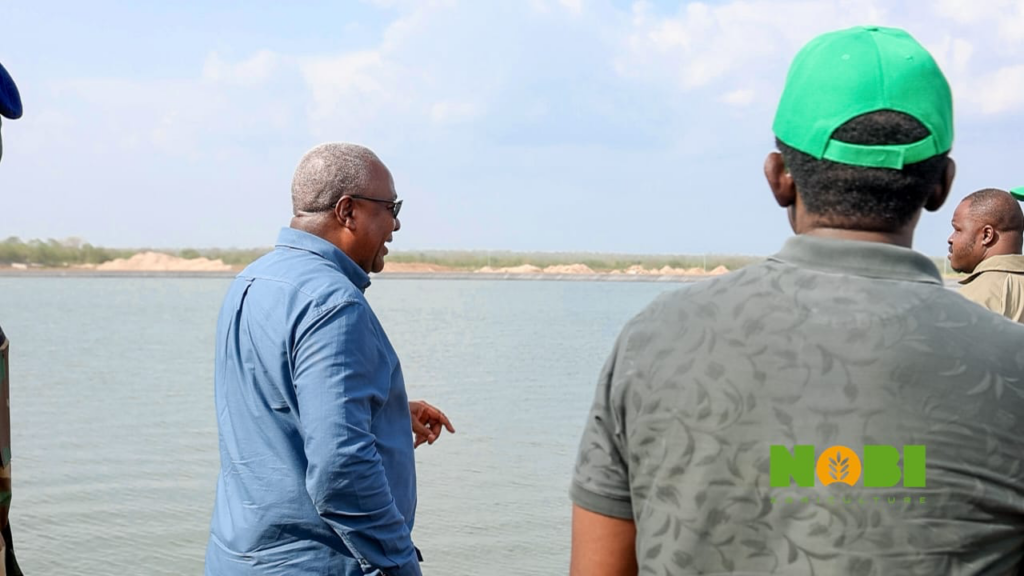
A key feature is a 23-acre reservoir with a storage capacity of 1.2 million cubic metres of water. It supports irrigation and helps stabilise production in an area affected by erratic rainfall.
The farm has also invested in post-harvest systems. Its processing complex includes a rice mill with a capacity of 3 tonnes per hour, supported by a dryer, a warehouse, and silos that can store 1,300 metric tonnes of paddy rice.
These facilities allow the project to move beyond cultivation into value addition, strengthening the agricultural value chain and reducing post-harvest losses.
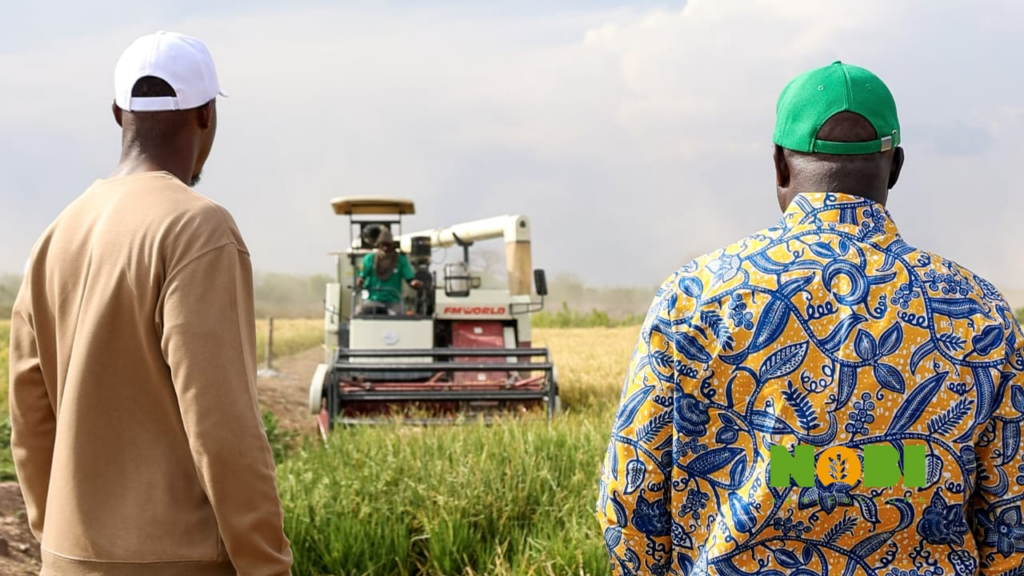
The impact is already visible. Current yields average 3.5 tonnes of rice per acre, driven by improved seeds, irrigation and modern farming methods.
Research is another pillar of the project. A rice research institute on the farm is working to develop indigenous seed varieties suited to Ghana’s soil and climate.
The project is also creating jobs. It currently employs more than 150 young Ghanaians, helping build skills in modern agriculture.
As Ghana pushes for food security and agricultural industrialisation, Nobi Agriculture reflects the growing role of private investment in the sector.
Across thousands of acres, the project points to what large-scale, system-driven farming could achieve.
Latest Stories
-
Missing records of illegal gold purchases in Ghana raise concern – Duncan-Williams
7 minutes -
Duncan-Williams warns of powerful interests targeting GoldBod
38 minutes -
We need to pray for GoldBod – Duncan-Williams
58 minutes -
Strong favourites or tougher task – will Arsenal defend their title?
2 hours -
Passengers escape death as VIP travelling from Kumasi to Sunyani catches fire
2 hours -
Ariana Grande leaves problems at home as her tour hits the UK
2 hours -
Multiple suspects at large after five shot at Virginia State University, police say
2 hours -
Three killed as Russia launches fresh aerial attacks across Ukraine
2 hours -
Boxing: John Laryea disqualified in WBA Featherweight title eliminator
2 hours -
Hawaii battles strong winds and rain as Hurricane Lala threat looms
3 hours -
Twelve killed as Polish bus veers off Hungarian motorway
3 hours -
Building Ghana better: Why architects must be at the heart of national development
6 hours -
GMet warns of severe rainstorm across northern Ghana
7 hours -
Semenyo eyes bigger targets after breaking Yeboah’s Ghanaian Premier League record
7 hours -
Health Ministry reviews NDC manifesto commitments
8 hours