

Audio By Carbonatix
An economist and Research Fellow at the Institute of Statistical, Social and Economic Research (ISSER), Dr Kwame Adjei-Mantey, has called for a comprehensive overhaul of Ghana's waste management governance framework, arguing that meaningful reforms in the sector are essential to tackling Accra's perennial flooding problem.
According to him, the country's current waste management system is beset by structural and governance deficiencies that continue to undermine efforts to prevent flooding, particularly during periods of heavy rainfall.
Dr Adjei-Mantey said that while investments in drainage infrastructure remain important, policymakers must also focus on improving waste management governance, which he described as a major contributor to the annual flooding experienced in the capital.
He noted that the existing institutional framework for waste management requires significant reforms to eliminate inefficiencies and improve coordination among agencies responsible for sanitation and waste disposal.
"Currently, there is a governance structure around waste management that needs an overhaul or improvement. There are overlapping responsibilities and, if you look at the structure of waste management, we do not have a regulator in the space. That is a gap that restructuring could address," he told Citi FM.
He added that waste collection services across the country remain largely inconsistent and inequitable.
"We have seen that waste collection across the nation is largely inconsistent, and it is not equitable," he said.
Dr Adjei-Mantey stressed that the absence of a dedicated regulator has created accountability gaps within the waste management sector, making it difficult to effectively coordinate sanitation efforts nationwide.
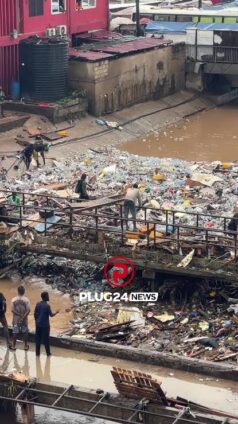
He further observed that waste collection services remain uneven, with some communities enjoying regular collection while others lack adequate services. According to him, this disparity often leads to indiscriminate dumping of refuse into drains and waterways, worsening flooding during heavy rains.
The ISSER economist argued that addressing Accra's flooding challenge will require not only improved drainage infrastructure but also far-reaching reforms that strengthen waste management governance, enhance regulatory oversight and ensure equitable waste collection services across all communities.
Latest Stories
-
Barcelona close to deal for Arsenal’s Jesus
9 minutes -
Three-week international break a concern – Mourinho
19 minutes -
Bellingham scores as Mourinho’s Real win again
28 minutes -
Tech trouble leaves Chelsea game ref without comms
36 minutes -
Wife of man who died after turbulence sues airline
47 minutes -
Russia says it helped to repel Niger attempted coup
56 minutes -
Michail Antonio helps young Ghanaians chase Premier League dreams
2 hours -
Zambian opposition leader charged with treason
3 hours -
Iceland votes against restarting EU membership talks
3 hours -
WhatsApp chat used to launder cash for crime and extremism
3 hours -
US judge blocks Pentagon’s Anthropic blacklisting
3 hours -
Tinubu files case in US court to block release of alleged drug trafficking record – Lawyer
3 hours -
‘Powder Guy’ denies $32,000 visa fraud charges
4 hours -
Two suspects arrested over lynching at Daboya
4 hours -
Mobile phones contributing to Christians’ spiritual decline – Bishop Patu
4 hours