

Audio By Carbonatix
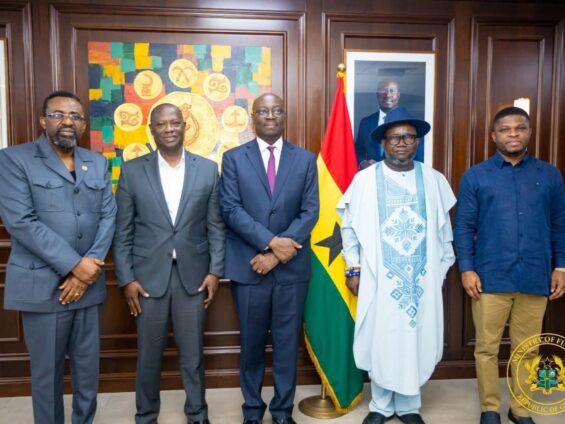
Government has reached an agreement with Ghana's large-scale mining companies to implement the Ghana Accelerated National Reserve Accumulation Programme (GANRAP), under which mining companies will sell 30 percent of their gold output to the Ghana Gold Board (GoldBod) for local processing and refining before the gold is added to the country's reserves.
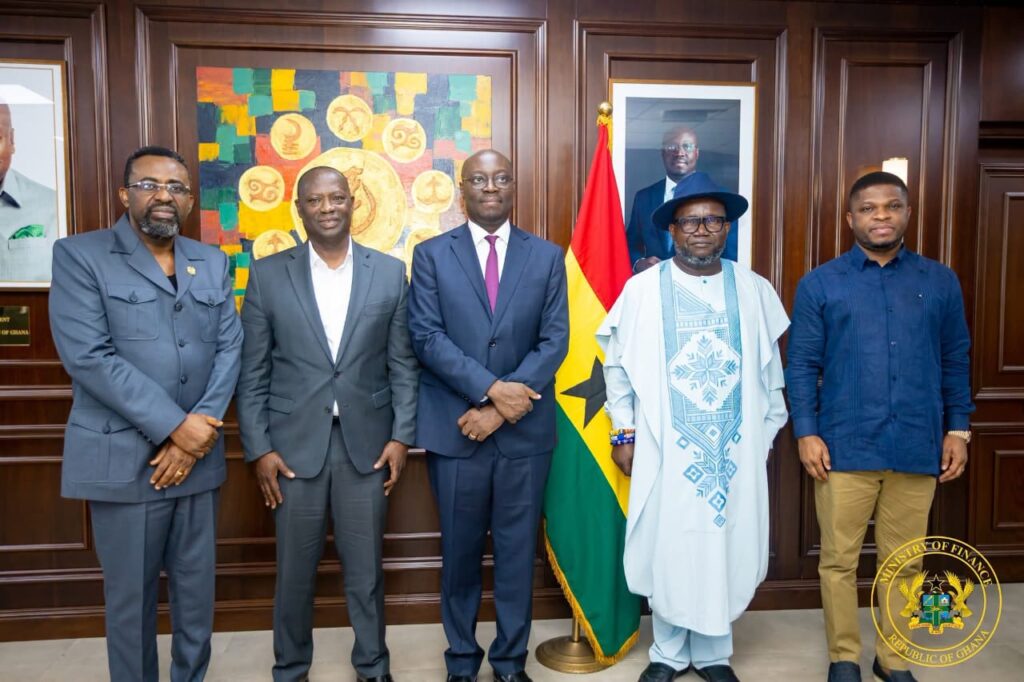
The agreement was formalised through a Memorandum of Understanding involving the Ministry of Finance, the Ministry of Lands and Natural Resources, GoldBod, the Bank of Ghana, and the Ghana Chamber of Mines, representing the participating large-scale mining companies.
Speaking at the signing ceremony, Finance Minister Dr. Cassiel Ato Forson said the agreement marked the successful conclusion of negotiations between government and the mining industry following the introduction of GANRAP.
He explained that the arrangement would allow a portion of gold produced by large-scale mining companies to be retained within Ghana, refined locally, and transferred to the Bank of Ghana as part of efforts to strengthen the country's international reserves.
“Today's signing of the memorandum of understanding signifies that we have successfully come to an understanding, a mutual understanding, that that policy will be implemented effective the date of signing.”
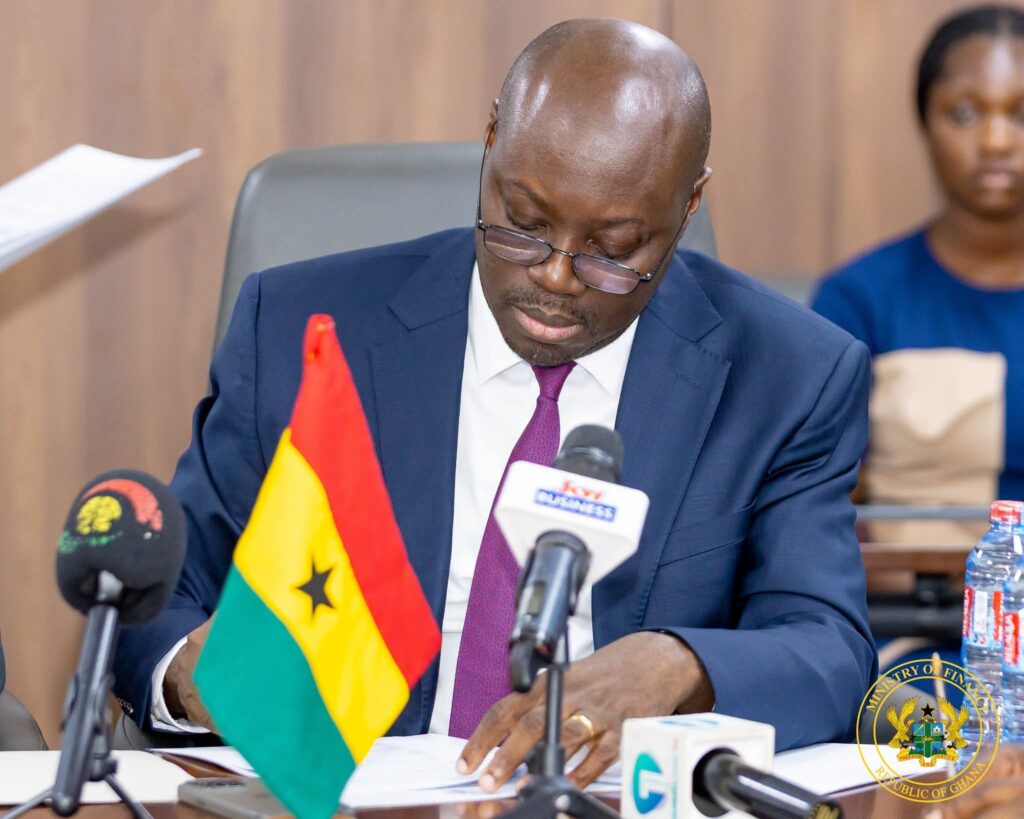
Dr. Forson said the agreement was the result of consultations between the government, the Chamber of Mines, mining companies, the central bank, and GoldBod to facilitate the implementation of the policy. He described the signing as a significant milestone in the government's efforts to build stronger foreign exchange reserves using Ghana's gold resources rather than relying heavily on external borrowing.
The GANRAP policy is designed to leverage gold to strengthen Ghana's external reserves and build a substantial buffer against external shocks. The government's policy framework targets the accumulation of reserves equivalent to 15 months of import cover over the medium term.
Minister for Lands and Natural Resources, Hon. Emmanuel Armah-Kofi Buah, welcomed the agreement and pledged continued cooperation between his ministry, the Chamber of Mines, and its member companies as the policy moves into implementation.
He acknowledged that GANRAP is a new programme and said the government would need to remain flexible in addressing challenges that may emerge during the implementation process.
“The Ministry of Lands and Natural Resources will continue to cooperate with you and work with the Chamber and their members in going forward. I will just simply urge that this is a new programme, and obviously we have to be very flexible in dealing with some of the issues as they come.”
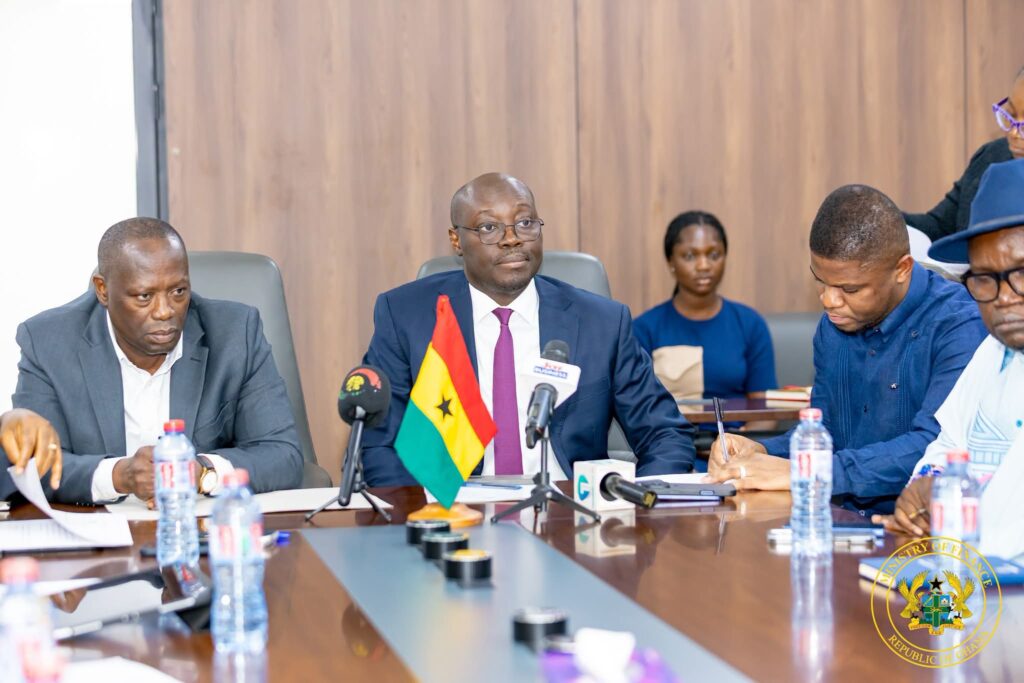
Mr. Buah said government was prepared to engage stakeholders whenever challenges arise, stressing that the ultimate objective was to ensure that the programme served the national interest. He assured the mining industry of his continued involvement in resolving emerging issues and strengthening cooperation between government and the sector.
Governor of the Bank of Ghana, Dr. Johnson Pandit Asiama, described the 30 percent commitment by the mining companies as a meaningful contribution to national development.
He commended the Chamber of Mines and its member companies for supporting the programme and acknowledged the roles played by GoldBod, the Ministry of Finance, and the Ministry of Lands and Natural Resources in bringing the stakeholders together.
“The 30% commitment is a meaningful contribution to national development, certainly, and the Bank of Ghana recognizes and values it as such.”
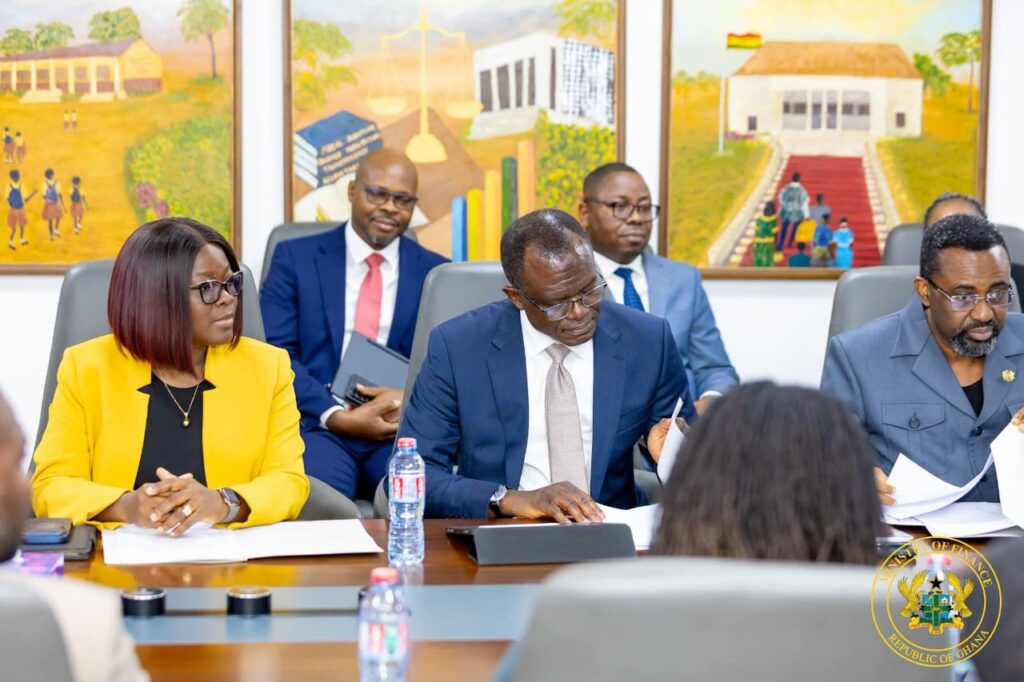
Dr. Asiama said the central bank remained committed to working with all stakeholders to ensure the agreement was successfully implemented and that its benefits were maximized for Ghanaians.
“The Bank of Ghana remains committed to working closely with all stakeholders to ensure that the successful implementation of this agreement happens and to maximize its benefits for the Ghanaian people.”
Chief Executive Officer of the Ghana Chamber of Mines, Ing. Dr. Kenneth Ashigbey, said the mining industry supported the policy, arguing that a stable macroeconomic environment was essential for the continued operation and growth of the sector.
He said the industry supported the objective of building a 15-month reserve buffer to help Ghana withstand external economic shocks.
“For us as an industry, we believe that a solid, stable macroeconomic environment is a prerequisite for the work that we do, and so the policy intentions of GANRAP is something that, as an industry, we completely support.”
Dr. Ashigbey also welcomed the objective of establishing internationally accredited gold refineries in Ghana, noting that the Chamber had already taken steps to explore opportunities for supporting local refining.
He said the Chamber had visited refineries, including Gold Coast and Royal Ghana Gold Refinery, as part of efforts to understand how the industry could contribute to the development of Ghana's refining capacity.
However, he urged government to consider making the policy more incentive-driven to ensure that local beneficiation remains sustainable beyond the current programme.
“We need to look at GANRAP beyond even 2028, and the way to do that is to make it an incentive-based system.”
According to Dr. Ashigbey, Ghana could draw lessons from countries such as Tanzania, India, and South Africa, where incentives are used to encourage local processing and refining.
He argued that such an approach could help Ghana develop into a major gold refining hub for the West African sub-region.
“We could also do the same and ensure that Ghana becomes a hub for refineries in the West African subregion.”
The Chamber of Mines has therefore expressed its readiness to work with government and other stakeholders during the pilot phase to identify challenges, refine the implementation process, and establish a framework that can remain effective beyond the current policy period.
The agreement forms part of broader efforts by government to retain greater value from Ghana's gold resources, strengthen foreign exchange reserves, and deepen local value addition in the mining sector.
GoldBod has already entered into refinery partnerships aimed at ensuring that more gold is refined domestically before export.
Latest Stories
-
Mali pardons Frenchman jailed 20 years over alleged coup plot
4 minutes -
One dead, six injured in blast at Rotterdam petroleum storage facility
5 minutes -
Rescue operation underway as passenger train derails in southern England
9 minutes -
Asokore Mampong Assembly denies demolishing Sekyedumasi Community Bank structure
11 minutes -
NSMQ honours Prof. Elsie Kaufmann for 20 years of dedicated service
14 minutes -
Jirapa MP, MCE hand over education, health and sanitation projects
16 minutes -
Crimea bomb attack reportedly kills former Ukrainian submarine commander who defected to Russia
17 minutes -
Fuel prices have risen by more than 33% in Ghana since the start of the year – JoyNews Research
26 minutes -
Conditions on US aircraft carrier at sea for more than 250 days raise alarms
28 minutes -
Trump promised a sex-trafficking crackdown, his Justice Department hasn’t delivered
28 minutes -
A continent recalculating; how Africa is filling the vacuum Washington left behind
35 minutes -
Gov’t, miners sign GANRAP agreement to support gold-based reserve accumulation
58 minutes -
Stephen Nii Narku Adumuah
58 minutes -
Palestinians told to leave homes in village where Israeli settlers besieged houses
60 minutes -
Ebola outbreak on track to be deadliest ever, WHO chief says
1 hour