

Audio By Carbonatix
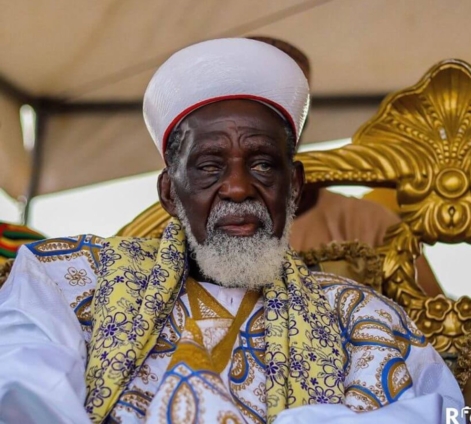
The Office of the National Chief Imam has backed the introduction of Arabic as an optional subject in public schools.
It said the policy would give students valuable linguistic skills for global engagement and urged addressing concerns about the teaching of Arabic through constructive dialogue.
A press statement signed by Dr Abubakari Mohammed Marzuq Azindoo, Personal Assistant to the National Chief Imam, said Arabic was a global language used in diplomacy, science and commerce, rather than a religious identity or practice.
The statement followed a recent announcement by Mr Haruna Iddrisu, Minister of Education, to introduce Arabic and Chinese as optional subjects in public schools.
Some stakeholders have raised concerns about the policy, citing the perceived neglect of Ghanaian languages in favour of foreign languages.
However, the Office said: “an increasingly interconnected global economy, equipping the youth with diverse linguistic skills is a strategic investment in their future,” the statement said.
It noted that Arabic was one of the six official languages of the United Nations and a major language of communication across economically vibrant regions of the world.
The Office commended the Ministry of Education for introducing a standardised curriculum through the National Council for Curriculum and Assessment (NaCCA), saying it would provide quality assurance for students who opted to study the language.
It said the curriculum would also enable students to participate effectively in international diplomacy, trade and research.
The Office welcomed the Ministry’s clarification that Arabic remained strictly optional and was neither compulsory nor intended to undermine the secular character of Ghana’s public education system.
It said Ghana’s constitutional order guaranteed religious freedom while prohibiting the establishment of a state religion, and urged that public discussion of the policy be guided by facts.
The statement compared Arabic to foreign languages such as French, German, and Spanish, saying that it had enriched academic development without altering students’ cultural or religious identities.
It urged educationists, policymakers and the public to approach the policy objectively and verify information from credible sources to guard against misinformation and disinformation.
The Office reaffirmed its commitment to working with the Ministry of Education, the Ghana Education Service and other relevant institutions to promote an inclusive, peaceful and globally competitive education system.
Latest Stories
-
When a wife helps build the dream: Celebrating Apostle Mrs. Rita Korankye Ankrah at 40 years of marriage
4 minutes -
NDPC, AGI and Coca-Cola engage on Ghana’s evolving food and nutrition policy
6 minutes -
Joyce Bawah Mogtari urges diaspora women to turn investment into generational wealth
19 minutes -
Dr Bawumia urges new NPP Ashanti Regional executives to prioritise inclusion for 2028 victory
20 minutes -
GIS urges public to channel donations to social welfare and credible NGOs instead of street beggars
41 minutes -
Ghanaian businesses cautiously optimistic about 2026 performance – Chamber
1 hour -
Ghana Reference Rate drops to 10.18% in September, could ease borrowing costs
1 hour -
Chief Imam backs optional Arabic in public schools
2 hours -
Mahama lauds Dr Kwame Nkrumah’s pioneering role towards NAM formation
2 hours -
UK pledges additional £50 million to help contain Ebola outbreak in Congo
2 hours -
Oil prices extend gains as US and Iran trade fresh strikes
2 hours -
Dropbox says about 5,000 accounts compromised in August hack
2 hours -
Could Tupac verdict inspire new efforts to find killer of his rival the Notorious B.I.G.?
2 hours -
District Assembly elections set to become major flashpoint in constitution review
2 hours -
IMANI engages Education Ministry as 10,730 public basic schools face classroom deficit
3 hours