


Audio By Carbonatix
A few months after the Ghana Immigration Service (GIS) conducted a widely publicised deportation exercise to clear Accra's streets of undocumented beggars, the story has taken a familiar and frustrating turn as the culprits are back in large numbers.
The return of these individuals, many of whom are foreign nationals, is raising serious questions about the effectiveness of the initial operation and the porous nature of Ghana’s borders.
Earlier this year, the GIS launched a major swoop, rounding up dozens of undocumented immigrants and repatriating them to their home countries in a move that was hailed as a decisive step to restore sanity and order to the city.
However, a recent survey reveals that the beggars, including adults and young children, have resurfaced on major streets, pavements, and under bridges, including key areas like the Obetsebi Lamptey Circle, Lapaz, and the 37 Station.
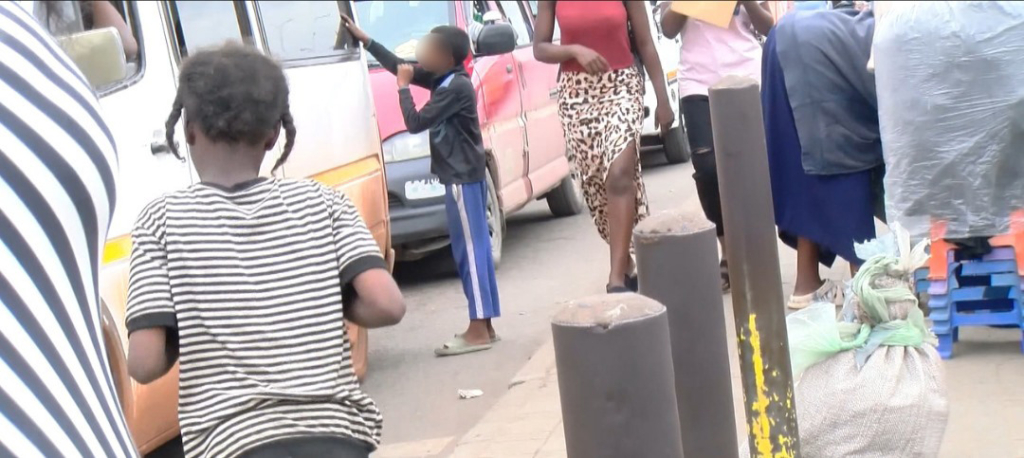
At the bustling Lapaz intersection, a JoyNews team observed a young boy knocking on the windows of vehicles, a common sight that many drivers find both frustrating and concerning.
One driver, who wished to remain anonymous, lamented the situation.

"These Niger nationals were sent to their country, but they are back, posing a great inconvenience to both pedestrians and drivers alike," he said.
He added a more serious note, stating that "children as little as one, two, or three years, cross the road indiscriminately, sometimes resulting in accidents."
The issue is not just a nuisance but a humanitarian crisis. A female trader at the Obetsebi Lamptey Circle voiced her frustration, arguing that since the immigrants have no legal business in the country, they should be returned to their homes.
She pointed a finger at immigration officials, alleging that some "take bribes from these beggars and grant them access to the country" at various border checkpoints.
Another driver speculated that not all the beggars were repatriated in the first place, with some having "dodged the swoop operation" and simply returned to the streets once the coast was clear.
The recurrent presence of beggars highlights a systemic challenge.
Data from the GIS in 2024 indicated that a significant portion of repatriated individuals were from neighbouring West African countries, primarily Niger and Nigeria.
The sheer volume of these returns suggests a need for more than just periodic raids. Experts argue that without a comprehensive strategy that addresses border security, the root causes of migration, and stricter enforcement, such operations will remain a temporary fix.
The situation leaves many Ghanaians questioning how effective deportations truly are and for how long Accra's streets will be home to this complex issue.
The ongoing cycle of removal and return poses a pressing challenge to national security and the quest for a more orderly urban environment.
Latest Stories
-
Tyson Fury dominates Makhmudov, calls out Joshua next
17 minutes -
I have supported highway authority financially to fix roads in my constituency – A Plus
1 hour -
US, Iran fail to reach peace agreement after marathon talks in Pakistan
2 hours -
ECG kicks off Phase Two of transformer upgrades at Lashibi; brief outages expected
2 hours -
Port crises loom as 11,000 drivers threaten four-day strike
3 hours -
A source of excellence across generations – Vice President Opoku-Agyemang lauds Mfantsipim
4 hours -
(Photos) Mfantsipim School launches historic 150th anniversary
4 hours -
Knights and Ladies of Marshall group backs Catholic Bishops’ stance on anti-LGBTQ+
5 hours -
Bright Simons writes: All the Filla in the Ibrahim Mahama/E&P – Gold Fields Saga
6 hours -
Monetise Idiocy In Ghana
6 hours -
The Ghanaian prophet and the mysterious death of his scottish wife Charmain Speirs
7 hours -
Nearly 400 sentenced in Nigeria for links to militant Islamists
7 hours -
Ghana’s recovery supported by gold strength despite global oil price pressures – Standard Bank Research
7 hours -
Methodist Church hails Mfantsipim@150; calls for “fresh consecration” to excellence
7 hours -
‘Excellence is our inheritance’ – Nana Sam Brew-Butler hails Mfantsipim’s 150-year reign in leadership
8 hours