

Audio By Carbonatix
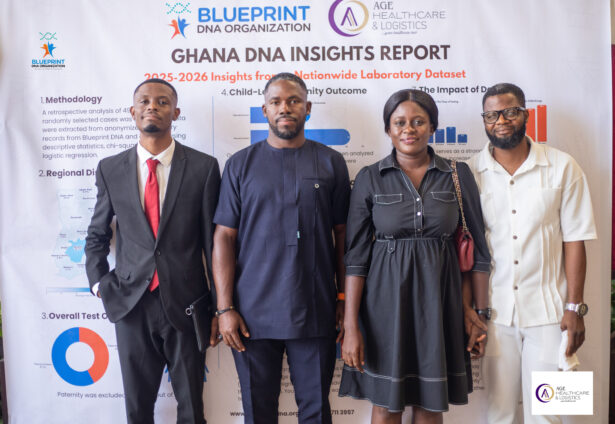
A new national insights report released by Blueprint DNA provides one of the most comprehensive analyses to date of how paternity DNA testing is being used in Ghana.
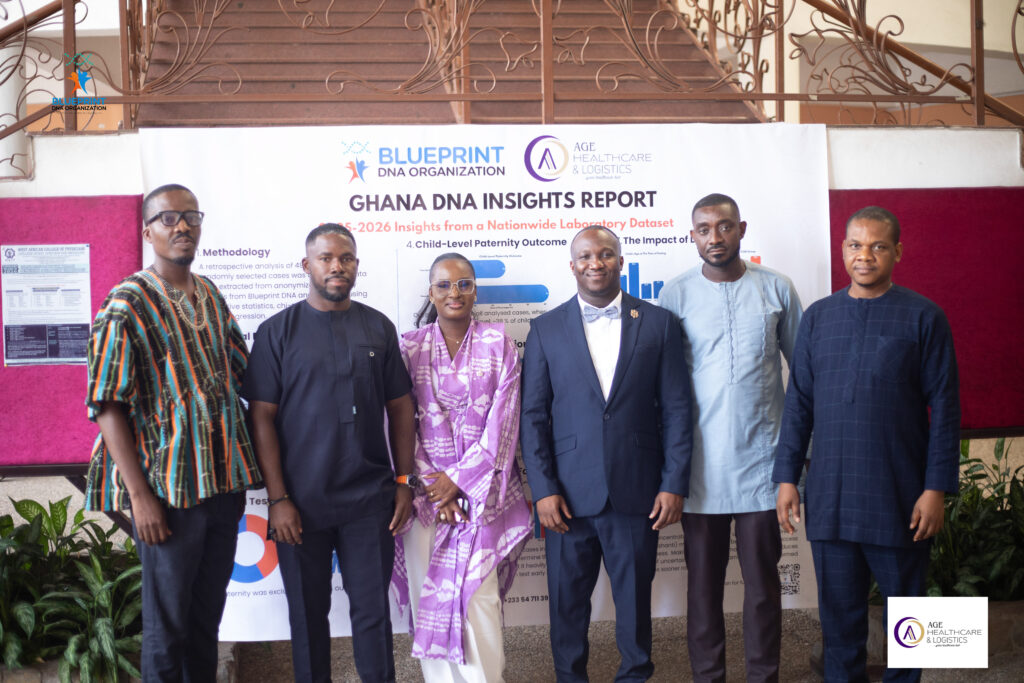
The report was presented at a Stakeholder and Media Briefing held at the Ghana College of Physicians and Surgeons on Wednesday, March 25, 2026, with representatives from key institutions, including the Ghana Medical Association, Ghana Bar Association, Ghana Registered Nurses and Midwives Association, and the Ghana Association of Medical Laboratory Scientists in attendance.
The report, Understanding Paternity Testing in Ghana: Findings from a Nationwide Laboratory Dataset, examines patterns in testing behaviour, timing of testing, and outcomes observed in paternity testing cases processed through a nationwide DNA laboratory network.
Among the key findings, paternity exclusion was observed in approximately 42% of cases analyzed. This reflects outcomes within a population of individuals who sought testing due to existing uncertainty and does not represent the general population.
Beyond overall outcomes, the analysis revealed several notable patterns in how DNA testing is being used. Nearly 58% of children involved in testing were under six years of age, suggesting that many families seek confirmation of biological parentage during early childhood.
The report also identified a clear behavioral pattern in testing. Younger individuals were more likely to seek testing early in a child’s life, while older individuals were more likely to present for testing after extended periods.
Cases involving older children showed higher exclusion rates, suggesting that testing often occurs after uncertainty has developed or intensified over time.
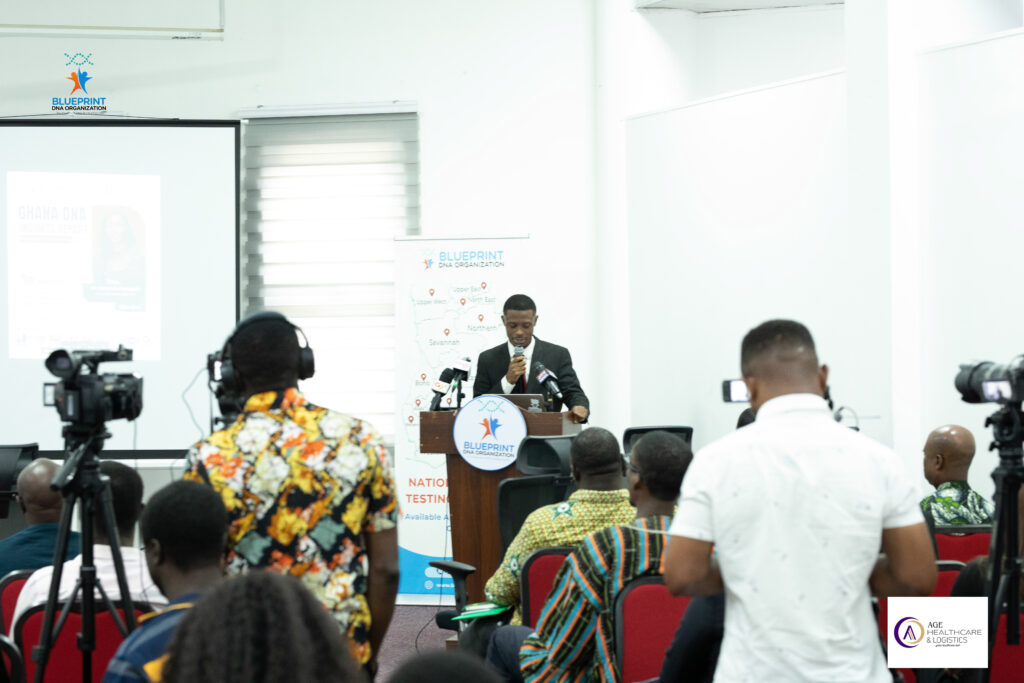
Speaking at the event, the Medical Director of Blueprint DNA, Dr Abeiku Ghansah, noted: “The report is based on anonymized laboratory data and is intended to contribute to public understanding of DNA testing trends in Ghana.
"It is important to interpret these findings within the context of individuals who actively sought testing, rather than as a reflection of the general population.”
Executive Lead at Age Healthcare Consult, Dr Emmanuel Gyimah Amankwa, speaking at the event, noted that the report comes at a time when national discussions have increasingly focused on questions of biological parentage and child identification, including ongoing debates around proposed legislation addressing paternity-related issues.
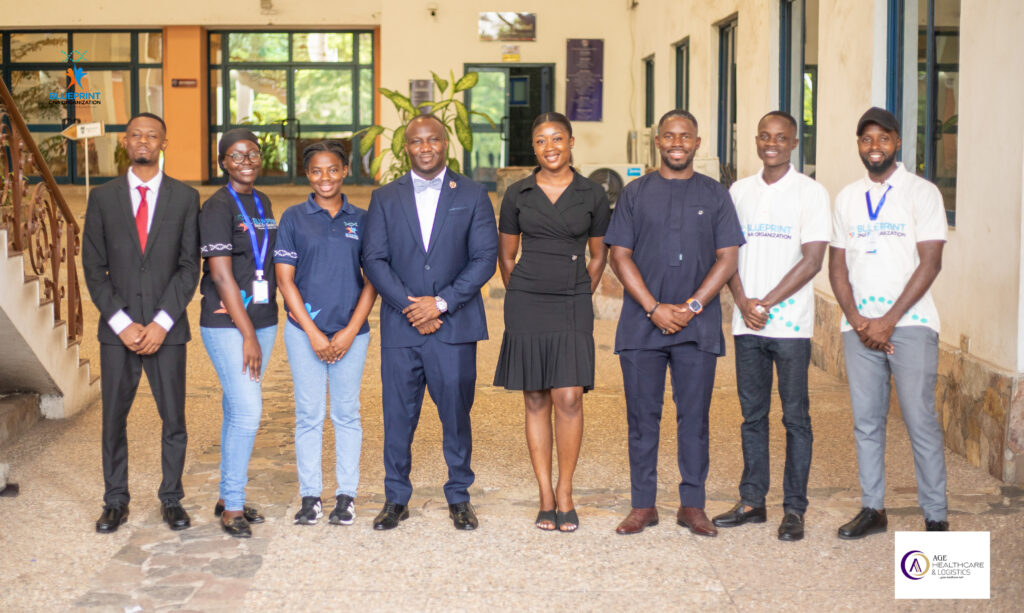
Blueprint DNA indicated that the Insights Report forms part of its broader effort to contribute data-driven perspectives to discussions around DNA testing and its role in society and healthcare. There was education on their new diagnostic testing, NIPT (Non-Invasive Prenatal Screening) for diagnosing genetic health conditions such as Downs and Edward Syndrome from eight weeks of pregnancy.
Latest Stories
-
Man City suffer as PSG masterclass sets up Champions League win
49 minutes -
Customer Service Africa CEO urges business leaders to observe staff and customer interactions
59 minutes -
On night of mayhem for Liverpool, Barcola arrives in style
1 hour -
Muzic Mensah finds healing and renewed love in new single ‘WayƐ Late’
1 hour -
FIFA to offer extra £2.6bn for football development
1 hour -
Government backing is no EPA permit – Authority warns GoldBod, ministries
1 hour -
Real Madrid produce stunning late fightback to down Roma
2 hours -
EPA orders immediate halt to unpermitted reclamation and dredging nationwide
2 hours -
Afenyo-Markin’s lawsuit against Sammy Gyamfi takes focus away from development – Kpebu
2 hours -
FWSC urges media to guard against misinformation in proposed IPEC transition
2 hours -
MoMo Fest 2026: Shatta Wale to Rock Accra Stadium on October 17
2 hours -
GTEC’s letter directing public universities to reopen by October 16 is unprofessional – GAUA
2 hours -
Suspect in viral video assaulting wife jailed for 3 months
2 hours -
GAUA insists strike will end only after Fair Wages addresses market premium issue
2 hours -
Kpemka seeks compensation as he sues BOST over alleged unlawful termination
2 hours