

Audio By Carbonatix
A ban on some single-use plastic products will come into force across England on Sunday.
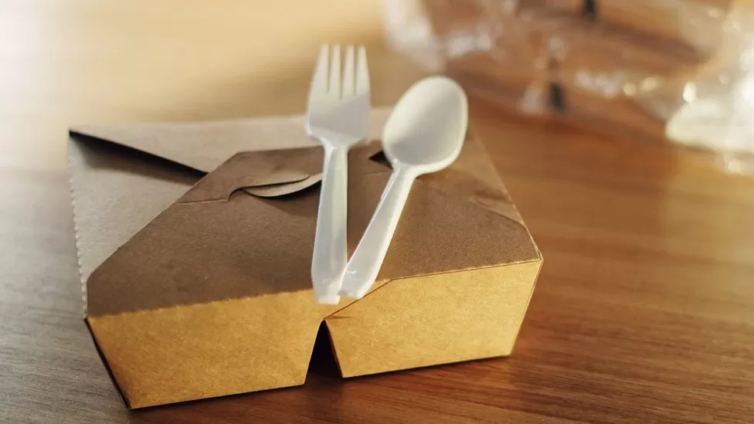
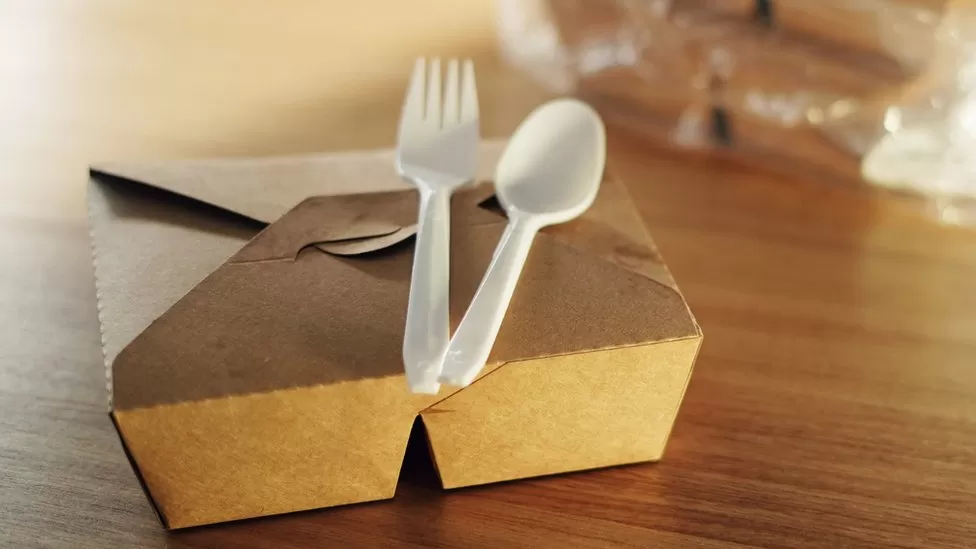
Shops and hospitality businesses will no longer be able to supply plastic cutlery, balloon sticks and polystyrene cups under the new rules.
The government says the move will "tackle the scourge of litter and protect the environment from plastic pollution".
But councils have warned that some firms are not ready for the change.
Around 1.1 billion single-use plates and more than four billion pieces of plastic cutlery are used in England every year, government figures suggest.
The vast majority of these products cannot be recycled and can take hundreds of years to biodegrade in landfill sites.
From Sunday, some new restrictions will also be applied to the supply of single-use plastic plates, bowls, and trays - but exemptions are in place for takeaways and other businesses which sell pre-packaged food.
The new rules, which were first announced in January, are part of a wider goal to eliminate avoidable plastic waste by 2042.
Environment minister Rebecca Pow said the government has already implemented "world-leading" bans on straws, stirrers and cotton buds, as well as rolling out charges for carrier bags and an industry tax on large plastic packaging imports.
She said the latest ban will "protect the environment and help to cut litter - stopping plastic pollution dirtying our streets and threatening our wildlife".
Rules vary in different parts of the UK, but Wales and Scotland have pursued similar policies to those coming into force in England.
The ban in England will be enforced by local trading standards officials but a body representing councils warned some businesses and customers are unaware of the change.
Darren Rodwell, environment spokesman for the LGA, said: "This is a valuable policy to reduce waste but there is still more to do."
Some environmental campaigners have criticised the government for not introducing wider restrictions on plastic products.
Anna Diski, plastics campaigner for Greenpeace UK, told the BBC: "Legislating token bans on a few single-use plastic items every few years... [is] completely inadequate to the scale of the problem.
"Instead of this piecemeal approach, the government needs to address the problem at source and roll out a serious strategy to cut how much plastic is being produced."
Latest Stories
-
Adwoa Safo backs Israel Safo, urges Kantanka family unity
2 minutes -
Russian strike on buses kills 33, say officials, as deadly attacks on Ukraine surge
7 minutes -
Group of 20 graduates rescued after being abducted in Nigeria
20 minutes -
LA 2028: Black Queens set for first steps of Olympic Games against Mauritius
28 minutes -
Christa Pike now walking after failed US execution, lawyer tells BBC
34 minutes -
US and Lebanon protecting wanted Syrian general, BBC finds
39 minutes -
MTTD records 2,151 road deaths in 10,157 crashes between January and September
41 minutes -
Most UK diplomats to leave East Jerusalem consulate, Israel says, as Miliband says ‘vital services’ to rema
42 minutes -
Youth Ministry engages Parliament on programmes to expand opportunities for young people
45 minutes -
Ghana needs 150,000 more tonnes of palm oil annually to meet demand – OPDAG
46 minutes -
Bokpin cautions Ghana against abandoning existing partnerships over BRICS membership
49 minutes -
Premier League clubs fear political interference in Man City appeal
49 minutes -
VSA and VIA crown 18th anniversary with full scholarships for three brilliant students
53 minutes -
Road crashes in Ghana fall 9.48% in September 2026, fatalities drop 7.82% – MTTD
1 hour -
Youth Ministry, Parliament must deepen collaboration to expand opportunities – Opare Addo
1 hour