

Audio By Carbonatix
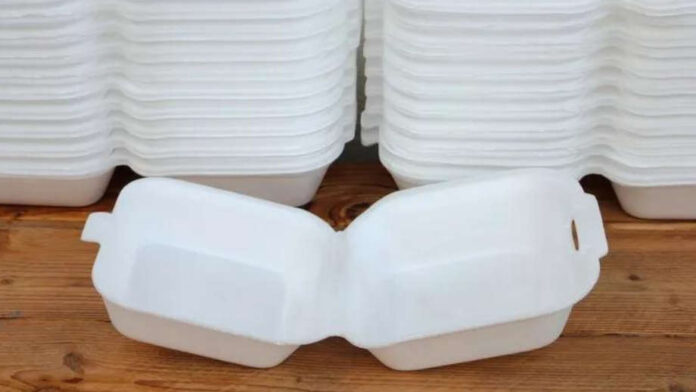
The Environmental Protection Authority (EPA) has defended the government’s decision to ban Styrofoam takeaway packs, insisting the move is aimed at protecting public health and tackling the country’s growing plastic pollution crisis.
The nationwide ban on the production, importation, distribution, sale, and use of polystyrene foam products commonly known as Styrofoam takeaway packs is scheduled to take effect on January 1, 2027.
According to the EPA, the decision follows years of scientific evidence showing that Styrofoam containers pose significant health risks, particularly when used to package hot, oily, or acidic foods.
The authority also cited the increasing environmental burden caused by discarded Styrofoam products, which frequently clog drainage systems, pollute beaches and waterways, and disrupt fishing activities.
Speaking in an interview, the Director of Human Settlements at the EPA, Hope Smith Lomotey, said the ban is not intended to eliminate takeaway food packaging but to encourage the use of safer and environmentally friendly alternatives.
He explained that Styrofoam containers release harmful chemicals when exposed to heat or when they come into contact with oily or acidic foods, making them unsafe for everyday food packaging.
“Anytime heat gets in contact with this styrofoam, it releases chemicals that are harmful to human beings. Immediately oily foods come into contact with it, it releases these toxins, and acidic foods also cause it to release a lot of toxins that are not good for our health,” Mr Lomotey stated.
He noted that popular meals such as kenkey, instant noodles, shito, and even acidic beverages and citrus fruits are among the food items that can trigger the release of these harmful substances.
Mr Lomotey stressed that the government’s decision is based on long-standing scientific evidence rather than precaution, arguing that the health and environmental consequences of continued Styrofoam use can no longer be ignored.
Beyond the health concerns, he said the widespread disposal of Styrofoam has become a major environmental challenge, with large quantities ending up in drains, rivers, beaches, and the sea.
“For human health, it’s not safe. Public health is not safe. Environmentally, we are seeing it in our drains and in the sea. Our fishermen go to sea and harvest some of these plastics and styrofoam. I think we have all reached a point where we have agreed that enough of the problem is enough,” he added.
The EPA maintains that the transition to alternative packaging materials will help reduce plastic pollution while safeguarding public health without disrupting the takeaway food industry.
Latest Stories
-
Education Ministry commends Ghanaian teachers on World Teachers’ Day 2026
2 minutes -
NPP can reconcile with aggrieved members who want to return – Nana Akomea
14 minutes -
Tamale Child Deaths: Vehicle owner arrested as IGP deploys homicide team
29 minutes -
From ShattaFest to MoMo Fest: Entertainment takes centre stage in youth engagement
36 minutes -
Nigerian military aircraft crashes, killing 32
41 minutes -
MTN encourages Ghanaians to use MoMo for saving, investing and financial planning
41 minutes -
Absa Bank Ghana names Stephen Ato Frimpong as Board Chair
49 minutes -
Pickford ‘almost caused crash’ with careless driving
51 minutes -
Author and former politician Jeffrey Archer dies aged 86
1 hour -
No education reform can succeed without teachers – Education Ministry
1 hour -
Gauff condemns racist abuse after China Open win
1 hour -
Medvedev disqualified for hitting spectator with ball
2 hours -
Oliseh scores twice in late comeback win for France
2 hours -
Pentagon stops using Anthropic AI tools after blacklisting company, BBC told
2 hours -
From despair to dance: Family of nurse Salomey Baffoe rejoices after GH¢100k bail granted
2 hours