

Audio By Carbonatix
As investor preferences evolve and returns become more nuanced, low-density luxury living is emerging as a smarter, more resilient investment strategy.
For many years, real estate success in Accra followed a simple rule: the more units you could fit on a piece of land, the better the returns. Developers built taller, apartments became smaller, and density became the default strategy. For a time, it worked. Today, however, that logic is being questioned.
Accra’s property market is evolving, and so are the people investing in it. Buyers and investors are no longer focused only on quantity or short-term gains. Instead, they are paying closer attention to how developments actually function as places to live, how much space they offer, how private they feel, and how well they support everyday life.
This shift is especially noticeable among well-travelled professionals, high-net-worth individuals, and owner-occupiers who split their time between Ghana and major global cities. In places like London, Dubai, New York, and Cape Town, luxury living is rarely about how many apartments sit in a building. It is about calm arrivals, fewer neighbours, generous layouts, and a sense of privacy.
When these individuals return to Accra, their expectations do not change. High-density developments, even when located in prime areas, often struggle to deliver the experience they are accustomed to.
Congested parking, crowded shared spaces, noise, and rising service charges can quickly undermine the appeal of the location alone.
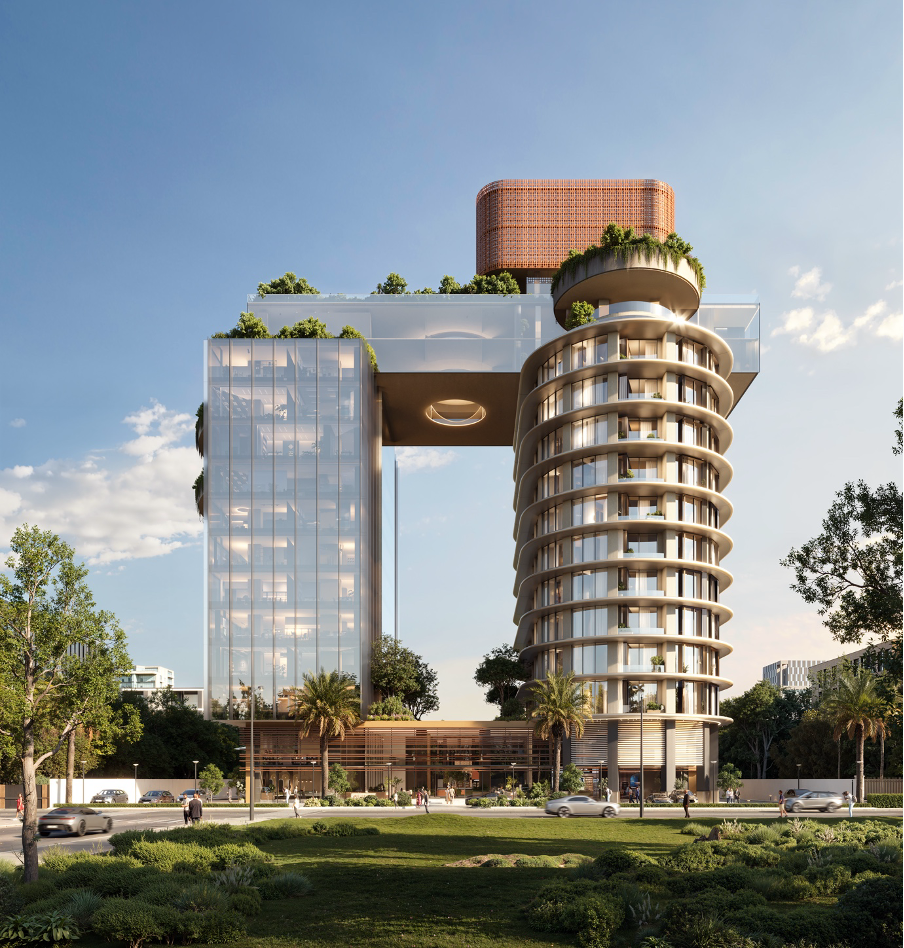
Low-density developments offer a clear alternative. With fewer units, residents enjoy quieter surroundings, better air circulation, and a greater sense of control over their living environment. For investors, this translates into more stable demand, longer tenancies, and reduced vacancy risk.
There are also practical advantages. Developments with lower density typically experience less wear and tear, lower long-term maintenance pressure, and stronger differentiation in a market increasingly saturated with high-rise apartment blocks.
As a result, low-density luxury living is gaining recognition not just as a lifestyle choice, but as a smarter investment strategy, one that aligns financial performance with livability and long-term relevance.
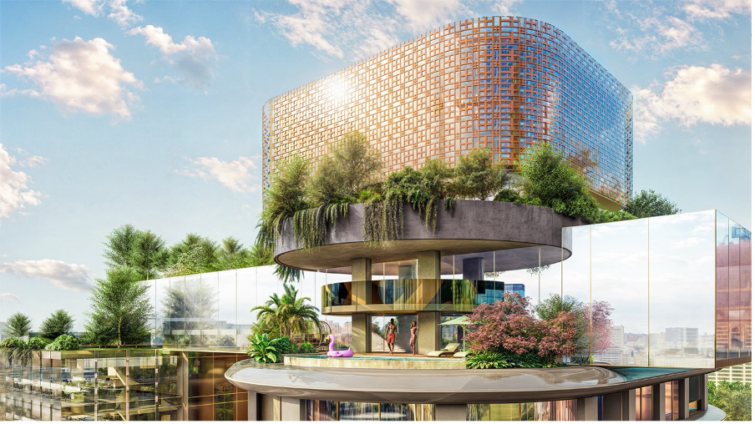
This thinking underpins the vision of developers such as Duston Properties, whose flagship development, Euphoria, reflects a deliberate focus on space, privacy, and contemporary design. Projects of this nature point to a broader shift underway in Accra’s real estate market.
The future of property investment in the city will not be defined solely by density or scale. It will be shaped by developments that prioritise quality of life while delivering sustainable value to investors.
Latest Stories
-
NDC threatens sanctions over oversized campaign posters, gives aspirants 5 days to comply
52 minutes -
Star Oil paid GH¢2.7bn in taxes, levies in nine months of 2026
1 hour -
Samson’s Take: The rule of law is cheaper before the bulldozer
1 hour -
GRA blames system failure for delay in issuing receipt over passenger’s customs duty
1 hour -
Livestream: Newsfile discusses World Cup visa scandal, beach demolitions, education strikes, BRICS bid
2 hours -
NC-PTAs welcomes end of teachers’ strike, urges parents to prepare children for Monday
2 hours -
Government procures over 2,000 transformers as Ghana’s electricity access hits 89.13% – Energy Minister
2 hours -
UTAG-UG threatens strike on October 19 over unpaid allowance
2 hours -
Let The Constitution direct Chieftaincy to deliver “All Development Is Local”
3 hours -
John Jinapor outlines renewable energy, nuclear power priorities for 2027
4 hours -
Ghana explores centre of excellence for hearing, communication and cochlear implant care
5 hours -
Schizophrenia-related disorders lead mental health cases recorded in Ghana
5 hours -
Dutch authorities enlist Ghana in hunt for fugitive drug lord Bolle Jos
6 hours -
Ghana housing finance conference adopts communiqué to improve affordable housing access
10 hours -
Special Initiatives Minister urges Wa Technical Institute to enrol more girls as EU-backed solar training lab opens
10 hours