


Audio By Carbonatix
The Central Tongu District in the Volta Region is scaling up awareness efforts to address rising cases of teenage pregnancy, which officials describe as a persistent socio-economic and public health challenge affecting adolescents in the area.
The District Chief Executive, Addison Mornyuie, has identified the phenomenon as a serious concern driven by a combination of social pressures, economic hardship, and gaps in parental guidance.
He made the remarks during an educational outreach programme held at Mafi-Sasekpe, where health professionals engaged adolescents on menstrual hygiene management and reproductive health awareness.
Speaking to journalists on the sidelines of the event, Mr Mornyuie stressed that sustained education for both young people and parents remains central to efforts aimed at reversing the trend.
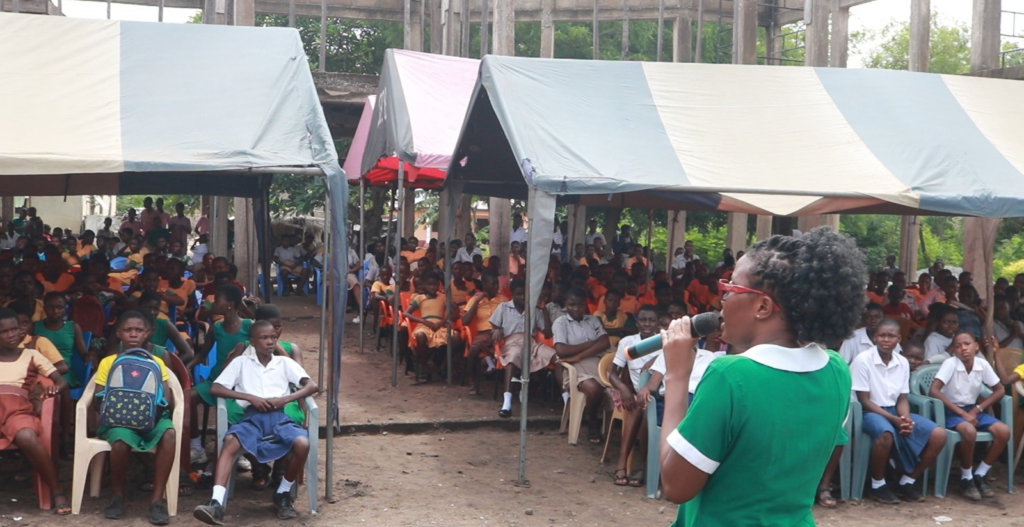
He also indicated the Assembly’s willingness to partner non-governmental organisations, civil society groups and individuals to strengthen community-wide sensitisation campaigns.
“We need to invite on board some NGOs. We need to invite on board individuals who have the interest and wellbeing of our children at heart,” he said.
The programme also brought together traditional leadership, including the Queen Mother of Mafi-Sasekpe, Mamaga Klebetesi III, who raised concerns about what she described as declining parental responsibility in the upbringing of the girl-child.
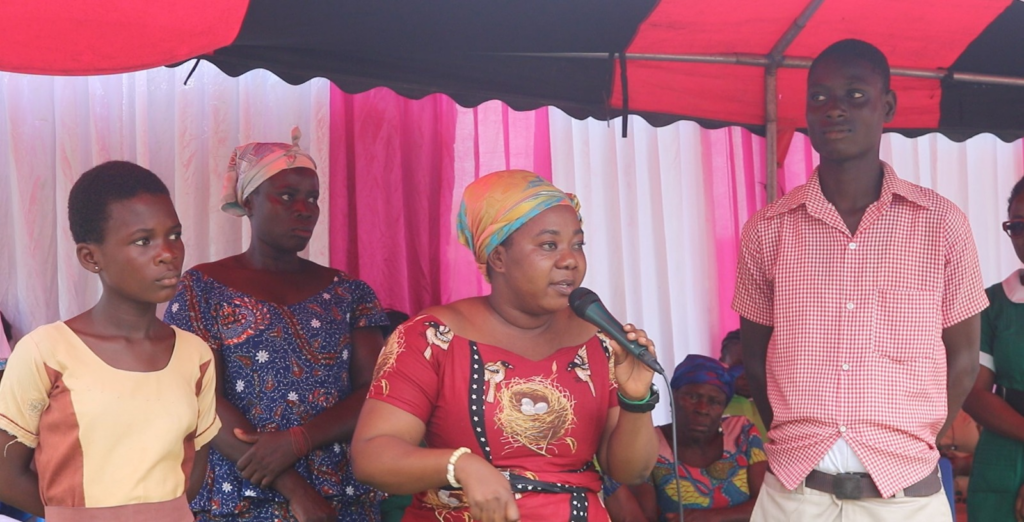
She appealed for greater investment in education and healthcare in the community, urging philanthropists and corporate organisations to support local development initiatives.
According to her, misconceptions about the importance of girls’ education continue to undermine progress in the community.
The initiative was led by Ethel Tsidi, a Senior Staff Midwife at the Mafi-Sasekpe Health Centre, who explained that the outreach was designed to close knowledge gaps around menstruation and teenage pregnancy among adolescents.
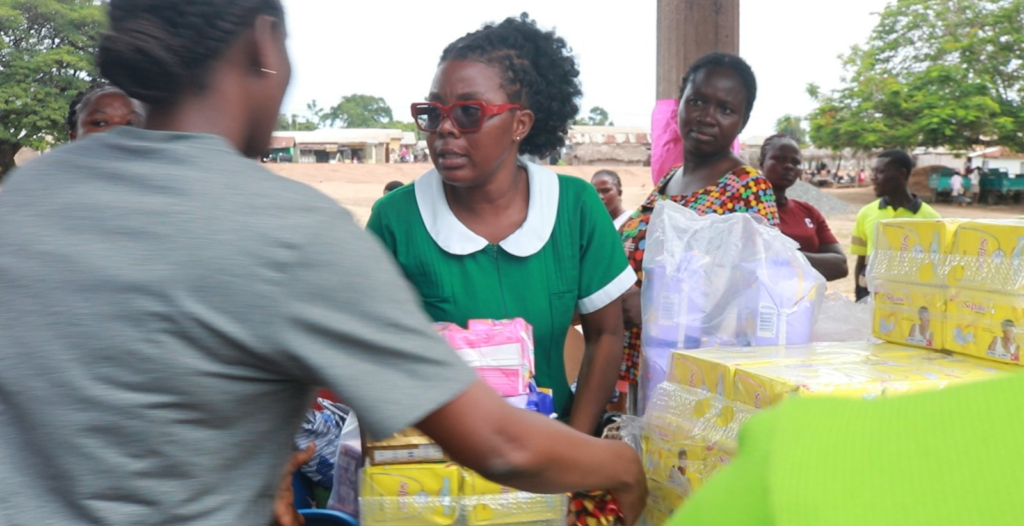
She noted with concern that health workers are increasingly recording pregnancies among girls as young as 12, a development she described as alarming.
Ms Tsidi emphasised that equipping young girls with accurate reproductive health information would empower them to make informed decisions and reduce their vulnerability to early pregnancy.
Teenage pregnancy remains a major challenge in Central Tongu, with data indicating persistently high prevalence rates over the years.
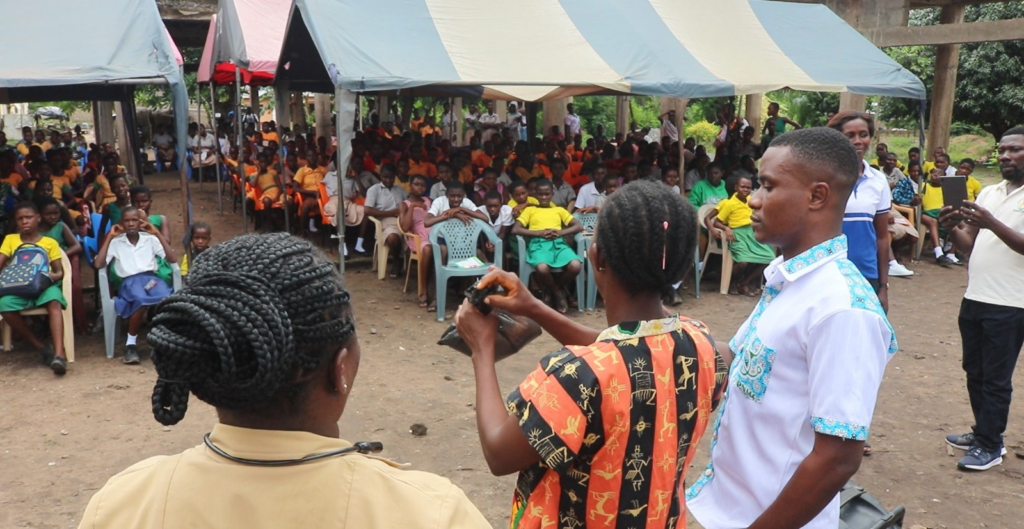
Public health experts attribute the trend to inadequate sexual and reproductive health education, poverty, peer influence, sexual abuse, child neglect and weak parent-child communication.
Latest Stories
-
Health professionals urged to translate medical knowledge into practice to save mothers
4 minutes -
Conflicts among care providers linked to maternal, neonatal deaths – Expert
2 hours -
GIS marks 10th TIME conference, champions improved teaching practices
2 hours -
BRICS Or Balance? What Ghana’s bid really means
2 hours -
GPRTU wants full TRAFFITECH-GH implementation to start in 2027
3 hours -
Mahama announces plans to import electric wheelchairs for PWDs
3 hours -
KGL U17 Colts 2026: Western beat Prempeh Elite Academy to set up final final with Greater Accra Region
3 hours -
Late Solanke strike salvages 10-man Spurs draw at Man United
3 hours -
Gender Ministry to monitor welfare of Nana Akua Addo’s children amid domestic violence case
3 hours -
Benedict Okyere Yeboah: Ghana’s football problem goes beyond sacking a coach
3 hours -
GPL 2026/27: Darkwah Wiafe’s winner sees All Blacks beat Kotoko
3 hours -
ITF World Tour : Patel Wins Boys’ Singles Final at J100 Accra
4 hours -
Ghana must pursue BRICS partnership if it brings economic benefits – Kpebu
4 hours -
Success and Wright Claims J100 Accra Girls’ Doubles Championship
4 hours -
ITF J100: America’s Wright wins J100 Accra Girls’ Singles Title
4 hours