

Audio By Carbonatix
President of the Zambia Union of Journalists (ZUJ), Darlington Mwendabai, has urged young reporters to abandon the mindset of competition and embrace collaboration across media platforms.
Speaking to a diverse group of journalists drawn from over 25 African countries, Mr. Mwendabai, reflected on his personal journey in the profession.
He spoke passionately about the need for journalists to understand and celebrate their unique roles - whether in print, radio, or television - rather than comparing or competing with one another.
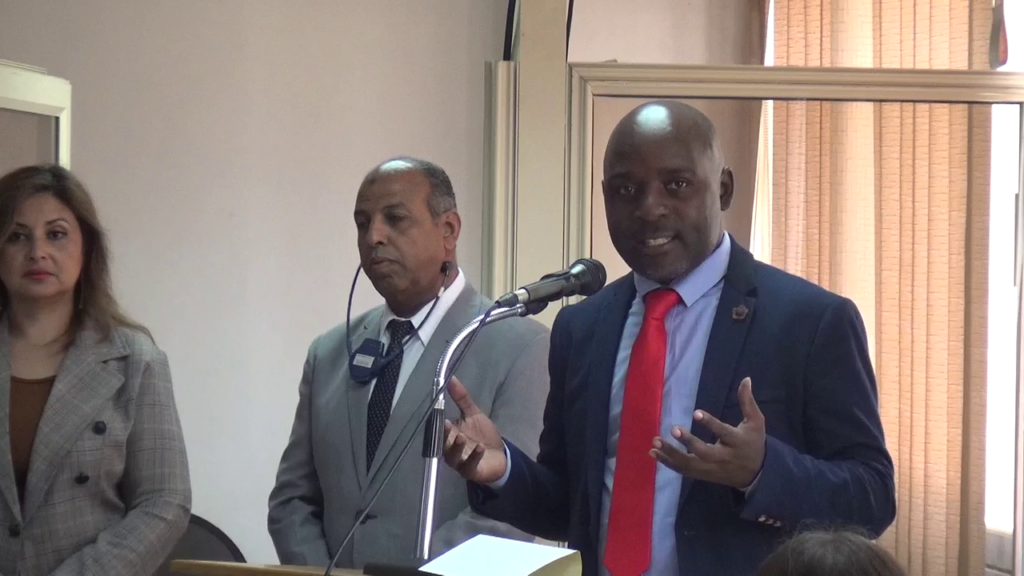
“Over the last 20 years, I’ve learned that I shouldn’t compete - because I’m different from my friend, who is also uniquely different,” he said. “Those of us in print cannot compete with those on TV, and those on TV cannot compete with those on radio. So how are we going to win the race? We need to stick to our own specialties,” the ZUJ president said.
He likened the collaborative work of journalists to weaving a rich, multi-textured story from the same event - each format offering a different thread. He pointed to the opening ceremony of the Union of African Journalists programme itself as an example: “I’m writing for print, you’re using your camera, someone else is using the microphone. If we all cover this same moment in our different ways, the audience will get a fuller, richer picture.”
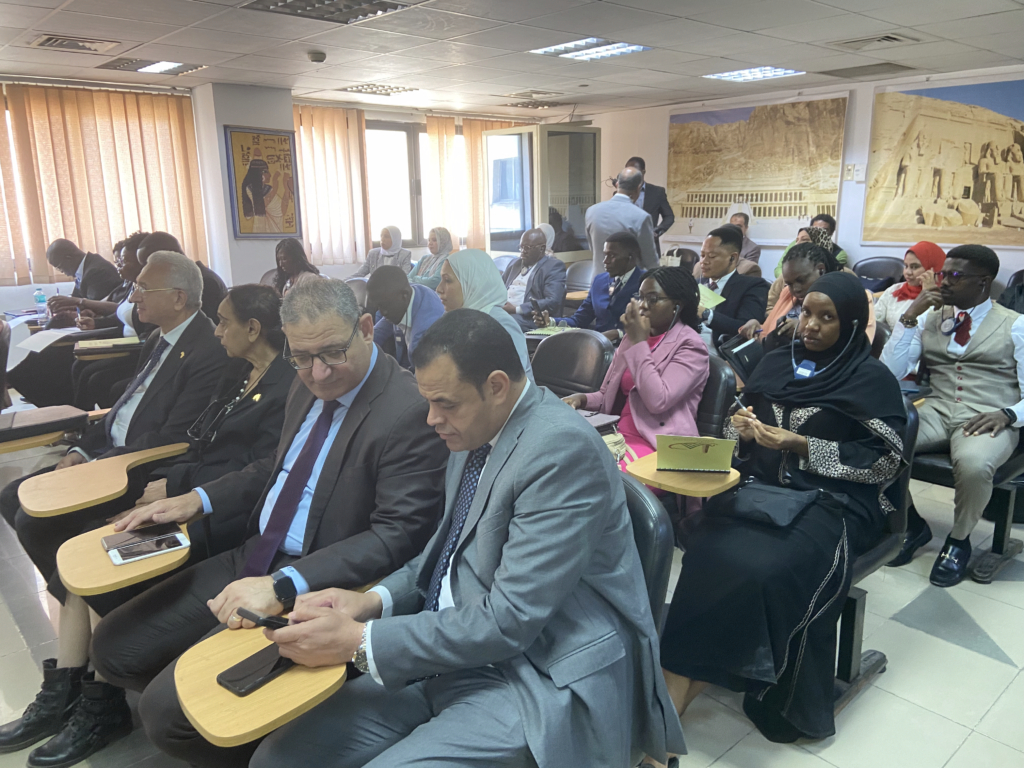
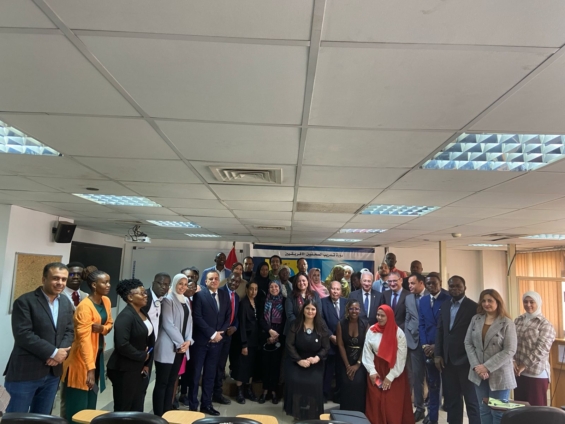
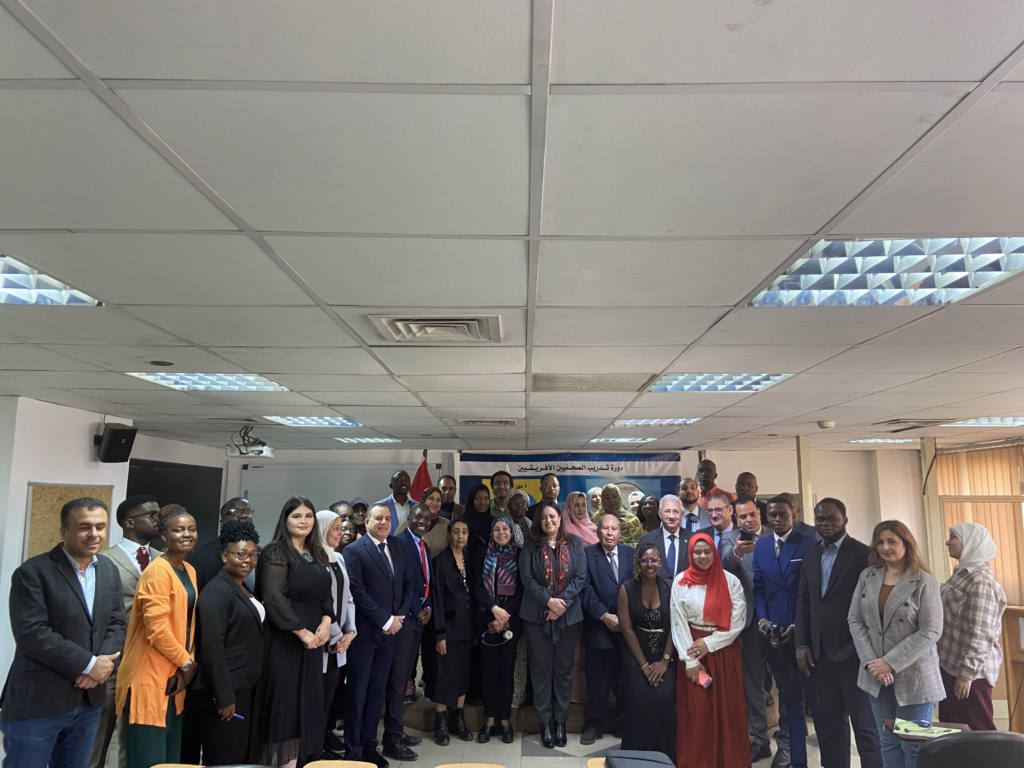
The ZUJ president made these comments at the opening ceremony of the 60th Training Programme for Young African Journalists in Cairo, Egypt.
The three-week long training, hosted in Egypt, will feature workshops that address critical issues facing modern journalism - from the impact of social media on traditional media, to how journalists can navigate and counter false news.
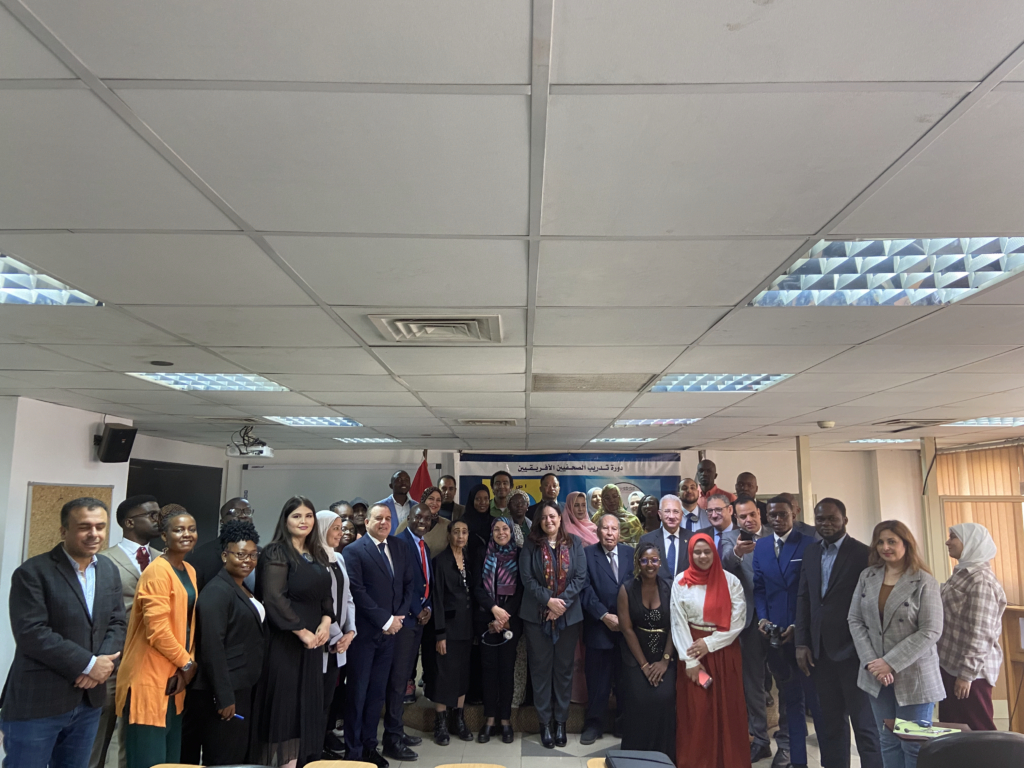
Participants will also explore Africa and the Palestinian cause, Free Trade Zone and Economic Integration, Opportunities and Challenges in Africa, African Soft Power as well as African media in front of the new international conflict.
With a voice equal parts gentle and resolute, the ZUJ President reminded his peers that "Our job as journalists is to show the story, not to tell the story."
He urged journalists to step back and allow their readers, listeners, and viewers to interpret and experience the story for themselves.
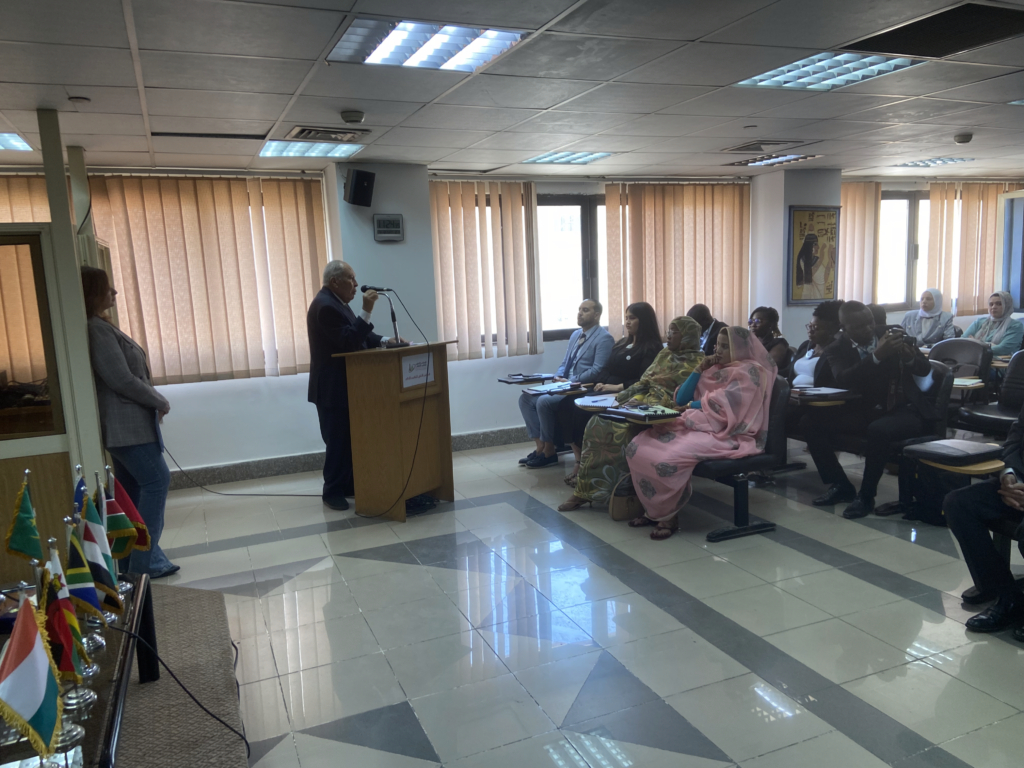
But beyond the technical skills, Mr. Mwendabai who is the former Secretary-General of the Psychology Association of Zambia (PAZ) placed heavy emphasis on something often overlooked in the newsroom: mental health.
He spoke candidly about the emotional toll of journalism and the silent suffering many endure.
“I understand the stress you go through in your newsroom. Mental health is a big issue. You can see it on the faces of journalists - working tirelessly to get a story out. And yet, our mental health is rarely taken care of.”
He called on media managers and journalists alike to build cultures of support within their newsrooms, where honest conversations about burnout, stress, and emotional wellbeing are not sidelined but prioritised.
“As we tell the stories of our communities, we should also strive to be happy, healthy, and stress-free storytellers,” he said.
Throughout his address, the mood in the room shifted from admiration to quiet self-reflection. There was a sense that this gathering was not just about mastering new media tools, but about rediscovering the purpose and power of journalism in a rapidly changing continent.
Latest Stories
-
John Boadu can appeal across Ghana’s social groups – Prof Mike Oquaye
6 minutes -
‘Electing Kojo Bamba is backward politics’ – Mustapha Gbande
20 minutes -
Government must order payment of promoted teachers’ salaries – GNAT
30 minutes -
Meet Sethina Edem Sunu, the healthcare professional eyeing the NDC UK & Ireland deputy organiser role
34 minutes -
The myth of ‘sophisticated customer experience’ in the digital age
38 minutes -
What happened to lands reserved for sanitary sites? -WasteCare CEO calls for audit
38 minutes -
Manasseh Writes: The shift in the NPP
54 minutes -
The price of a seat: Financial barriers and the structural quality of Ghana’s Parliament
59 minutes -
Government targets October 16 for first tranche of teacher arrears – Haruna Iddrisu
1 hour -
Daily Insight for CEOs: The CEO’s role in driving innovation
1 hour -
Audit existing sanitary sites to address waste management land shortages – WasteCare CEO urges assemblies
1 hour -
Two-bin household waste system could support waste-to-energy in Ghana – Waste Care Associates CEO
1 hour -
Dealing with political and social media insults
1 hour -
Essi Donkor urges stronger support for girls’ education, announces GH¢2,000 BECE reward
1 hour -
Ghana still needs landfills but Accra should prioritise waste-to-energy – Waste Care Associates CEO
1 hour