

Audio By Carbonatix
Former Deputy Finance Minister Dr Stephen Amoah has outlined the key reforms and strategies Ghana must adopt to maintain the recent decline in inflation and secure long-term economic stability.
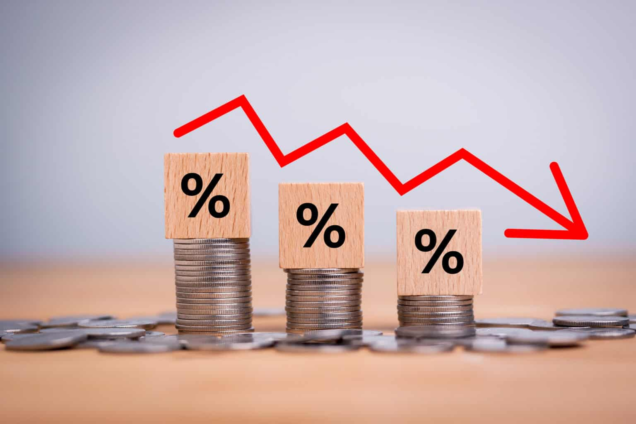
His remarks follow the latest data showing Ghana’s year-on-year inflation rate fell to 3.3 per cent in February 2026, marking the 14th consecutive monthly decline and the lowest level since the 2021 CPI rebasing.
Speaking on JoyNews’ The Pulse on Wednesday, 4 March, Dr Amoah emphasised that sustaining these gains requires careful planning, structural reforms, and robust support for the private sector.
He stressed that government spending must prioritise sectors that directly contribute to GDP growth and social welfare, warning against arbitrary expenditure cuts that have little impact on economic development.
“We need to invest in areas that deliver real economic and social outcomes. Cutting expenditure without understanding the impact could undermine our progress,” he said.
Dr Amoah also highlighted the need to address primary economic anomalies, particularly the high cost of domestic borrowing. He noted that heavy government borrowing from local markets at high rates crowds out private sector lending and slows economic activity.
“I recently checked key rates at the banks and realised the private sector is still paying higher interest than the policy reference rate. This technical gap, if unchecked, could push inflation up again,” he explained.
The lawmaker called for urgent support for Ghana’s SMEs, which form the backbone of the economy. Many small businesses lack access to capital, mechanisation, and tools, leaving them vulnerable to external shocks and import dependency. Strengthening SMEs, he said, is critical for building economic resilience and sustaining macroeconomic gains.
Dr Amoah also identified weak research funding as a structural gap.
“One area where all governments fall short is research. We have global institutions, yet we fund them poorly — around 0.25% of revenue, and even that target is rarely met. Investing in research is essential to make our economy resilient and self-sustaining,” he stressed.
Finally, Dr Amoah urged comprehensive reforms in fiscal management, tax administration, and institutional spending discipline.
“If we align our spending priorities, empower SMEs, strengthen domestic production, and invest in research, we can lock in the gains achieved in reducing inflation. Otherwise, we risk slipping back, especially given our heavy reliance on imports,” he noted.
Latest Stories
-
Kumawu MP rallies stakeholders as ‘Papa Nantwie Festival Returns’ after 19 years
7 minutes -
Serial killer jailed for life over 23 murders across 2 regions
39 minutes -
CLOGSAG questions basis for proposed CAGD independence
1 hour -
Ousted GCTU Vice-Chancellor heads to court over termination
1 hour -
Global forces, not Mahama, driving economy – Freddie Blay
1 hour -
21 remand inmates granted bail in Tamale under Justice for All Programme
1 hour -
Ghana Hotels Association marks 50 years of impact, urges mandatory professional association membership
1 hour -
Gulf shipping crisis deepens as tankers stranded for fifth day, US sinks Iranian warship
2 hours -
Health is Wealth: Experts make economic case for urgent healthcare investment at Roche Africa Press Day
2 hours -
Amelley Djosu writes: Are we honouring the dead or impressing the living?
2 hours -
Ayawaso East by-election: Low turnout, peaceful polls – Photos
2 hours -
Afenyo-Markin is doing well as Minority Leader , should not be removed for now – Freddie Blay
2 hours -
STLF disburses first-semester loans to over 27,000 students for 2025/26 academic year
2 hours -
NPP has right to act, but no plan exists to remove Minority Leader Afenyo-Markin – Freddie Blay
2 hours -
Ghana, St Kitts and Nevis sign visa exemption agreement for ordinary passport holders
2 hours