


Audio By Carbonatix
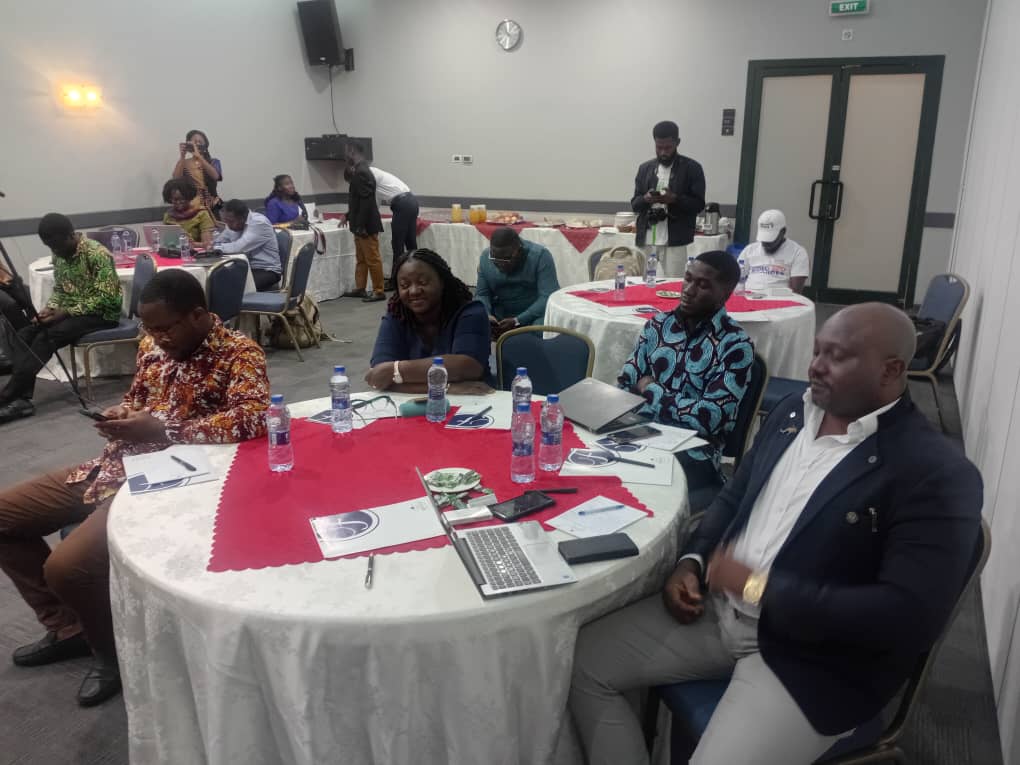
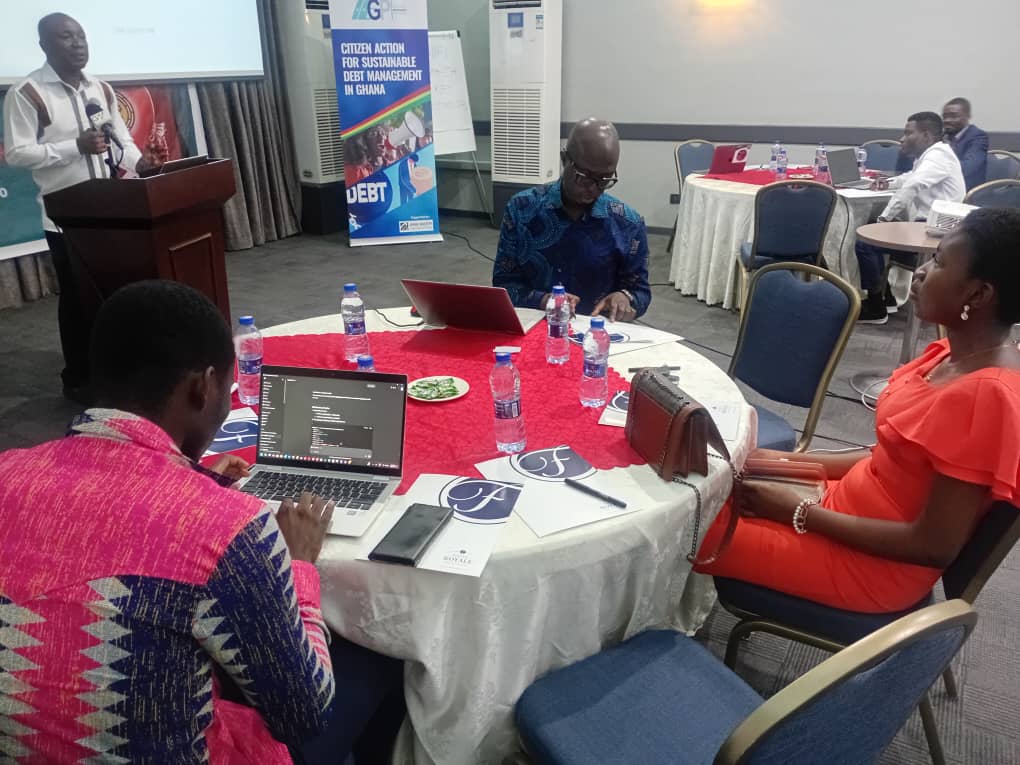
A new report released by Economic Governance Platform (EGP) has laid bare the underlying structural deficiencies of the country’s debt landscape, highlighting fiscal indiscipline, weak procurement systems, and a lack of transparency as central to the country’s deepening debt crisis.
The report, titled "Sustainable Debt Management in Ghana", reveals that Ghana’s fiscal policy remains markedly "procyclical, influenced by commodity and electoral cycles, with significant fiscal slippages around election period."
According to the findings, the nation routinely experiences substantial fiscal slippages around election periods, resulting in expenditure overruns driven by public sector wages, subsidies, and flagship social programmes.
This pattern, compounded by rigid budgetary structures such as statutory transfers, interest payments and employee compensation, including COVID-19 and foreign conflicts, has eroded Ghana’s fiscal buffers.
"This has left the economy with limited buffers to absorb external shocks like the COVID-19 pandemic and the Russia-Ukraine war. Expenditure overruns—driven by wages, subsidies, and social programs—along with structural budgetary rigidities (e.g., interest payments, DACF, and employee compensation) consume most of the government's revenue" the report indicated.
A critical concern raised in the report is the systemic weakness in Ghana’s procurement regime. Between 2012 and 2021, nearly 86% of high-value government contracts were awarded through sole-sourcing or restricted tendering, bypassing competitive procurement standards.
"These trends have reinforced the country's dependence on borrowing and deepened its
debt burden. Weaknesses in the procurement regime have further exacerbated the problem. Between 2012 and 2021, nearly 86% of high-value government contracts were awarded through sole-sourcing or restricted tendering, in violation of competitive procurement norms. This, combined with inflated pricing, poor contract management, and political interference, has led to financial waste, cost
overruns, and increasing debt."
On the issue of debt transparency, the findings are especially troubling. Prior to Ghana’s engagement with the IMF-supported programme, the government significantly underreported the country’s debt exposure.
While official figures pegged debt at 75.9% of GDP, a joint IMF-World Bank Debt Sustainability Analysis placed the present value debt-to-GDP ratio at a staggering 105%, categorising Ghana as being in debt distress.
Moreover, the country’s external debt service-to-revenue ratio stood at 34%—well above the internationally accepted 18% threshold. Notably, the government had excluded energy sector liabilities and the cost of the financial sector clean-up from its debt calculations, further distorting the fiscal outlook. Collateralised debt arrangements like ESLA and DAAKYE were flagged as diminishing fiscal flexibility and transparency.
The report also criticised the Bank of Ghana’s role in deficit financing, particularly through overdraft facilities, which contributed to inflation and were not fully disclosed until highlighted by the IMF.
On recommendation, EGP calls for a clearer separation of roles between debt operations and liquidity management, with strengthened oversight over the central bank’s discretionary powers.
The report also recommends the establishment of an independent Fiscal Council to provide non-partisan oversight on government borrowing, expenditure and deficit strategies.
The EGP argues that such a body is essential to safeguard fiscal discipline, enhance debt accountability, and ensure sustainable economic governance.
Latest Stories
-
GES opens 2026 teacher recruitment for licensed B.Ed graduates
39 seconds -
Ghana must value skilled trades, build resilient learners — Ibn Chambas
9 minutes -
Ghana must rethink education around relevance, resilience and responsibility — Ibn Chambas
12 minutes -
Prince Harry faces defamation lawsuit from charity he co-founded
14 minutes -
South Korea deploys thermal cameras to track escaped zoo wolf
15 minutes -
Calls for royal meeting with Epstein survivors grow ahead of US visit
19 minutes -
Ibn Chambas advocates blend of technology and human values in education
20 minutes -
UMA improves healthcare access in Asutifi North with GH₵700k ‘Kim Taylor Legacy’ Walkway
25 minutes -
Scholarships Authority and Fanaka University offer sponsorship for procurement and supply chain studies
28 minutes -
Bisa Kdei drops new single ‘Go N Look’ featuring Medikal
34 minutes -
Benin facing rising terrorism in north as French military presence faces growing criticism
36 minutes -
UEW Public Lecture Series 2026: Education debate ‘about the soul of Ghana’s future’ — Dr Ibn Chambas
36 minutes -
EU fingerprint and photo travel rules come into force from today
1 hour -
Anti-LGBTQ+ Bill: Ghanaians demand expedited passage, not dialogue – Ntim Fordjour to Mahama
1 hour -
EU airline industry warns of fuel shortages if Strait of Hormuz stays closed
1 hour