

Audio By Carbonatix
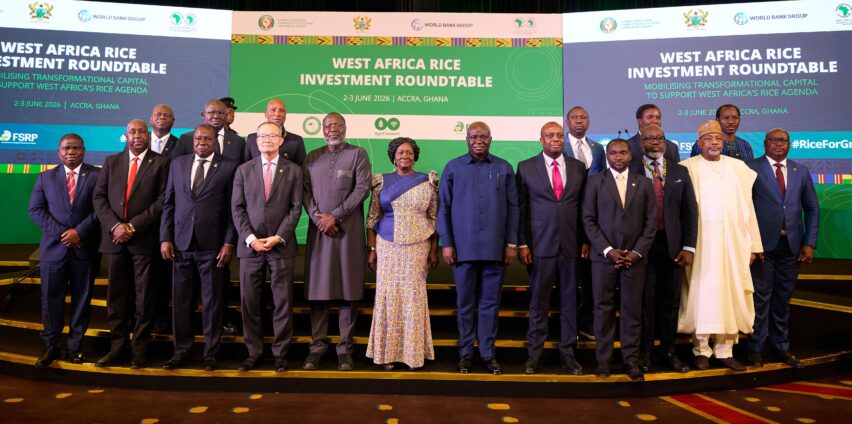
A two-day West Africa Rice Investment Roundtable in Accra ended with a renewed push to boost local rice production, as Ghana unveiled a new import quota policy and development partners signed a financing agreement aimed at accelerating investment in the sector.
The forum brought together governments, development institutions and private investors from across the region to address West Africa's growing dependence on imported rice and chart a path towards greater self-sufficiency.
One of the key outcomes was the signing of the AgriConnect Compact between the Government of Ghana, the International Finance Corporation (IFC), the World Bank and the International Fund for Agricultural Development (IFAD). The partnership is expected to expand access to financing and mobilise investment across agricultural value chains, particularly rice production and processing.
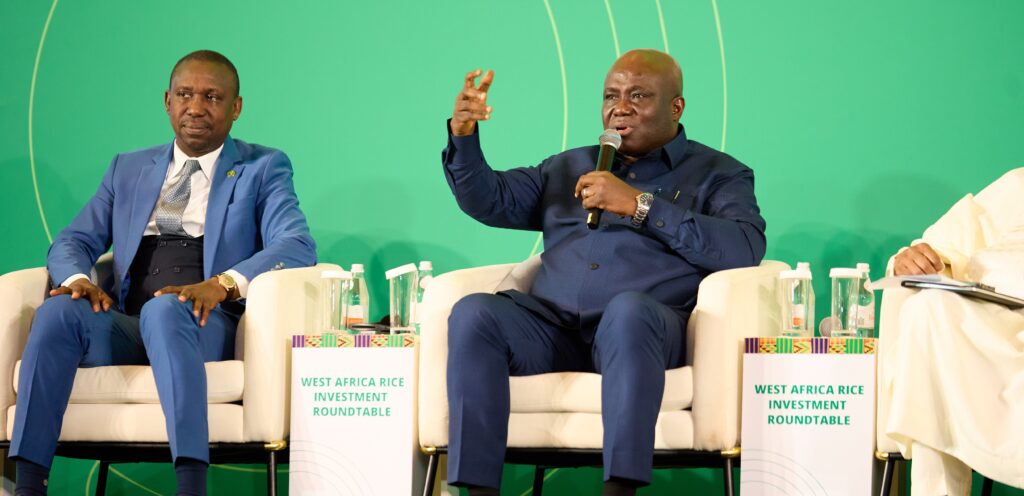
A major policy announcement came from Food and Agriculture Minister Eric Opoku, who disclosed that Ghana will introduce an import quota system linking rice import permits to investments in domestic production.
Under the policy, importers seeking permits will be required to show verifiable procurement agreements or partnership arrangements with local rice farmers and millers.
"Government will implement an import quota policy that directly links the privilege of importing rice to the growth of domestic production," Mr Opoku told participants.
He said the measure is intended to strengthen local production without increasing consumer prices or creating supply shortages.
"We are not raising tariffs that punish consumers. We are not imposing bans that create shortages. We are redirecting the existing value in the rice trade towards building our own productive capacity," he said.
The announcement comes as Ghana continues to rely heavily on imported rice. The country consumed about 1.71 million tonnes of rice last year, while domestic milled rice production reached approximately 960,000 tonnes, leaving a shortfall of nearly 751,000 tonnes. Filling that gap cost the country an estimated US$320 million in imports.
Although Ghana's rice self-sufficiency rate has risen to about 56 percent from roughly 45 percent at the beginning of the decade, government officials believe production can increase significantly. According to projections presented at the forum, achieving full self-sufficiency over the next decade could save Ghana about US$2.1 billion in foreign exchange, attract more than US$400 million in private investment and create over 200,000 jobs across the rice value chain.
Mr Opoku also announced plans to establish an inter-ministerial task force to combat the illegal importation of rice through unauthorised border routes. The task force will focus on strengthening border surveillance, enforcing regulations and curbing smuggling, which authorities say continues to undermine local producers.
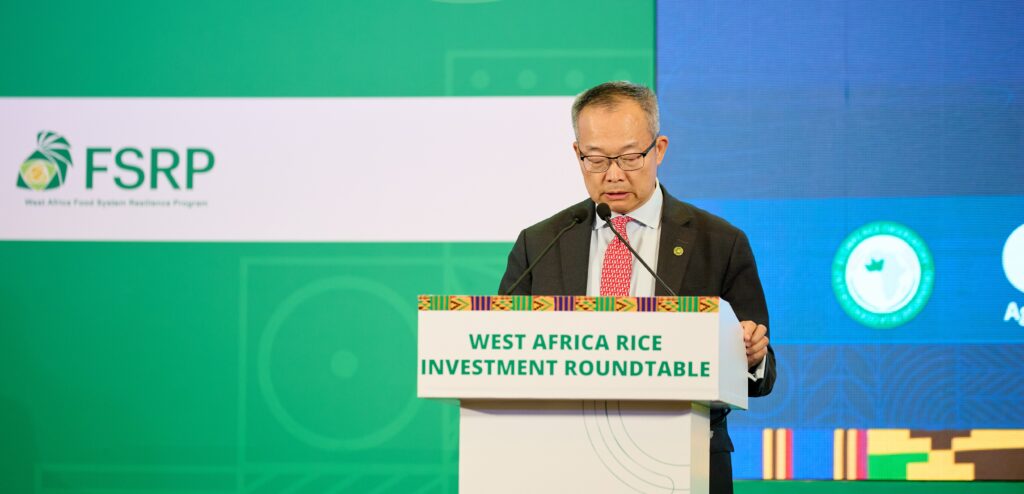
Speaking at the opening session, World Bank Vice President for Planet, Guangzhen Chen, described West Africa's dependence on imported rice as a major economic and food security risk.
He noted that the region imports about 40 percent of the rice it consumes at an annual cost of roughly US$5 billion, leaving countries exposed to global supply disruptions and price volatility.
While commending ECOWAS for developing a regional rice roadmap and investment plans, Mr Chen said the next challenge is mobilising the financing needed to implement them at scale.
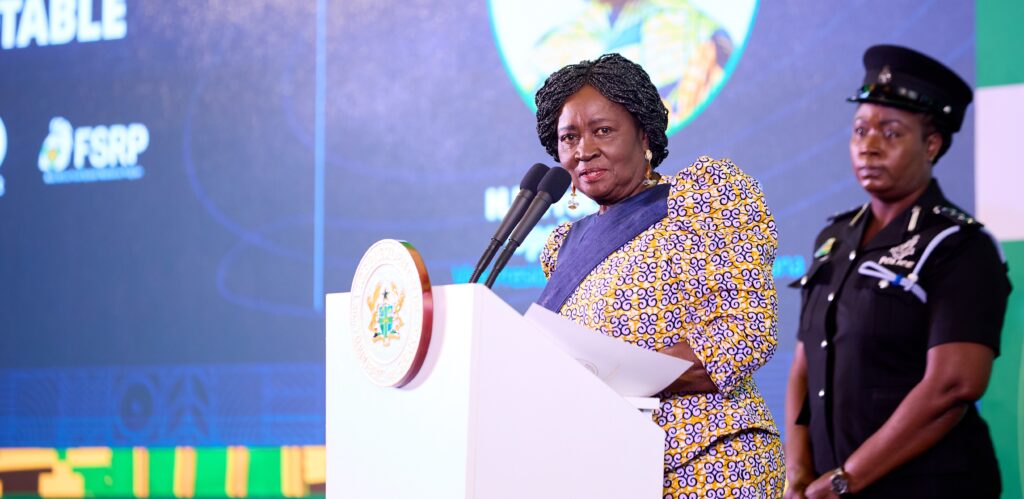
Vice President Naana Jane Opoku-Agyemang also called for a transition from subsistence farming to a commercially driven agricultural sector capable of feeding the region, creating jobs and supporting economic growth.
She said achieving that goal would require sustained investment in irrigation, mechanisation, technology adoption and efficient market systems.
At the regional level, ECOWAS Commission President Omar Alieu Touray reaffirmed the bloc's target of achieving rice self-sufficiency by 2035.
He said West Africa currently produces about 61 percent of the rice it consumes and warned that continued dependence on imports was unsustainable despite the region's vast agricultural potential.
"We cannot keep importing what we can grow ourselves," he told delegates.
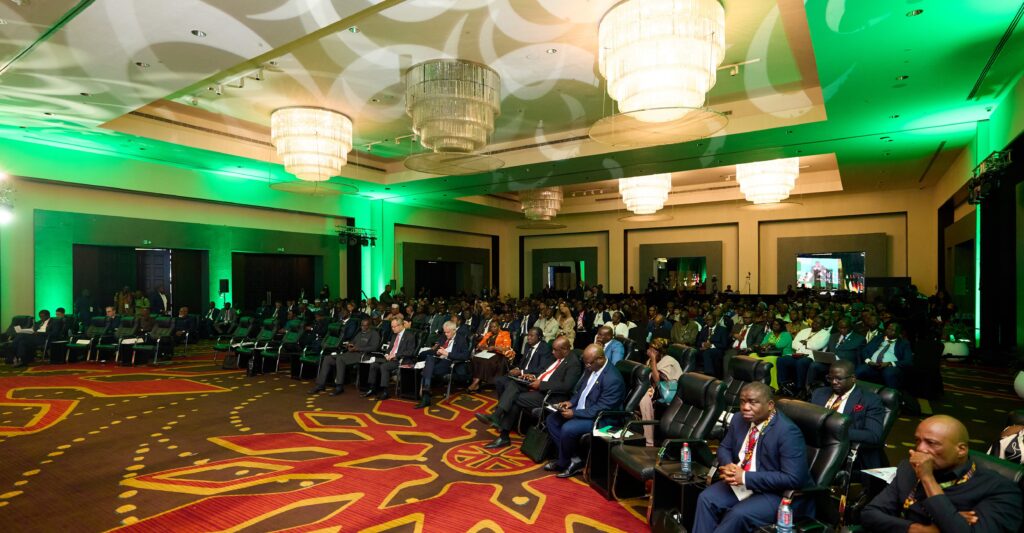
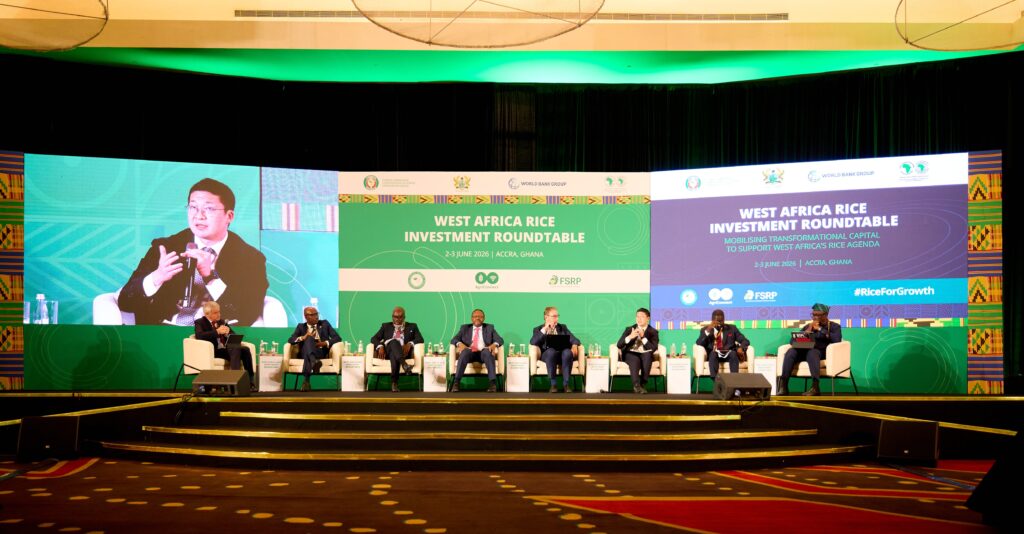
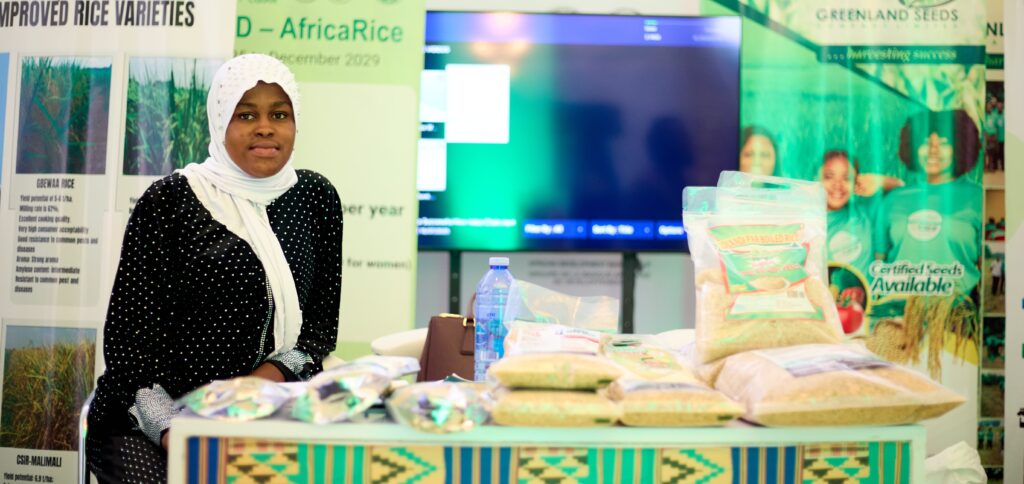
The AgriConnect Compact and Ghana's proposed import quota system emerged as the most significant outcomes of the Accra roundtable, as governments and development partners seek to translate regional rice strategies into investment, production and measurable results on the ground.
Latest Stories
-
South Tongu MP launches apprenticeship programme for 159 young people
11 minutes -
The Pusiga connection behind Gertrude Atongi’s work in New York
38 minutes -
Teachers took promotion exams in December to beat government clearance deadline – GNAT
40 minutes -
NPA launches 2026 staff welfare week with focus on teamwork and employee wellbeing
43 minutes -
Ghana, Saint Kitts and Nevis sign labour deal to strengthen protections for Ghanaian nurses
49 minutes -
Delayed promotions put teachers’ retirement benefits at risk – GNAT
52 minutes -
No ‘Bawumia candidates’ in NPP executive elections – Anthony Karbo
53 minutes -
Over 3,000 displaced as flooding overwhelms Hohoe communities
58 minutes -
Sunyani East NPP executives begin reconciliation drive ahead of 2028 polls
1 hour -
Agric Minister engages Ga Mantse on agriculture transformation agenda
1 hour -
Aayalolo expansion targets private car users, not trotro operators – Mahama Ayariga
1 hour -
KNUST, GMTF explore AI partnership to transform healthcare delivery
1 hour -
MTTD records 9,000 preventable crashes, over 900 deaths in eight months
1 hour -
UN Secretary-General expresses optimism about future, pledges support for Mahama, AU
1 hour -
Ghana’s desalination lesson: A water project must work on paper and at the tap
2 hours