

Audio By Carbonatix
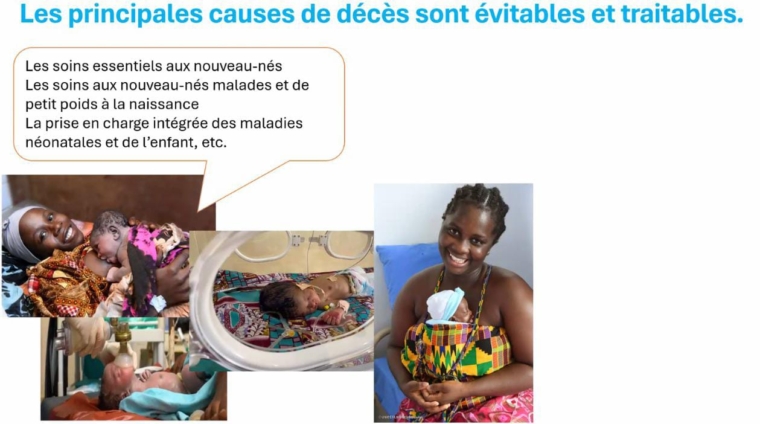
Vice President of the African Neonatal Association, Prof Faye Moctar, has urged governments and health stakeholders across West and Central Africa to invest in critical neonatal care to reduce preventable newborn deaths.
Speaking during a high-level webinar organised by REMAPSEN in partnership with UNICEF, Prof Moctar said scaling up evidence-based strategies, especially Kangaroo Mother Care (KMC) and Level 3 newborn care, could cut neonatal mortality by as much as 40%.
Themed “Maternal, Neonatal and Child Health in West and Central Africa”, the panel discussion brought together neonatal health experts to review progress and renew focus on interventions that are proven to save lives.
Prof Moctar championed Kangaroo Mother Care (KMC), a method where newborns are held skin-to-skin on a parent’s chest, as one of the most impactful yet underutilised strategies for neonatal survival.
“KMC should begin immediately after birth, even if the baby is sick,” he stressed. “It is the right strategy, and it is one we must not miss out on.”
Beyond being a low-cost intervention, KMC has been found to reduce infections, improve breastfeeding, and enhance emotional bonding.
Yet, its uptake remains limited in many parts of Africa due to systemic gaps in training and infrastructure.
The panel also discussed the challenges of Level 3 newborn care, designed for critically ill or extremely premature babies.
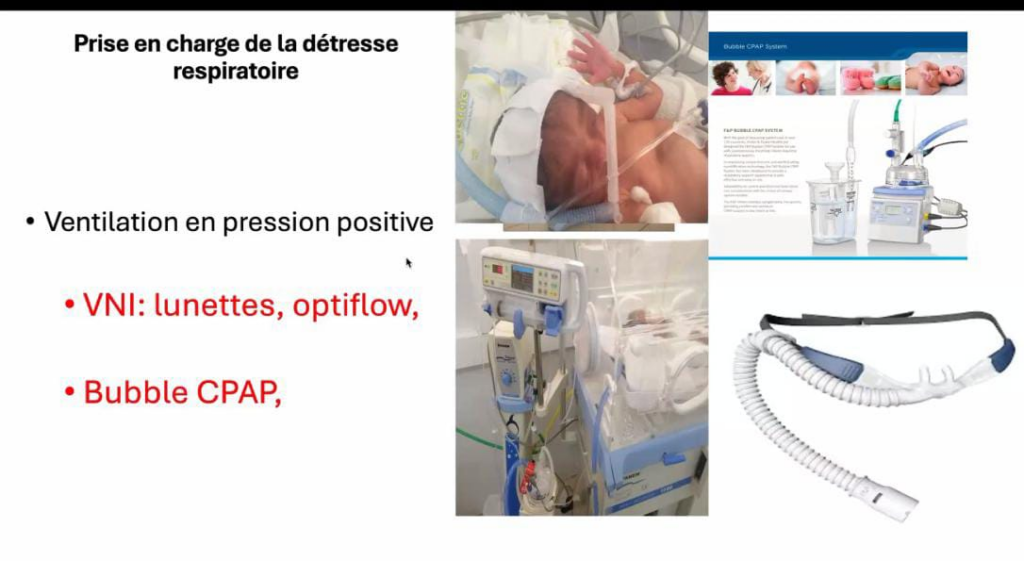
Prof Moctar revealed: “Half of all pre-term babies in the region die from respiratory complications.”
To address this, he advocated for better-resourced neonatal intensive care units (NICUs) with modern equipment such as ventilators and CPAP machines.
But he added, “We need skilled personnel, adequate financing, and above all, a leadership that cares deeply about the lives of newborns.”
He also highlighted the importance of involving families in neonatal care.
“Parents should never be prevented from being by the side of their child in the neonatal unit,” he noted. “Their presence is not only emotionally healing but also clinically beneficial.”
He called for structured counselling at discharge, consistent follow-up, and strong support systems for families providing care at home.
According to the panel, improving neonatal outcomes requires increased financing, investment in essential equipment and consumables, training and upskilling of healthcare professionals, political will, and active family involvement in care.
Prof Moctar emphasised the need to align national strategies with the Every Newborn Action Plan (ENAP).
Latest Stories
-
Rapper Rick Ross arrested on domestic violence charges
41 seconds -
Minority demands security review of Ghana-Colombia visa waiver and port deals
11 minutes -
Pursue drug kingpins, not persecute political opponents – Afenyo-Markin tells EOCO
23 minutes -
‘I am disappointed’ – Yaw Ampofo Ankrah breaks silence after NSA suspension
29 minutes -
UK in talks with EU partners to release strategic fuel reserves if needed, BBC understands
32 minutes -
Douglas Boateng receives IMM Institute Supply Chain Lifetime Achievement Award
43 minutes -
Pentecost University to host international sustainability conference
1 hour -
Ampofo Ankrah did not collect World Cup visa money – Lawyer
1 hour -
Baffour Awuah to spend night in EOCO custody – Atta Akyea
1 hour -
Torgbiga Wenya III opposes proposed elevation of 36 Anlo chiefs to Paramount status
2 hours -
The strengthening El Niño and what it could mean for Ghana
2 hours -
Baffour Awuah formally charged with money laundering, loss of public funds – Lawyer
2 hours -
Drone flight over EOCO building could attract 30-year jail term – Security consultant
2 hours -
Flying drone over EOCO premises is strictly prohibited – Security consultant
2 hours -
SIC file was surrendered to client, EOCO has no reason to search Manhyia South MP’s firm – Atta Akyea
2 hours