

Audio By Carbonatix
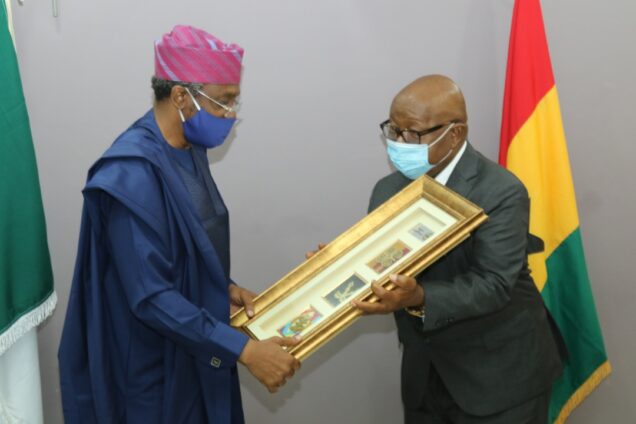
The Speakers of the Ghana Parliament and the Nigeria House of Representatives, have had talks to find solutions to the challenges brought about as a result of Ghana’s implementation of the Ghana Investment Promotion Centre (GIPC) Act 2013, Act 865.
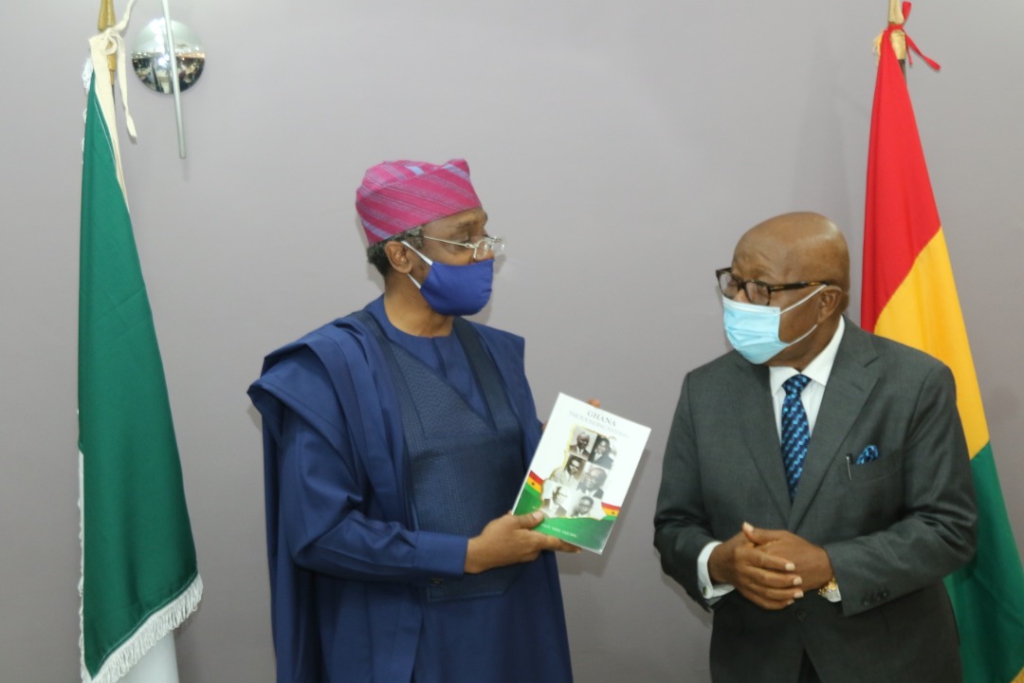
Discussions between Prof. Aaron Michael Oquaye and Olufemi Gbajabiamila so far have been on how the implementation of Act 865 can be implemented in an amicable manner.
They want it done in a manner that will not render Nigerian traders in Ghana jobless since most of them have had their shops closed and some fines levied at them in accordance with the provisions of Act 865.
Ghana’s sovereignty and national interest in the matter has been at the front burner in all the discussions held so far.
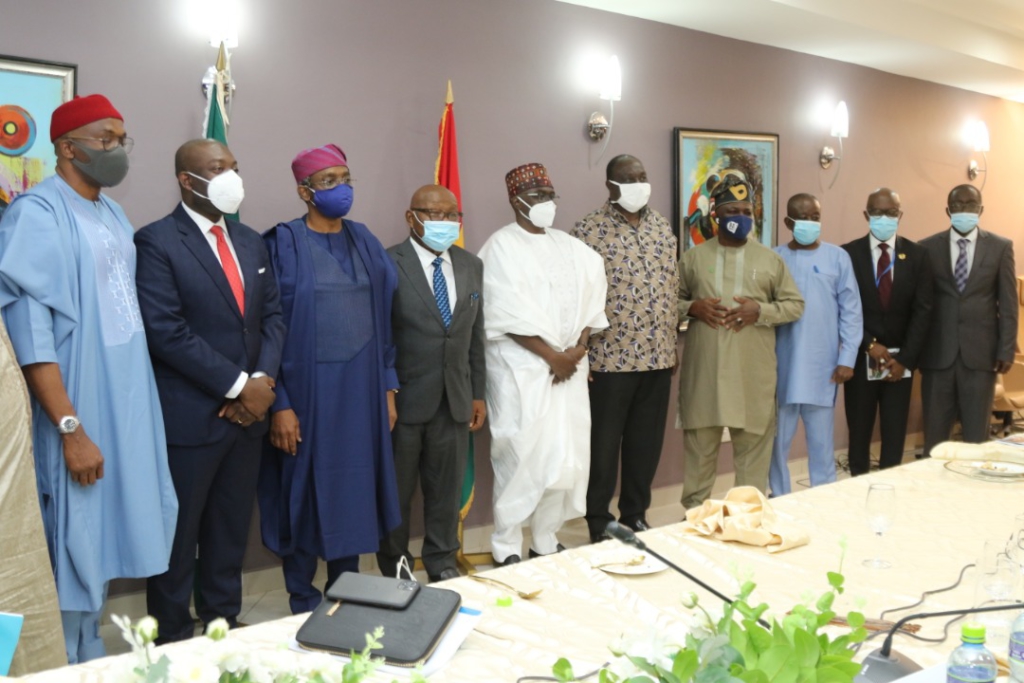
Participants in the discussions have included the 12-member delegation from Nigeria, Ghana’s Trade Minister, the Minister for National Security, the Deputy Minister for Foreign Affairs, the Chief Executive Officer of the GIPC, the Chairman and Deputy Ranking Member of the Parliamentary Committee on Foreign Affairs, the Clerk to Parliament, and some key Parliamentary staff.
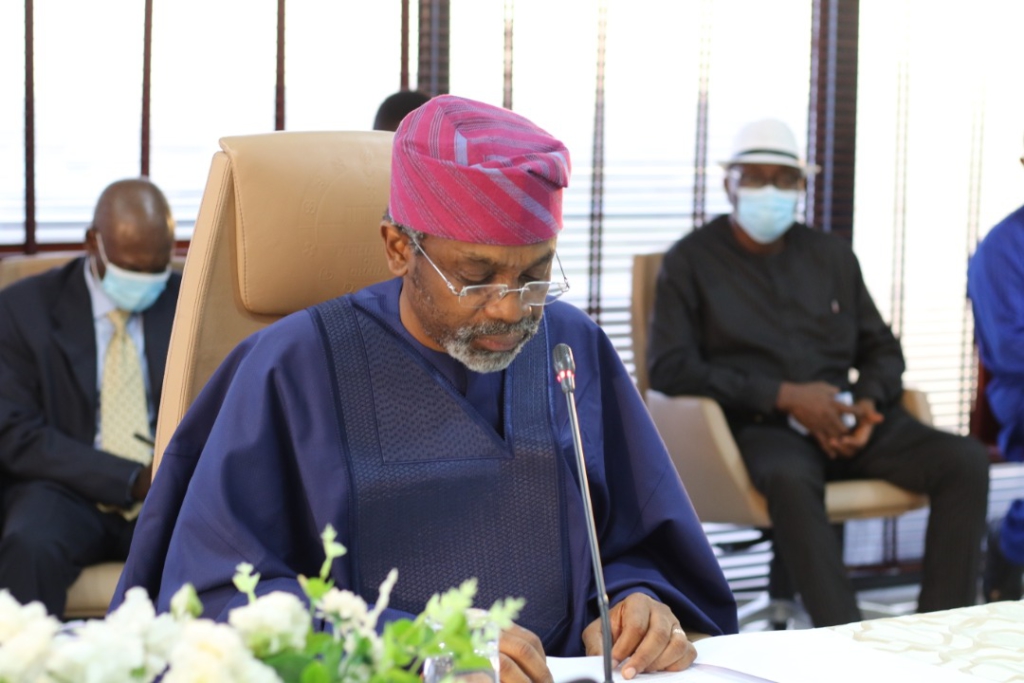
Speaker Olufemi Gbajabiamila, in a round table discussion in Parliament on Wednesday, referred to the economic, social and political ties that bind Ghana and Nigeria together.
He urged that the two countries to use legislative diplomacy to resolve the issues confronting them.
This he said, is most appropriate, since he and the Prof Oquaye, had on previous occasions, worked together, using the same tools to resolve economic issues not only between the two countries but in the sub-region.
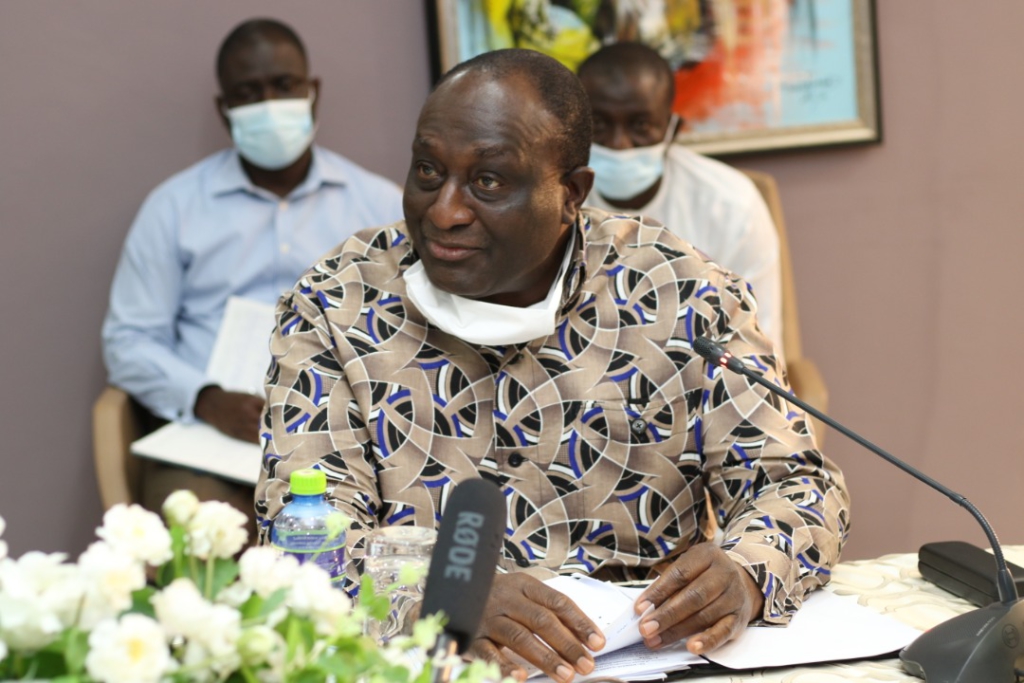
Ghana’s Trade Minister, Alan Kyeremanteng explained the context of the GIPC Act and its implementation and said that it was not targeted at any particular nationals and definitely not Nigerians.
He outlined ways by which the two countries can have mutual trade relations with the requisite benefits.
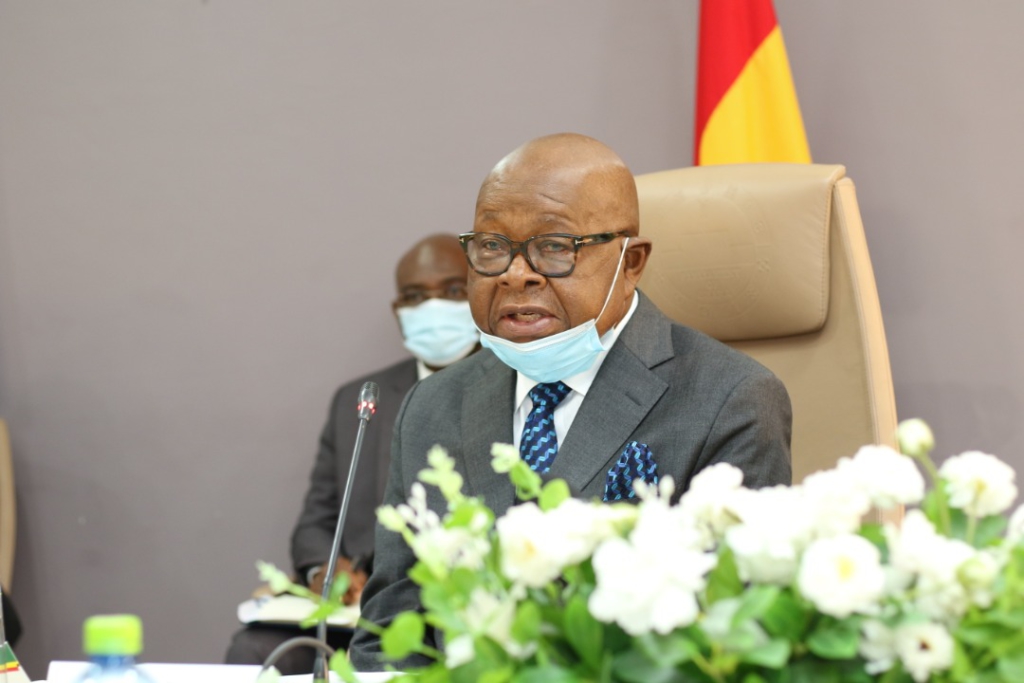
Speaker Oquaye while assuring Nigeria of Ghana’s good intentions also pointed out that reports on the matter may have escalated tensions.
He cautioned that private or commercial arrangements between individuals and organisations of the two countries should not be confused with governments’ engagements.
He also encouraged the use of diplomacy in the resolutions. Both countries are keen on finding a lasting solution to the matter.
Latest Stories
-
Prof. Kwofie urges publishers to use indigenous knowledge systems to decolonise AI
5 hours -
NDC’s two years of economic gains not enough to establish stability – Alan Kyerematen
5 hours -
AFCON 2027Q: Nine new call-up for Cote, The Gambia matches
5 hours -
Ghana’s MSMEs: Burdened by regulation and overtaxed; why the system isn’t working
6 hours -
Patience Akyianu, former Barclays Bank Ghana MD and Hollard Group CEO, reported dead
6 hours -
Mahama pushes ‘health sovereignty’ agenda, says Global South needs control over resources
6 hours -
Mahama: We are reforming systems, fighting corruption and improving use of public funds
6 hours -
Catholic Bishops welcome task force to tackle drug menace, acknowledge inter-agency efforts
6 hours -
Ghana Catholic Bishops demand urgent action against drug trafficking
6 hours -
Tamale: 5 arrested over suspected drug activities; police seize pistols, narcotics
6 hours -
We have lost a great developer – Mankranso residents pay tribute to late DCE
6 hours -
Ghana Law Society sets September 30 for maiden Bar Conference on legal reforms
7 hours -
GPL Week 3: Port City’s Gyetuah bags a brace as 9 outstanding players named NASCO Players of the Match
7 hours -
Visibility without substance is just noise; I don’t seek popularity—Dr Oppong-Fosu
7 hours -
The late Abubakar Sedik was an exceptional DCE – Ashanti Regional Minister
7 hours