

Audio By Carbonatix
The African Ministers Council On Water (AMCOW) says Ghana’s decision to rope in legislators in discussion for the formation of sanitation management guidelines is a step in the right direction.
AMCOW gathers African ministers in the sanitation sector to deliberate on best practices which can improve the deplorable menace hampering development on the continent. Several measures have been deployed over the years to improve the situation, but not much has been achieved in that regard.
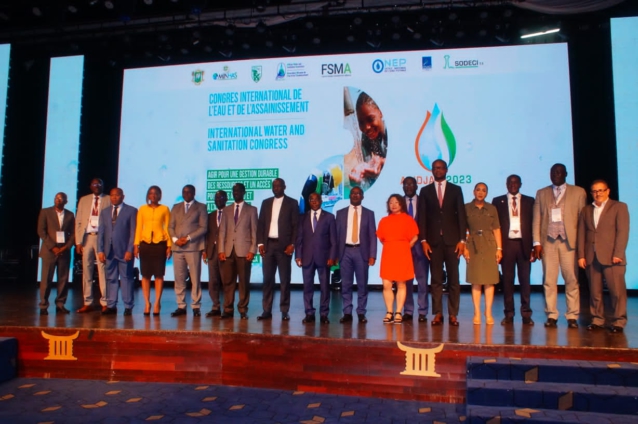
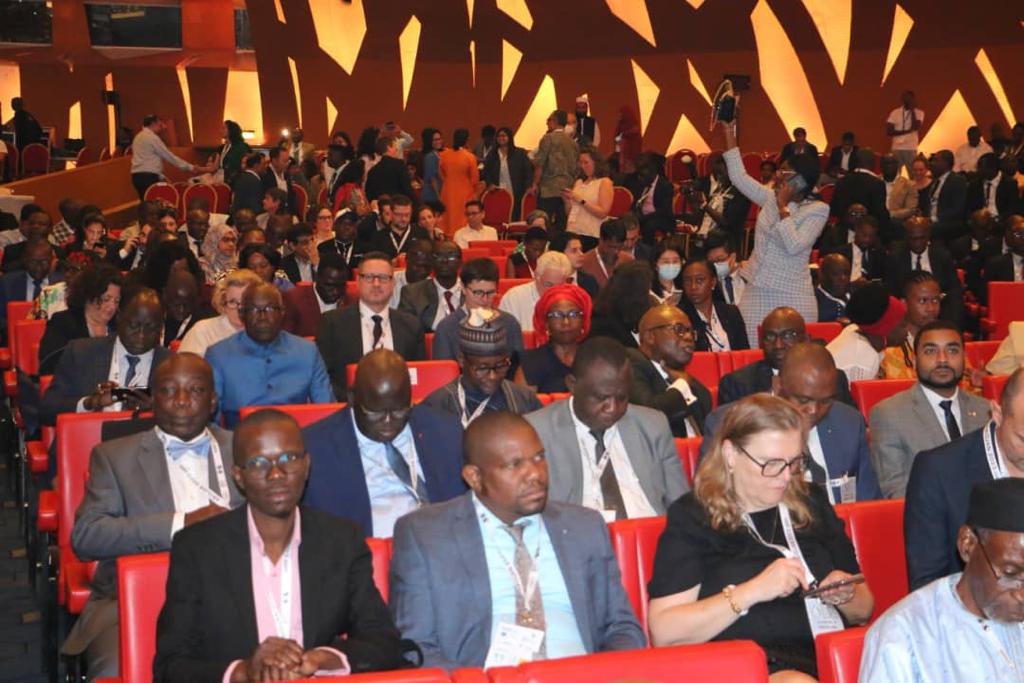
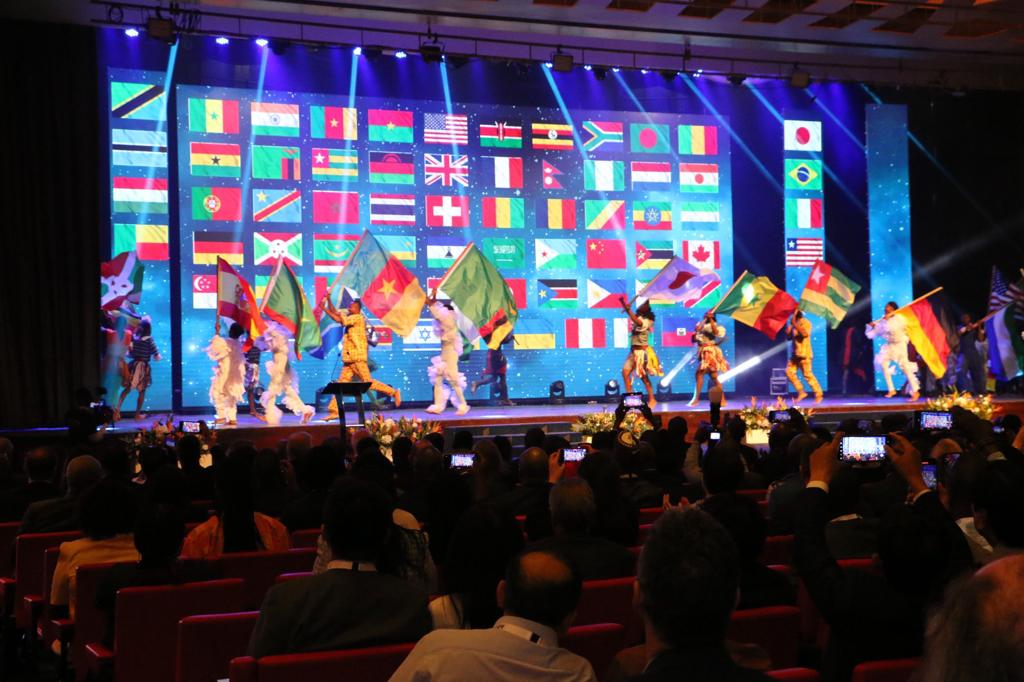
At the 2023 Abidjan conference on water and sanitation, the ministers resolved to see more pragmatic steps during a review session.
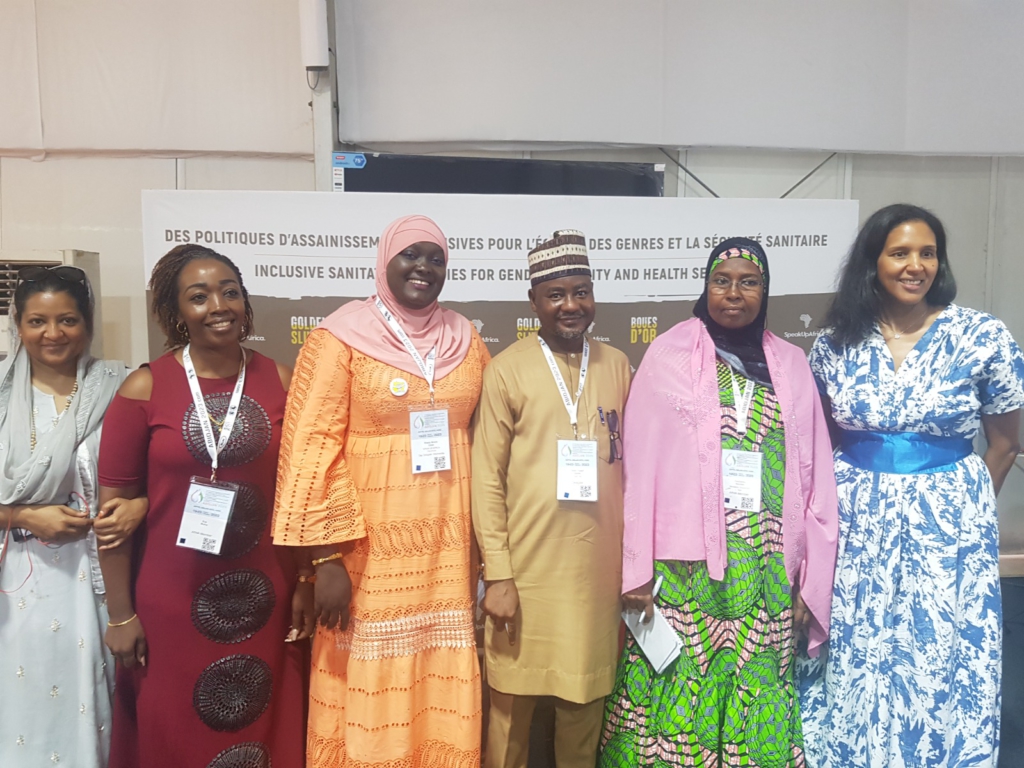
According to the vice chair of the NGO, Sanitation and Water for All (SWA), Sareen Malik, the continent has made a lot of strides in getting these policies together. ‘Trying to get 55 countries to agree on one set of guidelines isn't easy, and you agree that policy making is a resource intensive exercise, that’s why you may witness some delays in implementation plans’ she underscored.
Madam Sareen promised that civil society will begin to rigorously monitor and ensure that commitments reached are fulfilled, stating, ‘we want to see cities cleaner, open defecation stopped, proper disposal of waste, availability of sanitary facilities in homes. Schools and institutions and better environment for all.’
This of course will not be easy as some countries do not have sanitation as a priority list to tick out on their yearly budget. In cases where sanitation features, the monetary allocation either delays or are never received by institutions mandated to ensure proper sanitation.
Her solution is to call for better and organized structures in member countries so they can seek support from other countries which have succeeded in their implantation plans- a task she and her group in other civil society groups, are ready to collaborate on.
The African Sanitation Guidelines
The African sanitation guidelines, which is a set of management tools designed by stakeholders to streamline policies and strategies geared at improving sanitation in countries of members will be the tenet upon which these guidelines would be implemented. It is the expectation that when the leaders meet in Guinea next year (2024) for the water and sanitation conference, reports on improved sanitation would be read at the sessions rather than more talk on how to resolve the situation. That’s why the need for the input of legislators is needed.
The African Ministers Council on Water
Highlighting the work of AMCOW, executive of the association, Tanko Yussif Azzika told JoyNews, ‘this continental platform provides guidance on how member states can use the inclusive policies and strategies as measures to draw up plans on how to improve sanitation to suit their countries.’ He mentioned how the association help member countries to ‘secure funding, how to build capacity and how to regulate the policies on sanitation.
We also assist them to monitor, evaluate and learn from other countries, ‘we thrive on partner coordination and engagement to help Africa, he said.’
That’s where the example of Ghana came into the conversation. In sharing the West African country’s example, Mr. Azzika excitedly noted ‘We were in Ghana where they were trying to use the policy to review their environmental sanitation policies. We were there to sensitize them on how to use the policy - the African Sanitation Guideline.’
He continued, ‘we realized during deliberations that as they were initiating the process of reviewing the policy, they started with their members of parliament. Now that is very important to underscore, because when these strategies and polices are eventually developed, it is the MP’s who will gazette some of the laws so they being there at this initial stage means that we already have their buy-in.’
Mr Azzika urged other member countries to emulate the Ghana example noting, ‘ if the legislators in other countries, like those in Ghana are briefed or involved in the planning process, it’s easier to get them to approve laws on sanitation because now they know the benefit to be derived due to the knowledge gained during the deliberation process.’
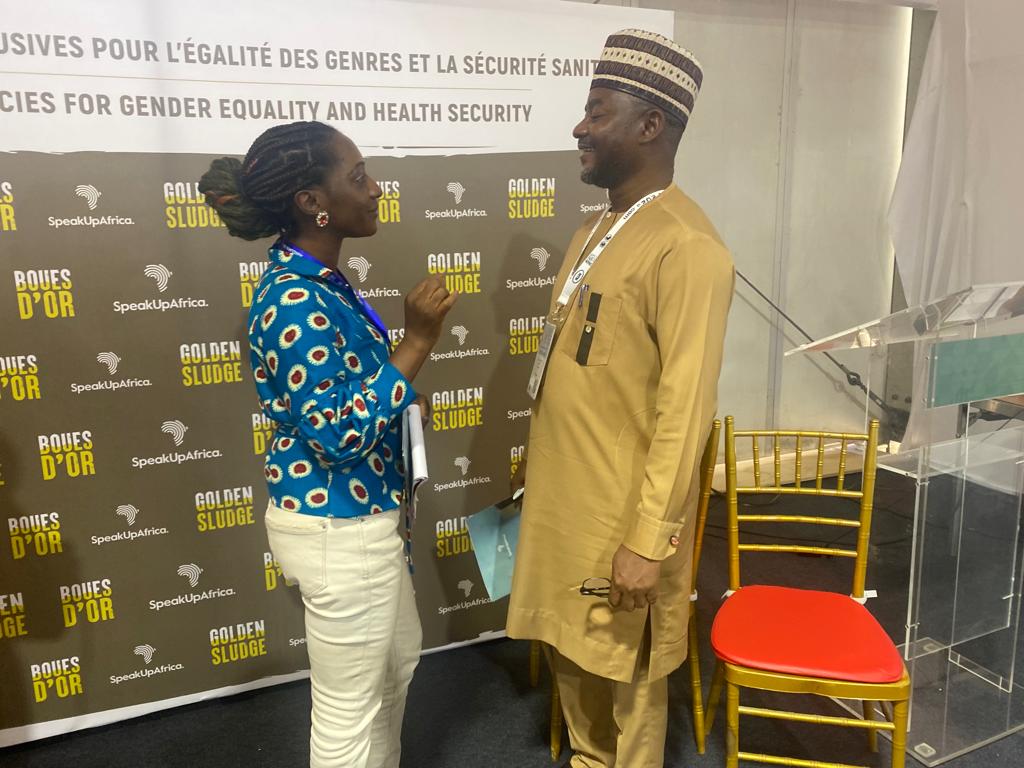
He believes this multisectoral coordination makes the legislation easy and faster edging it on the satisfaction expressed by the legislators who promised not to frustrate the process when the final draft on sanitation guidelines comes to them on the floor of parliament.
Latest Stories
-
Adwoa Safo backs Israel Safo, urges Kantanka family unity
3 minutes -
Russian strike on buses kills 33, say officials, as deadly attacks on Ukraine surge
8 minutes -
Group of 20 graduates rescued after being abducted in Nigeria
21 minutes -
LA 2028: Black Queens set for first steps of Olympic Games against Mauritius
28 minutes -
Christa Pike now walking after failed US execution, lawyer tells BBC
34 minutes -
US and Lebanon protecting wanted Syrian general, BBC finds
39 minutes -
MTTD records 2,151 road deaths in 10,157 crashes between January and September
41 minutes -
Most UK diplomats to leave East Jerusalem consulate, Israel says, as Miliband says ‘vital services’ to rema
43 minutes -
Youth Ministry engages Parliament on programmes to expand opportunities for young people
46 minutes -
Ghana needs 150,000 more tonnes of palm oil annually to meet demand – OPDAG
47 minutes -
Bokpin cautions Ghana against abandoning existing partnerships over BRICS membership
49 minutes -
Premier League clubs fear political interference in Man City appeal
49 minutes -
VSA and VIA crown 18th anniversary with full scholarships for three brilliant students
54 minutes -
Road crashes in Ghana fall 9.48% in September 2026, fatalities drop 7.82% – MTTD
1 hour -
Youth Ministry, Parliament must deepen collaboration to expand opportunities – Opare Addo
1 hour