

Audio By Carbonatix
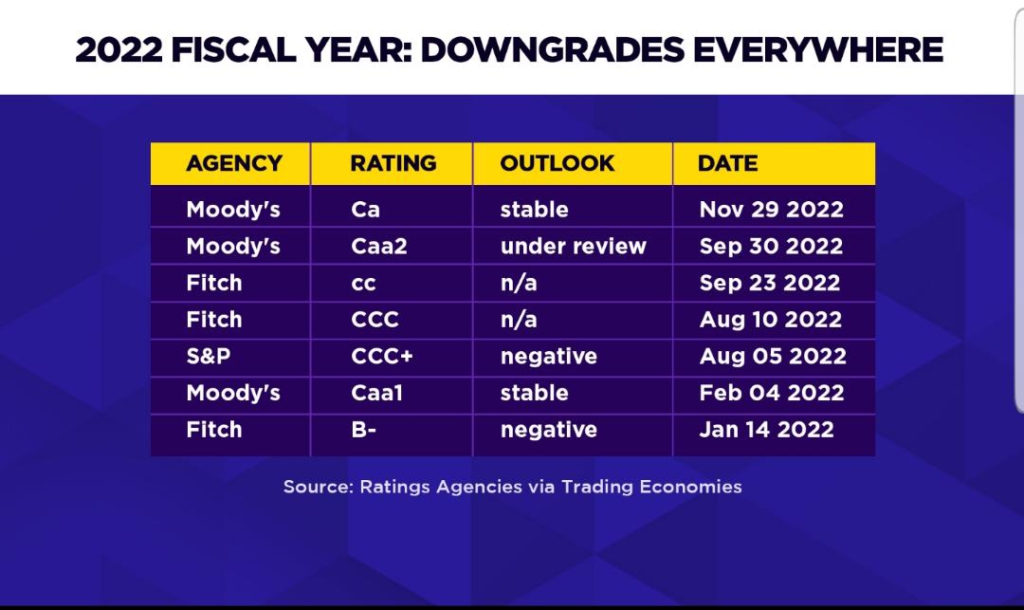
The current Moody’s downgrade of Ghana’s long-term sovereign bonds to further junk territories brings the total number of downgrades and revisions to 7 in less than 11 months this year.
Barely 48 hours ago, Moody’s dropped its ratings on Ghana’s long-term sovereign bonds from ‘Caa2’ to ‘Ca’, and changed the outlook to stable.
This concluded the review for downgrade that was initiated at the time of the 30 September 2022 rating action.
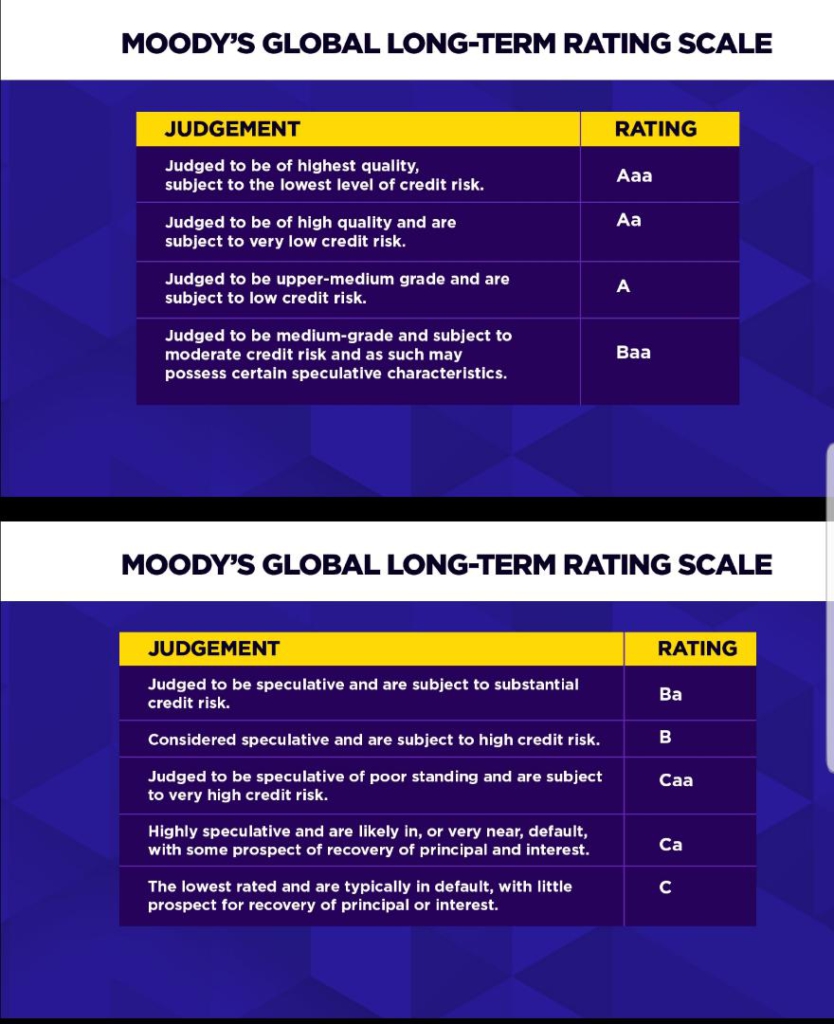
According to the ratings agency, “the ‘Ca’ rating reflects Moody's expectation that private creditors will likely incur substantial losses in the restructuring of both local and foreign currencies debts planned by the government as part of its 2023 budget proposed to Parliament on 24 November 2022.”
“Given Ghana's high government debt burden and the debt structure, it is likely there will be substantial losses on both categories of debt in order for the government to meaningfully improve debt sustainability”. Moody’s stressed.
7 downgrades from 3 credit ratings agencies in 2022
At the beginning of the year, Fitch was the first to drop Ghana’s sovereign bonds rating from ‘B’ (negative outlook) to ‘B-’ (negative). In less than 3 weeks, Moody’s also followed with their first downgrade.
S&P was next to follow through in August. Ghana has since then experienced different downgrades and reviews.
IMF confirms debt restructuring
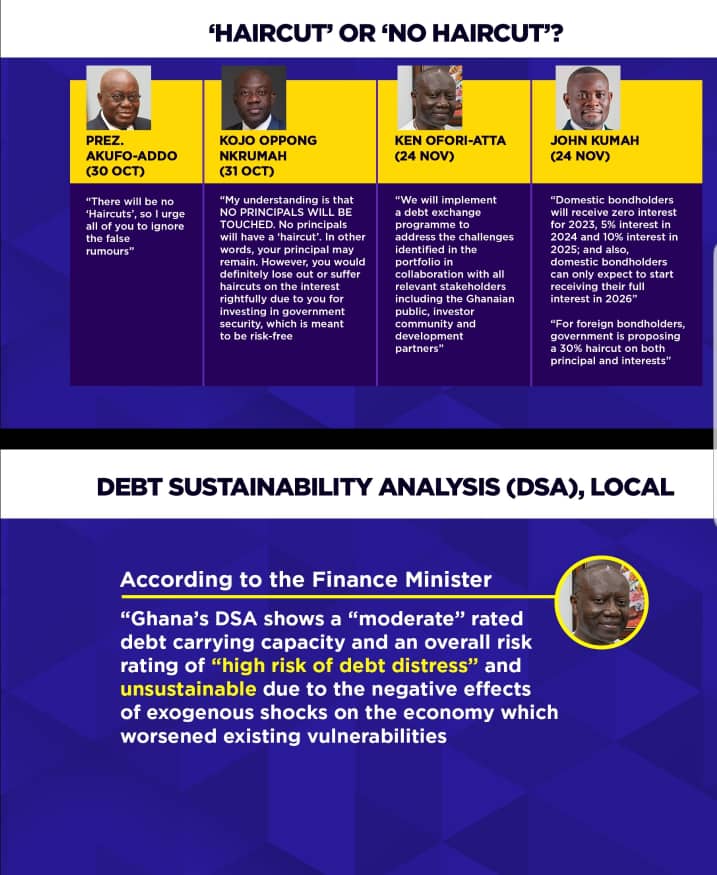
The Internal Monetary Fund (IMF) has confirmed that government of Ghana has declared its intention to conduct a debt operation ( also called debt restructuring) in 2023.
According to an update on the fund’s website, “authorities [Ghana] have assessed their public debt as being unsustainable over the medium term. Together with efforts to bring the government deficit down, they have announced their intention to conduct a debt operation to ensure debt sustainability.”
The Bretton Woods Institution has welcomed government’s decision to tread the path of debt operation.
“We welcome the authorities’ intentions to implement policies that will ensure the sustainability of public finances” the Fund stressed.
The IMF however, indicated that the “nature of engagements and debt operations between Ghana and its creditors are sovereign decisions.”
Latest Stories
-
Monetise Idiocy In Ghana
31 seconds -
The Ghanaian prophet and the mysterious death of his scottish wife Charmain Speirs
46 minutes -
Nearly 400 sentenced in Nigeria for links to militant Islamists
1 hour -
Ghana’s recovery supported by gold strength despite global oil price pressures – Standard Bank Research
1 hour -
‘Excellence is our inheritance’ – Nana Sam Brew-Butler hails Mfantsipim’s 150-year reign in leadership
2 hours -
Kwaku Azar writes: A-G vs OSP
2 hours -
Mfantsipim–Adisadel rivalry built excellence, not division – Sam Jonah
2 hours -
Vice President launches Mfantsipim’s 150 years of shaping Ghana’s greatest mind
2 hours -
I assure Otumfuo, Mahama will join him to commission KNUST Teaching Hospital by end of this year – Haruna Iddrisu
3 hours -
Barcelona dominate derby to extend La Liga lead
3 hours -
Gov’t to roll out free special education for persons with disabilities from July 1 – Education Minister
4 hours -
Importers and Exporters Association declares full support for Publican AI port system
4 hours -
“We used it to test our officiating officials’ readiness” – Bawah Fuseini after CAA Athletics event
4 hours -
Volleyball emerges as Ghana’s fastest rising sport
4 hours -
National Sports Fund needs strong leadership from the top – Administrator David Wuaku
4 hours