

Audio By Carbonatix
The Bank of Ghana (BoG) has confirmed that government support is expected as part of efforts to recapitalise the Central Bank, following the severe balance sheet pressures it endured during the Domestic Debt Exchange Programme (DDEP).
Previously, the Minister for Finance, Dr Cassiel Ato Forson, had ruled out the use of taxpayer funds for the recapitalisation of the BoG, referencing a ¢53 billion recapitalisation Memorandum of Understanding signed under the former Ernest Addison-led administration.
He maintained that any capital restoration should be achieved through internal reforms and restructuring rather than direct budgetary injections.
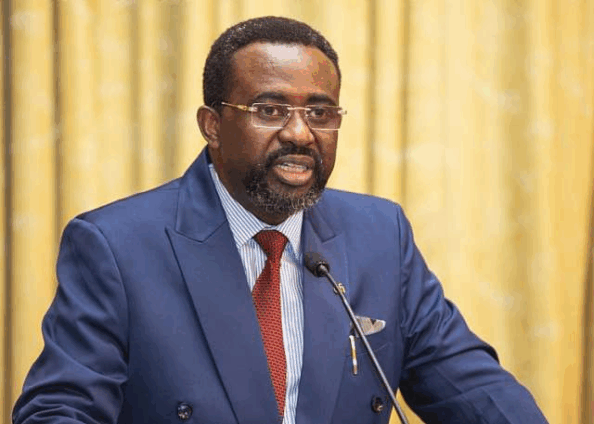
However, speaking at the 128th Monetary Policy Committee (MPC) press briefing on Wednesday, January 28, 2026, Governor of the Bank of Ghana, Dr Johnson Asiama, said discussions with government on restoring the Bank’s financial health have been positive, stressing that recapitalisation remains critical to the Bank’s credibility and independence.
“I believe in the commitment of government to recapitalise the Central Bank following the hit it took to protect the economy amid the domestic debt restructuring programme. So far, discussions with government have been fruitful, and there is support to help repair the Bank’s balance sheet”, Dr Asiama said.
He explained that rebuilding the BoG’s capital base is essential for the effective execution of its core mandate, including price stability, financial sector regulation and overall macroeconomic management.
“It is only fair that the wounds suffered as a result are addressed,” the Governor noted, adding that the recapitalisation effort would protect the Central Bank’s operational independence and reinforce confidence in monetary policy.
Beyond the Central Bank, Dr Asiama also provided an update on the recapitalisation of the commercial banking sector, pointing to notable improvements in resilience across the industry.
He disclosed that as of the end of December 2025, 21 out of the 23 licensed banks had met the required capital adequacy thresholds, with the remaining two institutions granted until the end of March 2026 to comply.
“We have two more banks that are yet to meet the requirement, but they have been given until the end of March 2026,” he said.
“Overall, we have made significant progress on the recapitalisation strategy, and we are monitoring closely to ensure full compliance.”
Latest Stories
-
At least 30 feared dead in crush at Haitian tourist site
1 hour -
Four arrested over murder of Scottish businessman in Kenya
1 hour -
New Mainoo deal closer, says Man Utd boss Carrick
1 hour -
Sinner beats Alcaraz to return to world top spot
2 hours -
An inappropriate joke nearly ended his career. Now he’s back with more humour
2 hours -
GPL 2025/26: Dreams FC stage stunning comeback to hammer Eleven Wonders
3 hours -
Livestream: The Probe examines Kumasi’s looming water crisis
3 hours -
MTN Ghana gears up to lead Africa’s AI revolution
3 hours -
Philanthropist Alhaji FuZak donates Da’wah bus to Ambariya Sunni community
3 hours -
GUTA calls for suspension of Publican AI system over trade disruptions
3 hours -
TTAG raises alarm over proposed recruitment of 7,000 teachers, demands national posting roadmap
4 hours -
Civilians feared killed after reports of air strike on Nigerian market
4 hours -
Bishop Simon Kofi Appiah installed as new Jasikan Diocese Bishop
4 hours -
Trump’s Strait of Hormuz blockade threat raises risks and leaves predicaments unchanged
4 hours -
US Court backs extradition of former MASLOC CEO Sedina Tamakloe-Attionu to Ghana
4 hours