

Audio By Carbonatix
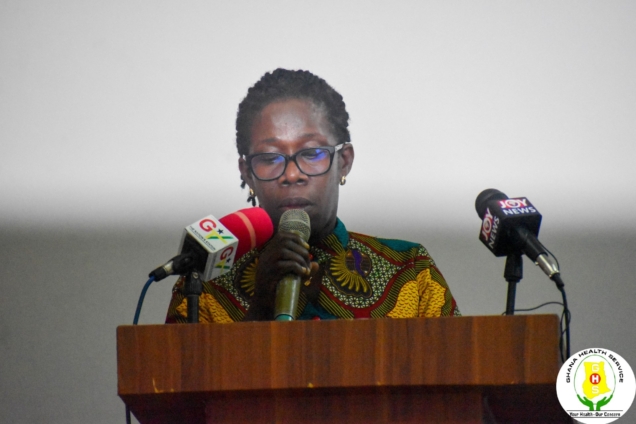
The Health Officer with the UNICEF, Accra Office, Josephine Agborson, says malnutrition and anemia, especially among children under-five remained a concern to the United Nations body.
She said challenges, such as stunting and wasting rates must be addressed and proven interventions promoting optimal infant and young child feeding practiced.
The health Officer said UNICEF remained a steadfast partner in a journey towards improved maternal, newborn, and adolescent health and nutrition (MNCAH & N) outcomes.
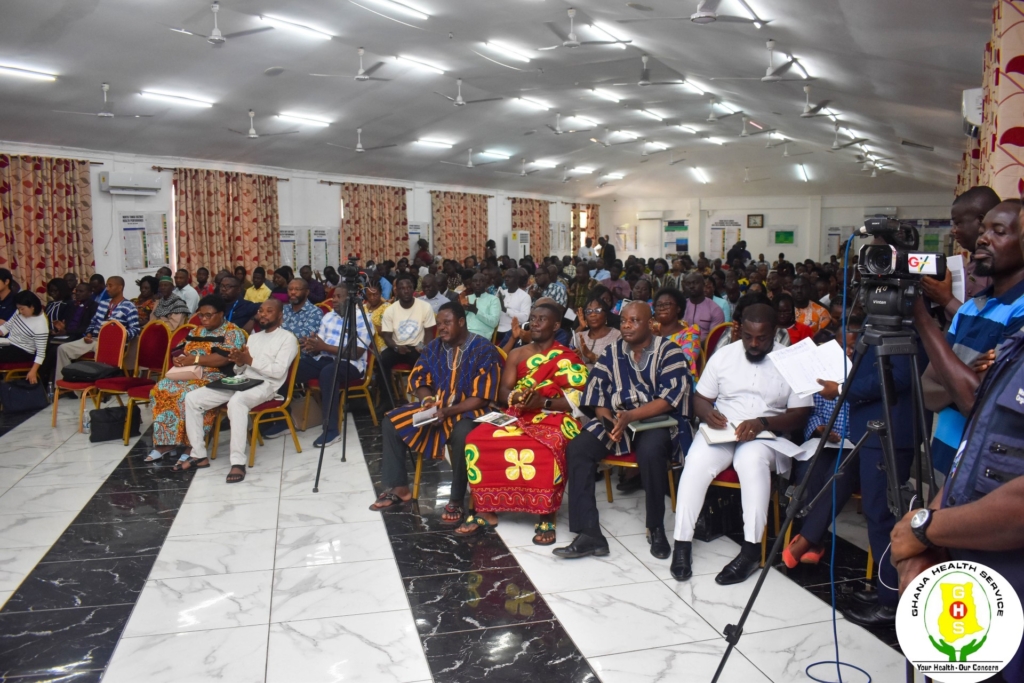
Madam Agborson said this in a solidarity message at the Volta Regional 2023 Annual Performance Review conference under the theme, “Strengthening the Primary Healthcare System for Improved Access to Quality Health Service Delivery: The Role of Networks of Practice (NoPs),” in Ho.
On MNCAH&N indicators, she said available data showed that the country had made strides in reducing, but a lot more needed to be done to reduce disparities across the regions to further reduce maternal mortality; to ensure that skilled attendance at birth and access to essential newborn care services.
Madam Agborson said there was also the need to strengthen routine immunisation programmes, particularly in underserved communities-both rural and urban, and hard-to-reach, to achieve and sustain high coverage rates.
"With regard to adolescent health outcomes which includes teenage pregnancy rates, access to sexual and reproductive health services required continued focus," she added.
She said UNICEF was committed in supporting the Ghana Health Service to provide technical assistance to translate data findings into advocacy messages that drive policy change and resource allocation.
Madam Agborson said they would continue to offer expertise in areas like immunisation, maternal health, newborn care, adolescent health, and nutrition to strengthen service delivery at all levels.
She said they would also continue to contribute to capacity-building programmes for healthcare workers to ensure they possessed the necessary skills to deliver high-quality MNCAH&N services.
“By leveraging data, fostering collaboration, and harnessing UNICEF's support, the Volta Regional Health Directorate can make significant strides, ensuring a healthier and brighter future for the people especially women, newborns, children, and adolescents in the Region, she added.
There were solidarity messages from development partners including the Korea Foundation for International Health (KOFIH) USAID Q4H, WHO, and NGOs in Health.
Latest Stories
-
Ghana explores centre of excellence for hearing, communication and cochlear implant care
10 minutes -
Schizophrenia-related disorders lead mental health cases recorded in Ghana
32 minutes -
Dutch authorities enlist Ghana in hunt for fugitive drug lord Bolle Jos
55 minutes -
Ghana housing finance conference adopts communiqué to improve affordable housing access
5 hours -
Special Initiatives Minister urges Wa Technical Institute to enrol more girls as EU-backed solar training lab opens
6 hours -
In the matter of my first year at the Bar
6 hours -
ActionAid Ghana calls for an end to child marriage, greater investment in girls’ rights
6 hours -
Newsfile to tackle World Cup visa scandal, beach demolitions, education strikes, BRICS bid
6 hours -
UK-Ghana Trade & Investment Summit: Trade Resource Centre to help businesses maximise UK-Ghana trade opportunities
7 hours -
Embassy of Denmark celebrates World Maritime Day
7 hours -
Linking LEAP to productive inclusion could cut extreme poverty by 2030 – UNICEF
8 hours -
Trade Ministry backs use of creative arts to rehabilitate prison inmates
8 hours -
Negotiations with government to continue despite strike suspension – GNAT
8 hours -
‘Ghana cannot afford to waste public resources; every cedi has a job’ – Ato Forson
8 hours -
Ghana expects economic boost as World Assemblies of God Congress brings 10,000 delegates to Accra
8 hours