

Audio By Carbonatix
When I first landed in Ghana, the multiple cultural differences felt overwhelming and trying to understand it all was too much.
The chickens roaming the streets and the hawkers weaving through traffic jams to sell petty items seemed like a world away from my normal life.
After six weeks, these sights became my new normal, and I began to look past the obvious cultural differences to see the deeper, less visible layers of society, which requires a deeper look.
The experience was like cutting the skin off an onion and realizing how many layers are still to go to unravel the hidden mystery.
One of the most heartbreaking realities I noticed was the predicament of the Kayayei girls.
For those unfamiliar, "Kaya" is a Hausa word meaning "load" or "goods", and "yei" is a Ga word for "women".
So, the two combined translate to “load women”.
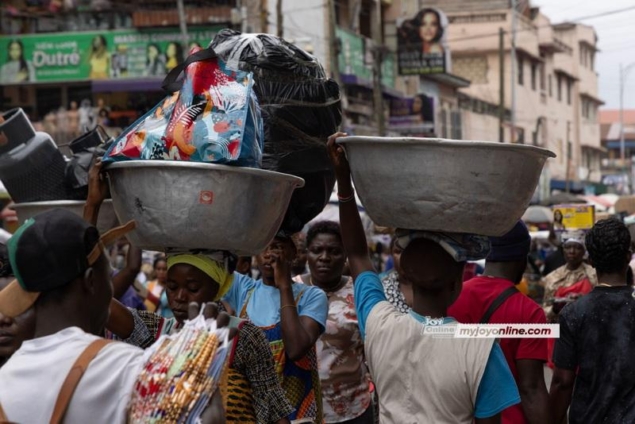
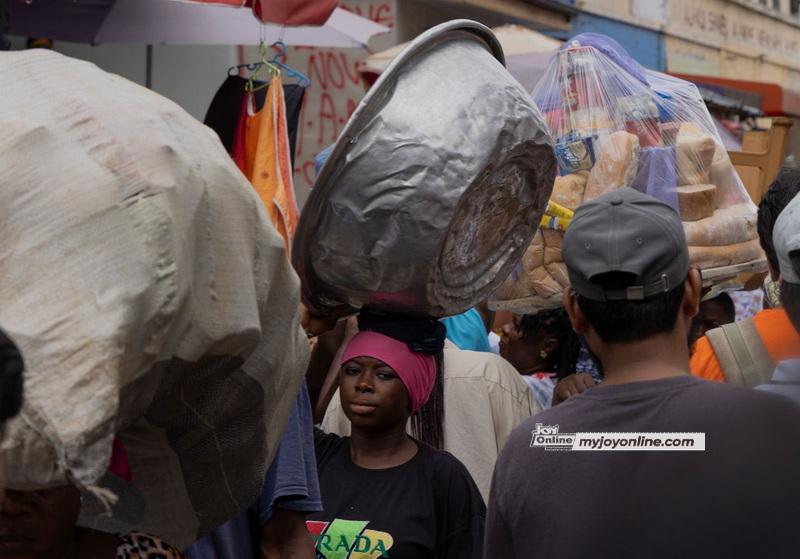
These young women and sometimes children work the markets of Southern Ghana as head porters, carrying the goods of shoppers in large aluminium bowls on their heads for a small fee in the bustling markets of southern Ghana.
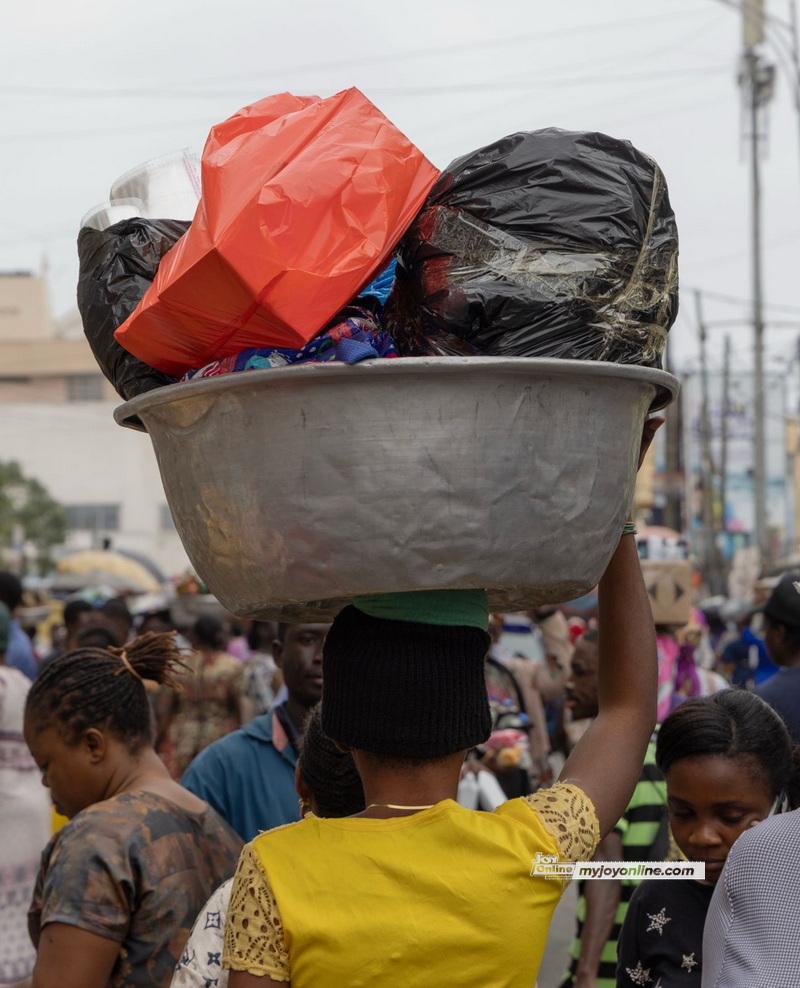
By small, I mean sometimes nothing because these girls do not set the prices.
They often just ask for whatever the person can give, which typically ranges from nothing to 10 cedis (the equivalent of $1), which cannot afford a three-square meal in the capital, Accra.
Make no mistake, the fee may be small, yet the volumes of goods these girls carry are definitely not.
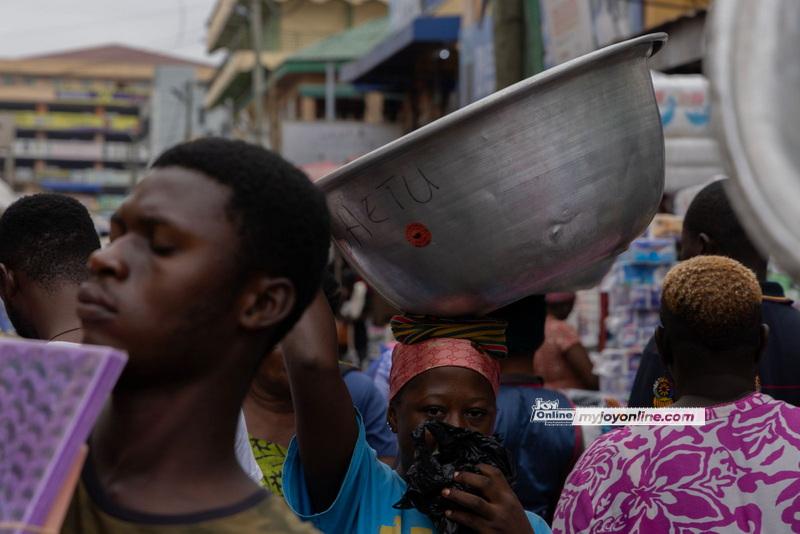
With the girls’ ages ranging from about 10 to 30, they are very often smaller and the loads they transport significantly outstrip their body weights.
In the markets, I was hit by shocking scenes of children hustling, carrying more than I, a six-foot adult, ever could.
They do it without complaint, using only a rolled-up scarf as a makeshift buffer from the immense pressure on their heads and necks.
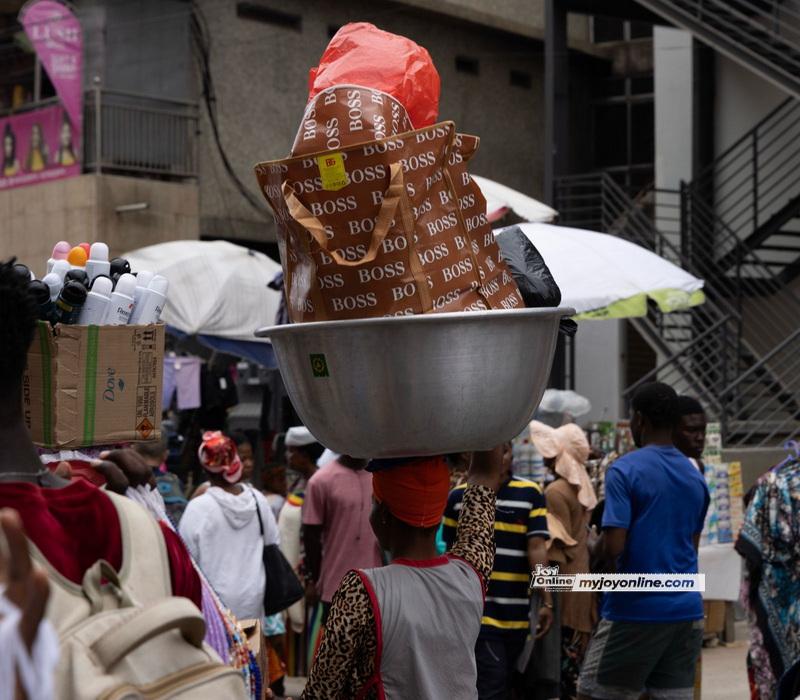
I couldn't help but notice the wear and tear on their aluminium basin, scratched and dented from years of labour.
It made me wonder: if this is the impact on metal, what kind of toll does this job take on their young bodies and souls?
Most Kayayei girls migrate from the poorer northern regions of Ghana to southern cities like Accra and Kumasi.
They are driven south by a desperate search for a better future, whether for themselves or to send money back to their struggling families.
The reasons for their migration are multifaceted, including a lack of educational opportunities, economic hardship, and a lack of job prospects in their home villages.
Many are either sent by their families or run away, full of hope for a future that often remains elusive.
According to the National Development Planning Commission (NDPC) of Ghana, the number of head porters in Accra alone is estimated to be over 100,000, with a significant portion being children.
This grim reality stands in direct violation of Ghana’s own laws.
The Children's Act of 1998 (Act 560) explicitly states that no child under 15 shall be engaged in labour.
Furthermore, it completely bans "child exploitative labour", which is defined as work that deprives a child of their health, education, or development, a clear description of the gruelling work of head porters.
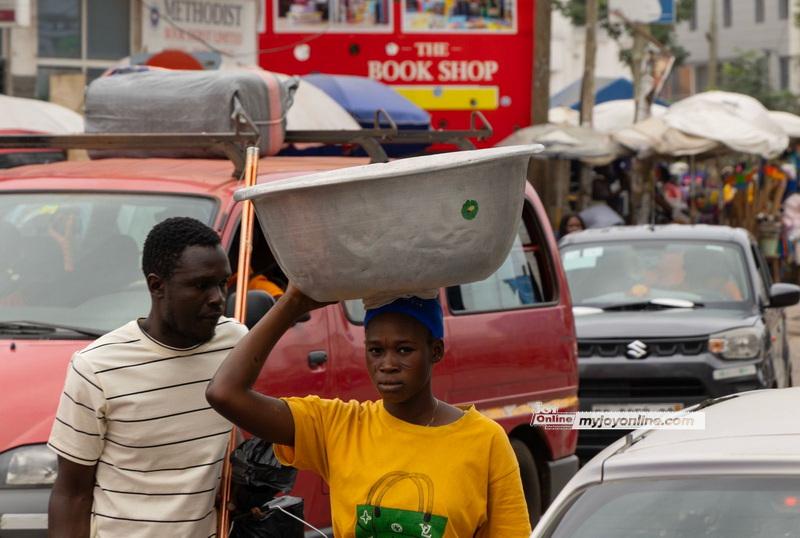
The challenges these girls face go far beyond the physical toll of their work. They are often vulnerable to physical and sexual assault, lack access to proper sanitation and shelter, and live on the fringes of society.
The voices of the Kayayei
I visited Mallam Atta Market, just a short walk of about 10 minutes from my workplace at Joy FM, Kokomlemle, to hear their stories firsthand.
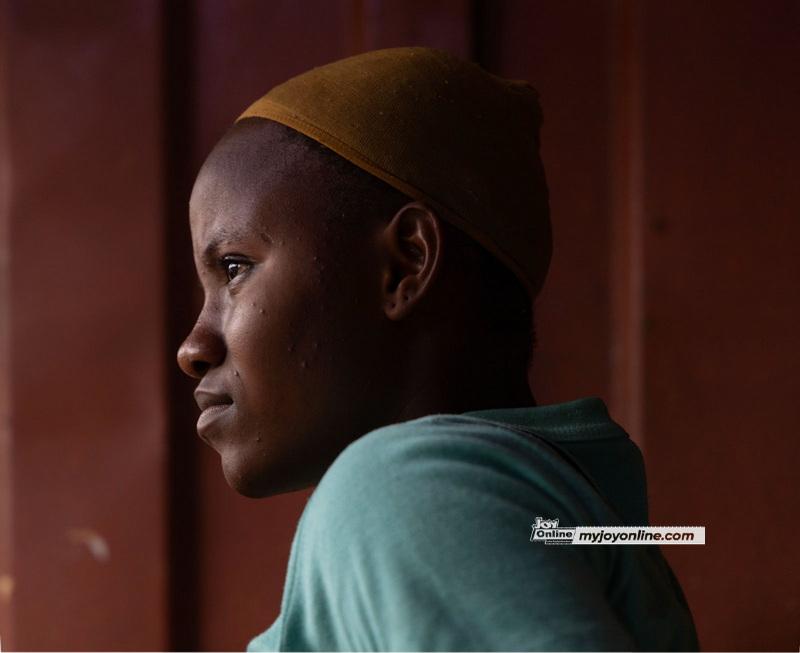
The women I met were not just head porters; they were mothers whose children had only ever known this life and dreamers with hopes for a life beyond the market.
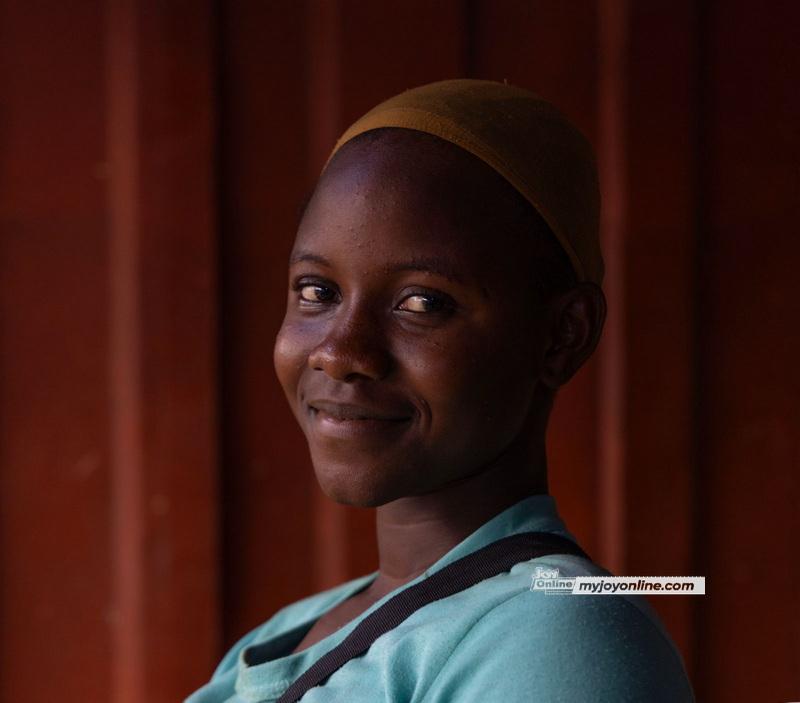
Kande, a head porter for five years, shared a painful truth: "It’s not the labor, it’s the pain we carry from the way people treat us. Discrimination, rejection – sometimes they even spit on us, as if we’re invisible, as if we don’t deserve respect. We walk through this market every day, but we don’t feel safe. The stress eats away at us quietly, but it’s there, deep inside, breaking us bit by bit.”
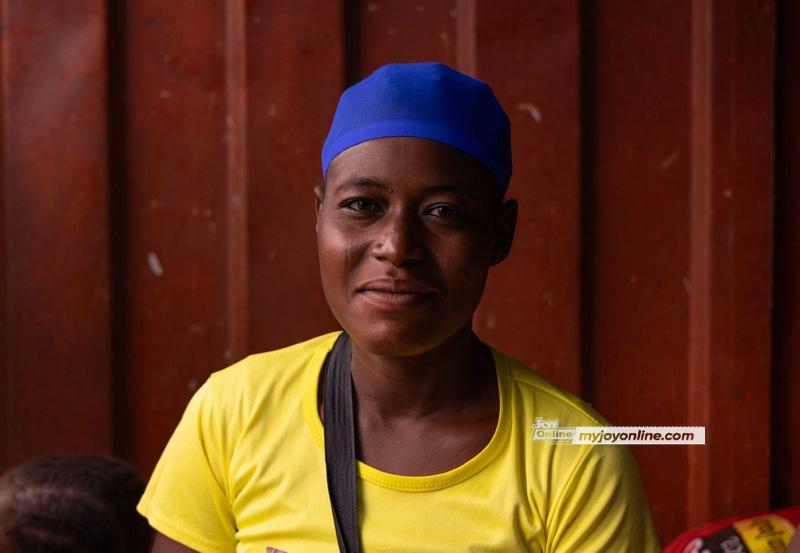
Another head porter, Barika, also with five years of experience, added, “The bullying never stops. We didn’t come here because we wanted to. We had no choice. Back home in the North, there’s no work, no hope. We left everything behind, chasing a chance to survive. But here, we have no one to turn to. We live from the little we earn each day, struggling without shelter or help. We need jobs – anything that can ease this heavy pain we carry.”
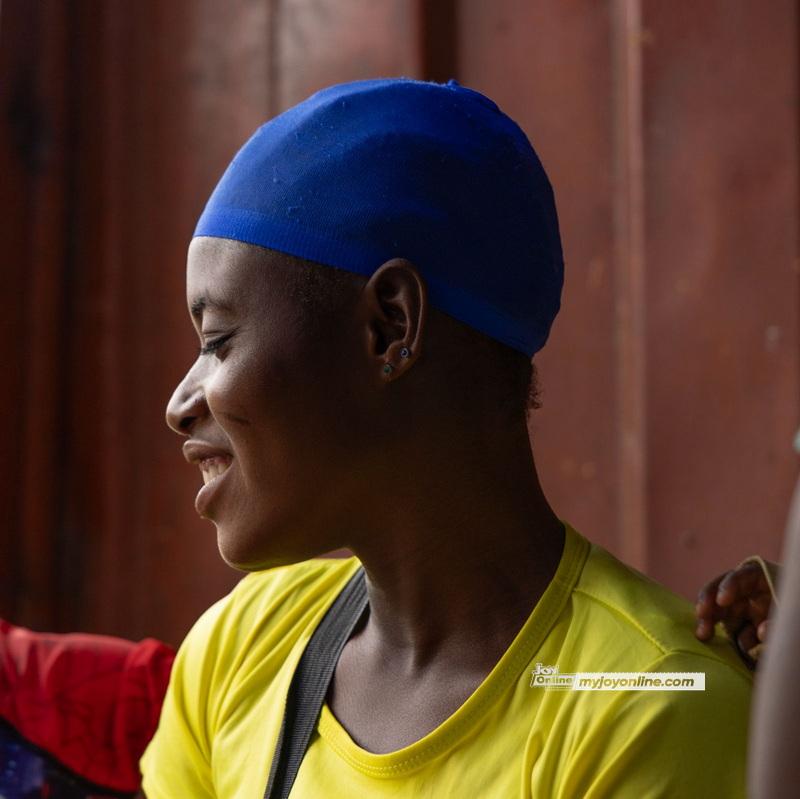
Despite the immense hardship, their dreams remain.
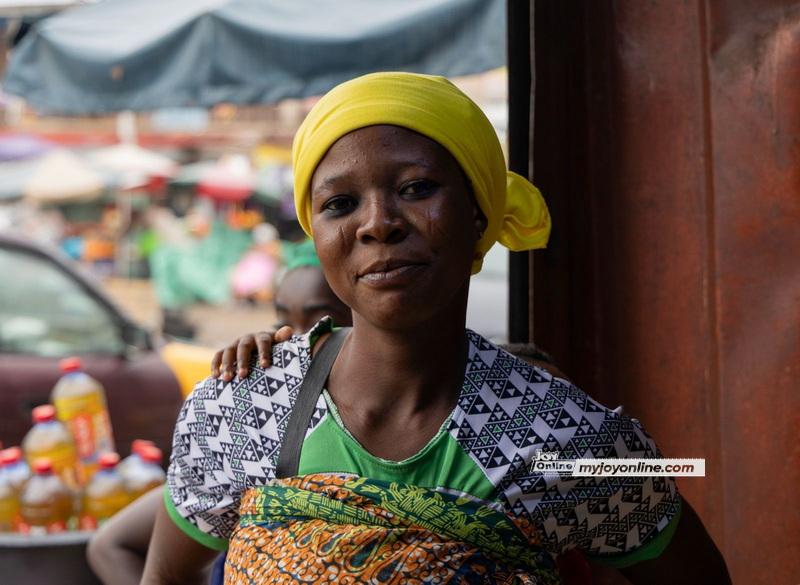
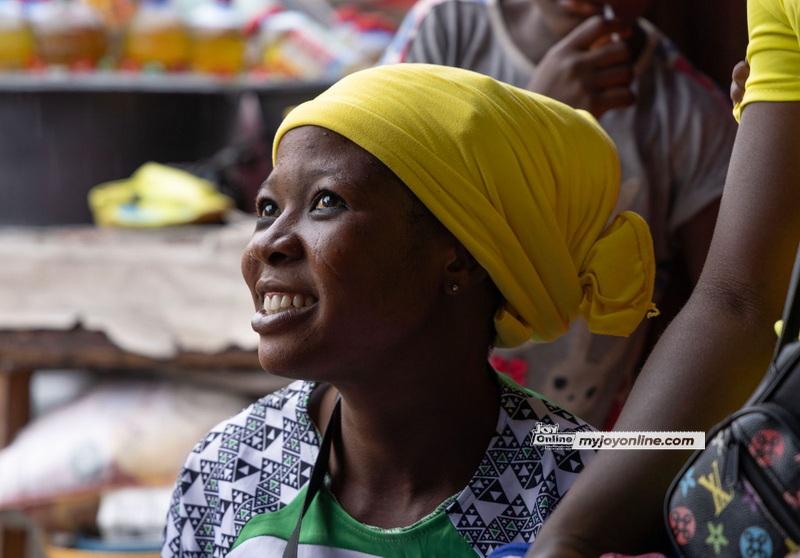
Hubaida, with six years of experience, told me her deepest wish is "for my child to go to school. That is my deepest hope, for her to have a future I never had. Someday, I dream of returning home to help the young girls in my village build their own futures. I want to be a light for them, a philanthropist who brings hope where there was none.”
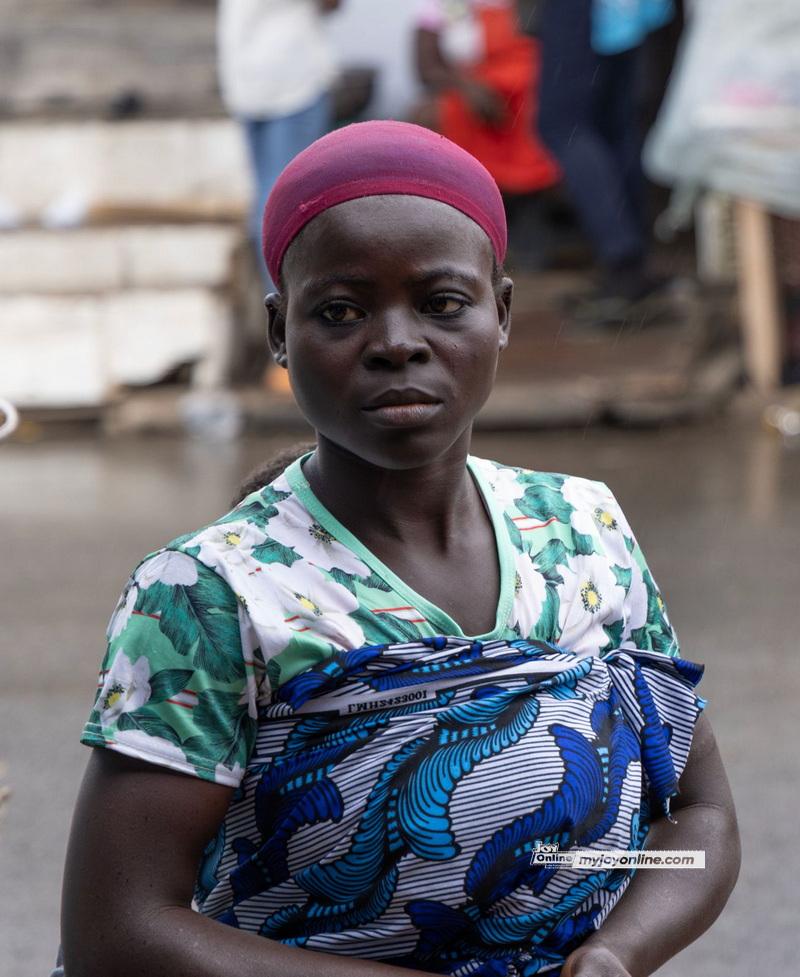
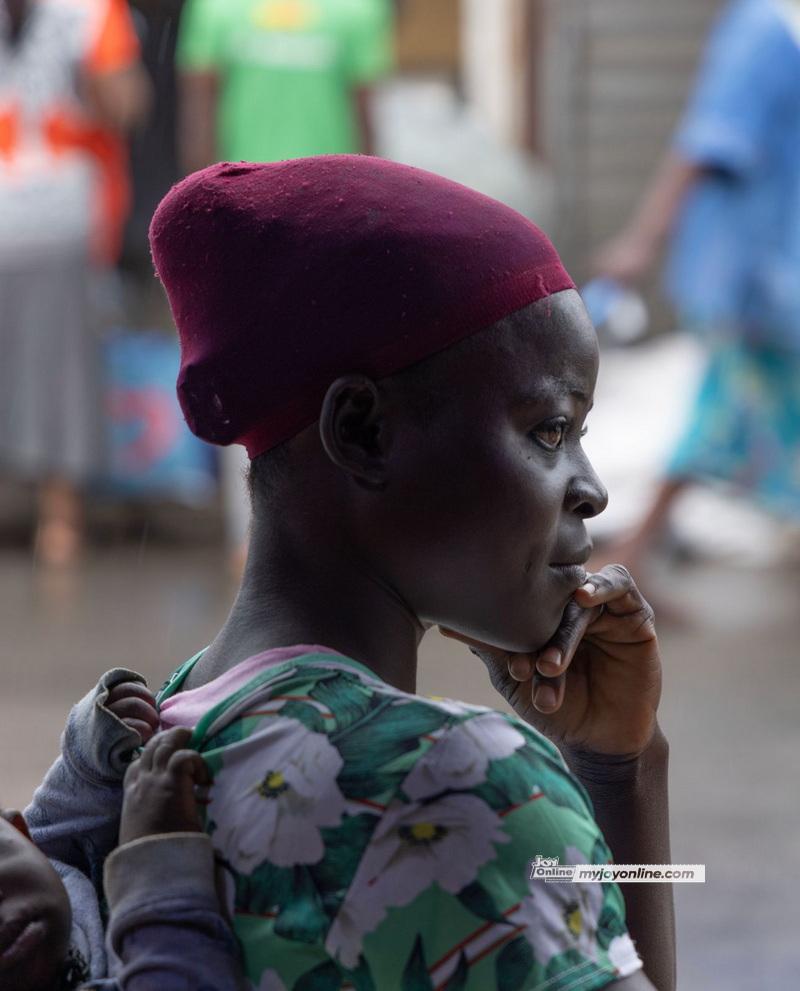
Hamida, a head porter for seven years, shared her regret, explaining, “if I could go back to school, I would be a different woman. This life breaks me. I wanted to be a cosmetic vendor; one of my friends dreamed of being a makeup artist. But instead, we are treated like we don’t matter, like we have no blood running through our veins. Sometimes people give us pennies for the goods we carry, barely enough to survive. It’s cruel, but still, we carry on, because what else can we do?”
Final thoughts
The collective plea of these women to the government is clear: “Please, hear us. Create jobs in the North. Stop forcing your young people to risk everything by rushing to cities like Accra with no future. We need hope, shelter, and opportunity where we come from so that others don’t have to endure what we do. Without this, dreams die, families break, and the cycle of pain never ends.”
Their plea is a powerful call to action, and addressing the issues facing the Kayayei will require a multi-faceted approach.
Here are some possible ways to address the challenge:
- Implementation of targeted economic development in northern Ghana: The government and other stakeholders should consider investing in job creation and sustainable economic projects in the northern regions to reduce the pressure on young people to migrate south.
- Enforcement of child labour laws: The Ministry of Gender, Children and Social Protection and law enforcement agencies must strictly enforce the Children's Act to protect minors from exploitative labor.
- Provision of safe shelter and social Support: Non-governmental organizations (NGOs) and state-led programs should establish safe shelters and offer vocational training, healthcare, and education to help adult Kayayei transition to more dignified work.
- Public Awareness: Campaigns are needed to change public perception and reduce the discrimination and abuse that Kayayei face daily.
The strength of these women is awe-inspiring, but they should not have to be this strong.
The story of the Kayayei is a challenge that requires more than passive acceptance; it requires a collective commitment to meet their needs and end a cycle of exploitation.
The writer is a graduate of The University of Oregon, US, and the article represents personal views and reflections during a visit to Ghana and internship at Joy FM.
Latest Stories
-
US, Iran fail to reach peace agreement after marathon talks in Pakistan
10 minutes -
ECG kicks off Phase Two of transformer upgrades at Lashibi; brief outages expected
44 minutes -
Port crises loom as 11,000 drivers threaten four-day strike
2 hours -
A source of excellence across generations – Vice President Opoku-Agyemang lauds Mfantsipim
2 hours -
(Photos) Mfantsipim School launches historic 150th anniversary
3 hours -
Knights and Ladies of Marshall group backs Catholic Bishops’ stance on anti-LGBTQ+
4 hours -
Bright Simons writes: All the Filla in the Ibrahim Mahama/E&P – Gold Fields Saga
4 hours -
Monetise Idiocy In Ghana
4 hours -
The Ghanaian prophet and the mysterious death of his scottish wife Charmain Speirs
5 hours -
Nearly 400 sentenced in Nigeria for links to militant Islamists
5 hours -
Ghana’s recovery supported by gold strength despite global oil price pressures – Standard Bank Research
6 hours -
Methodist Church hails Mfantsipim@150; calls for “fresh consecration” to excellence
6 hours -
‘Excellence is our inheritance’ – Nana Sam Brew-Butler hails Mfantsipim’s 150-year reign in leadership
6 hours -
Kwaku Azar writes: A-G vs OSP
6 hours -
Mfantsipim–Adisadel rivalry built excellence, not division – Sam Jonah
6 hours