

Audio By Carbonatix
As Ghana works to generate its first nuclear power plant by 2030, the Nuclear Regulatory Authority says it is ready to support nuclear energy operators to set up reactors to complement the country’s energy grid.
Ghana currently generates its electricity through fossil fuels and hydro, which reportedly does not meet the energy demand of the country in industrialization.
As the government sets out to industrialize the country through its 24-hour economy, Director of Nuclear Installations at the NRA, Dr. Emmanuel Ampomah-Amoako, says nuclear power is a better alternative.
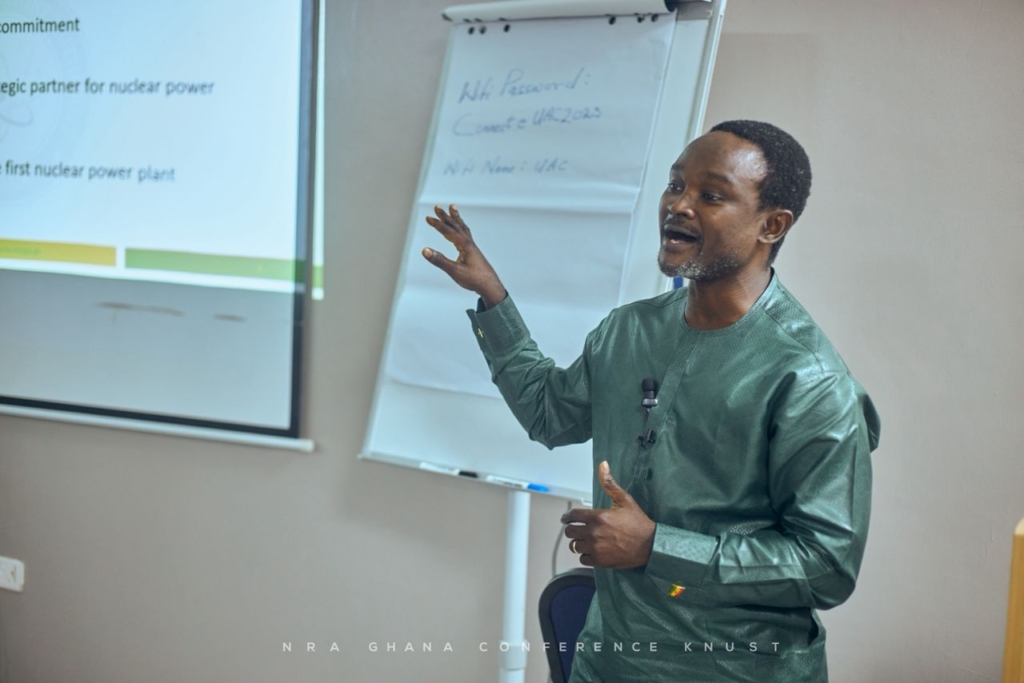
“It is Nuclear that can provide us with a very good opportunity for us to put reliable electricity on the grid that would encourage investors to put their resources into the economy. We look forward to working with operators to ensure that the country is well electrified. Energy Commission is also ready to regulate the electricity that goes on the grid,” he noted.
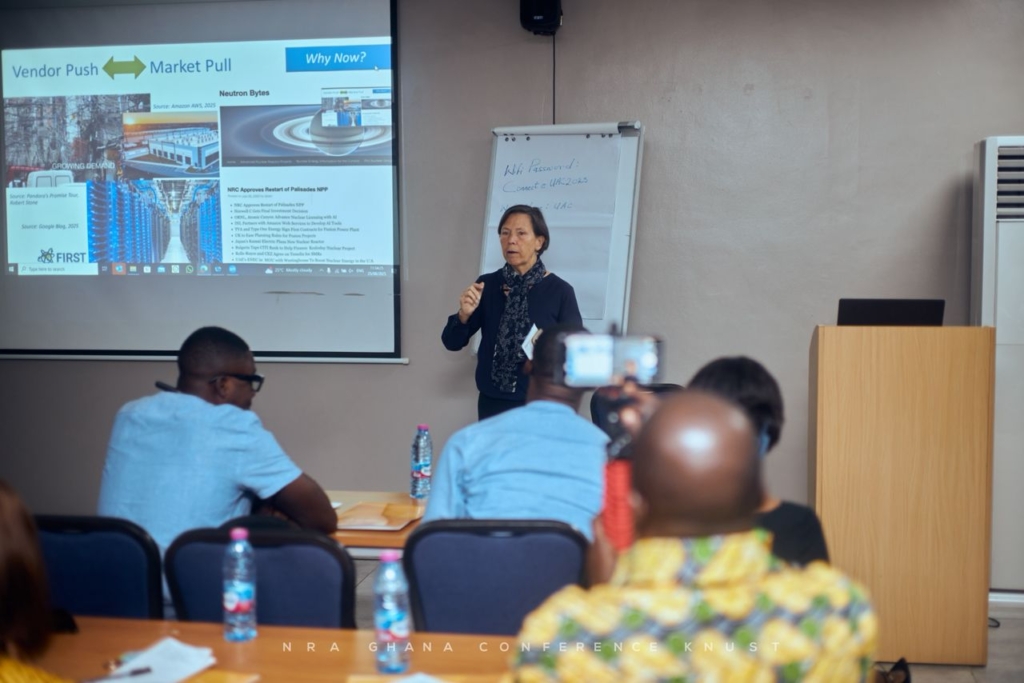
Nuclear Communication Expert at the International Atomic Energy Agency, Dr. Kelle Barfield, highlights some benefits of harnessing nuclear power.
“As Ghana considers energy policy for decades to come up to 100 years, it’s essential that the country leaders look at all forms of generation. Some forms of energy like hydropower, are not an option. Wind and solar are limited in their 24/7 capacity. The risk of nuclear are balanced by the benefits as seen almost seven decades,” she said.
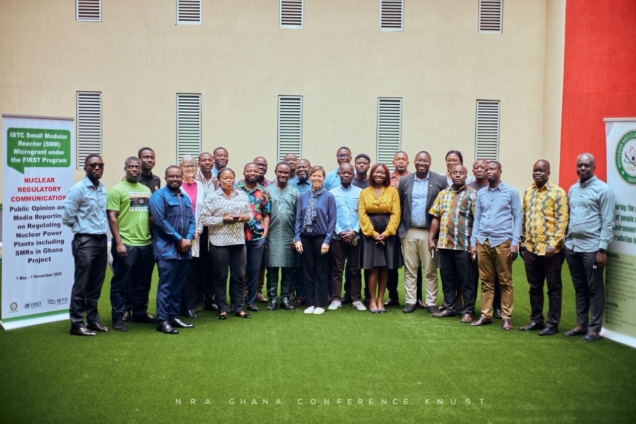
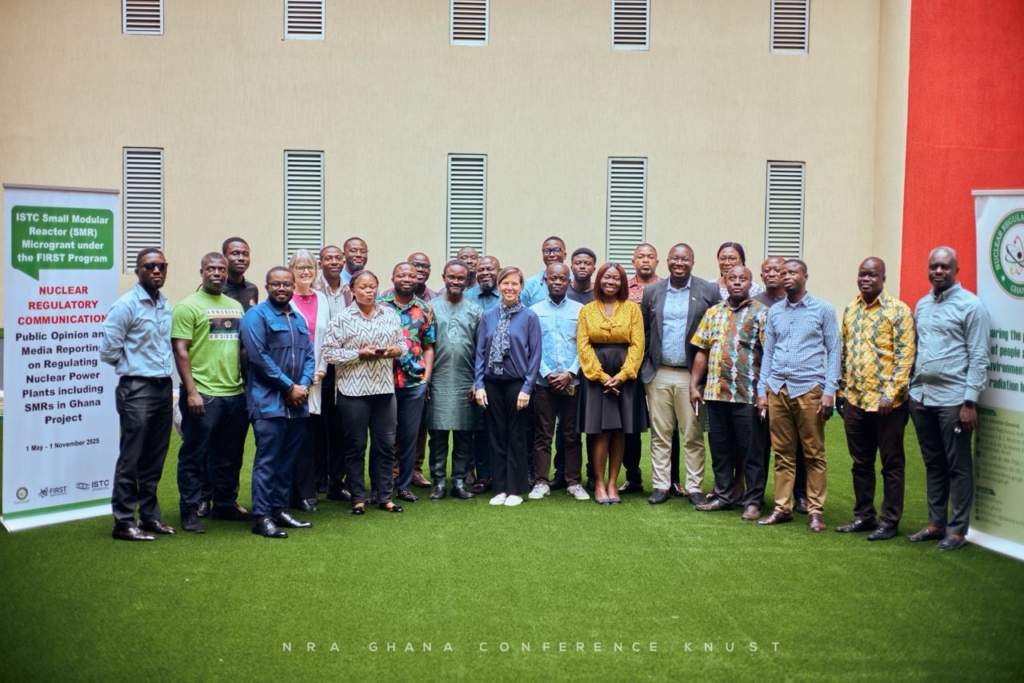
They spoke at a media training on Nuclear Regulatory Communications, Public Opinion and Media Reporting on Regulating Nuclear Power Plants, including Small Modular Reactors in Ghana.
The event, held in-person and virtually, brought together participating journalists from the Ghana middle belt and northern regions to appreciate the mandates of the authority.
They were also exposed to practical training in investigating and reporting on issues relating to the nuclear energy industry, including the management of radioactive waste.
Director of the Radiological & Non-Ionizing Installation at the NRA, Prof. Augustine Faanu, highlighted the critical role of the media in shaping discourse on the nuclear sector.
“Accurate, timely and responsible communication is critical, particularly in the nuclear sector where public trust and understanding are essential. It is important that the regulator clarifies misconceptions and buildsa stronger partnership with the media,” he noted.
Latest Stories
-
CDABI flags compliance concerns as blockchain.com launches in Ghana
1 hour -
Fruit juice and more could be next under Ghana’s transit crackdown – FABAG
1 hour -
Absa Bank Ghana provides specialised asset financing to support largest indigenous mining contractor
2 hours -
Gold edges higher as inflation jitters ease; key US data in focus
2 hours -
Katy Perry loses trademark case against Australian designer Katie Perry
2 hours -
Bridgerton star on dealing with One Piece casting backlash
2 hours -
Woman charged with attempted murder after shooting at Rihanna’s home
3 hours -
Ho Nurses Training College mounts pressure on UHAS to release its facilities
3 hours -
140 suspects, 27 dockets – Kwakye Ofosu says ORAL is already delivering results
3 hours -
Cabinet approves special tribunals to tackle corruption and illicit wealth cases
3 hours -
Ghana Immigration Service rescues 73 from abuse in an anti-fraud operation
4 hours -
EOCO freezes ¢1.5bn in assets linked to corruption investigations – Kwakye Ofosu
4 hours -
Wildlife to replace historical characters on British banknotes
4 hours -
China and North Korea to resume passenger train service after 6-year halt
4 hours -
Meghan to headline ‘girls’ weekend’ in Australia for 300 women
5 hours