

Audio By Carbonatix
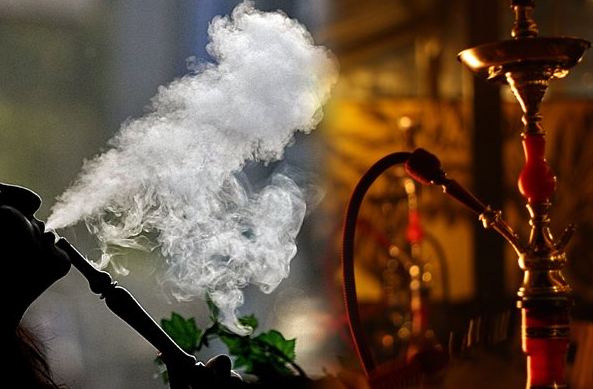
The Ghana Health Service (GHS) says it is concerned about the acceptance and widespread smoking of shisha in the country.
The Service says it has observed an increase in smoking of tobacco, especially Shisha, which appears to be widely accepted in the Ghanaian society.
There is a misconception that shishas are not as harmful as cigarettes, a claim the British Heart Foundation has discredited.
According to the Foundation, an hour-long shisha session can be the equivalent of smoking more than 100 cigarette sticks.
This was further established in the World Health Organisation (WHO)’s 2015 advisory note.
“All the studies to date indicate that during a typical waterpipe use session, the user will draw large doses of toxicants (ranging from less than one to tens of cigarette equivalents).
“These toxicants have been linked to addiction, heart and lung diseases, and cancer in cigarette smokers and can result in similar outcomes in waterpipe users if these toxicants are absorbed in the body in appreciable amounts,” the report stated.
Traditionally, shisha tobacco contains cigarette tobacco; so, like cigarettes, it contains nicotine, tar, carbon monoxide and heavy metals such as arsenic and lead.
The Ghana Health Service is worried that consumption of the substance is adding to the many factors that predisposes Ghanaians to the deadly tuberculosis disease.
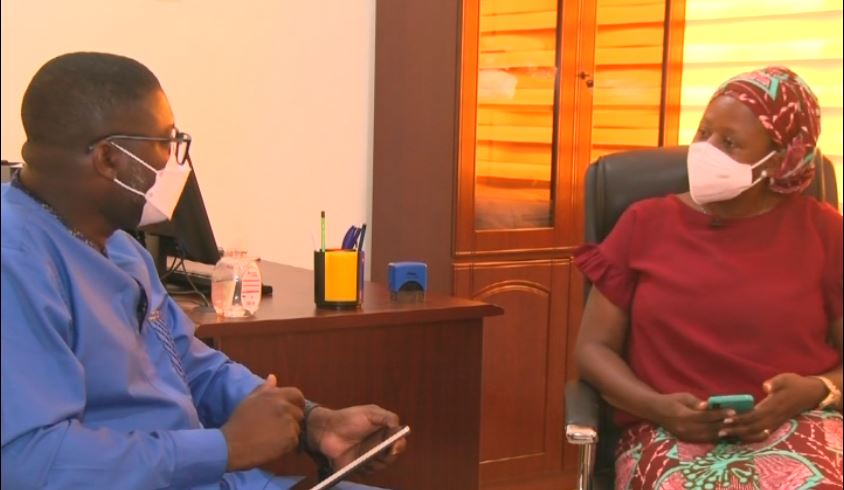
In an interview with JoyNews, the Greater Accra Regional TB Coordinator for the Service, Dr Farida Abdulai, said a study must be conducted to understand the extent of damage Shisha causes to persons who patronise it.
“For now, not much research has been done into Shisha and since we have a very good academic community in Ghana, we need them to conduct research into it, and letting us know the risks of smoking shisha are.
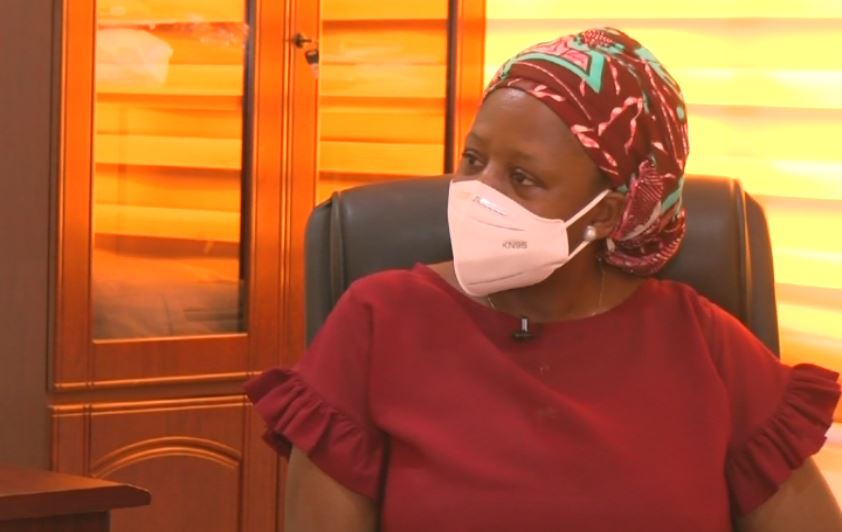
“Young people are very adventurous, they want to try everything. I’ll take this opportunity to tell our young people that it’s not everything that you should try. Let’s exercise some discretion when new thing come,” she advised.
The Food and Drugs Authority (FDA) has declared Shisha illegal since operators of pubs, night clubs and drinking bars have not sought authorisation for its use.
In 2018, the FDA shut down some shisha joints in Accra.
Shisha is banned in Cameroun, Kenya, Gambia, Tanzania and Rwanda but not much regulation is available in Ghana.
Ghana’s Public Health Act prohibits smoking in “an enclosed or indoor area of a work place, or any other public place except in a designated area.”
Under Section 58 (2), “a work place and public place” includes “sports stadia and other sports arenas, whether fully enclosed or not.”
Therefore, smoking is restricted in outdoor sports stadia and arenas.
Latest Stories
-
PKO trio eye victories at Odwira Festival
2 hours -
346 Ghana Navy recruits pass out after 26 weeks of intensive training
2 hours -
Newsfile to discuss EOCO-MP arrest, drug trafficking, speech arrests and $235m water debt
3 hours -
JoyNews gets results as listeners raise GH¢40,000 to help 17-year-old student with cerebral palsy attend SHS
3 hours -
Vice President calls for stronger local pharmaceutical production to reduce medicine imports
4 hours -
The brewing tension at KNUST; Beware the Ides of October….
4 hours -
Health Ministry moves to integrate traditional medicine into mainstream healthcare
4 hours -
550 pupils in Kintampo South get educational lifeline as ‘Seeds of Hope’ reaches farming communities
5 hours -
Opoku Mensah urges Christian Council, House of Chiefs to speak up on democratic freedoms
5 hours -
Teacher unions’ strike: Minority demands immediate payment of teacher arrears, 20% deprived area allowance
5 hours -
The Accra-Kumasi Expressway: Building it right
5 hours -
Beyond gold exports: Building value and economic resilience from Ghana’s gold
5 hours -
2027 AFCONQ: Ghana under pressure as Gambia beat Somalia 2-1
6 hours -
Eastern NPP Women’s Organiser calls on AG, Police to secure bail for Salomey Baffoe
6 hours -
Poverty, illiteracy driving acceptance of vote-buying among women – Damongo Queen Mother
6 hours